In 2026’s hyper-connected digital economy, localization QA tools are no longer optional—they’re mission-critical for brands expanding globally. US consumers and international audiences alike expect content that feels truly native, culturally accurate, and technically flawless.
Businesses that rely on basic translation often face costly errors, poor user experiences, and lost conversions. Modern localization demands structured QA workflows, terminology control, UI validation, and cultural precision. This is where advanced localization QA tools—combined with experienced partners like VerboLabs—deliver measurable global growth.
Importance of Localization and Why it is Adapted
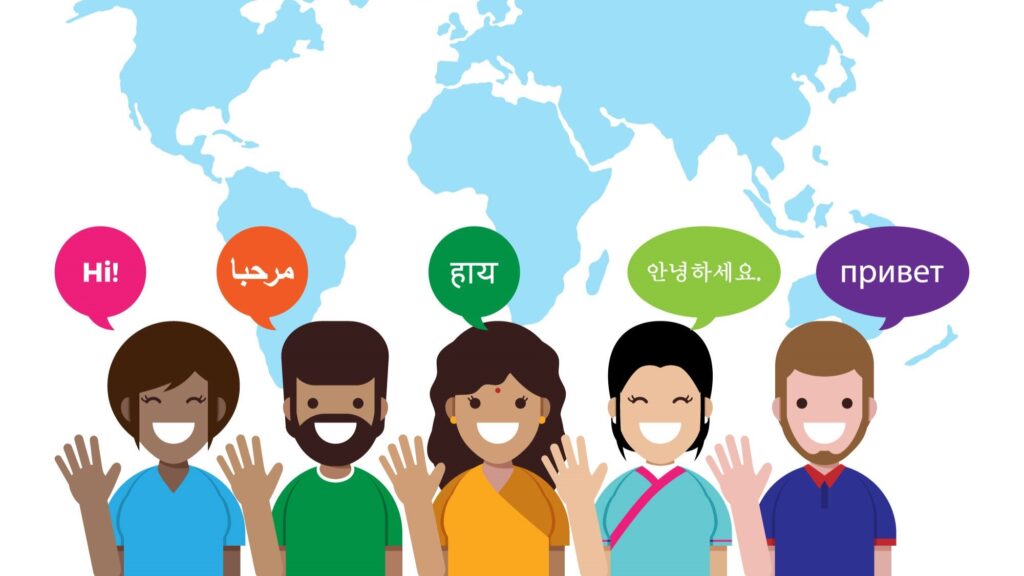
Localization is far more than simply translating words from one language to another—it’s about adapting the design, format, tone, visuals, and cultural references so that the final content feels as though it was created specifically for the target audience. It considers factors like date formats, currency symbols, colors, idioms, humor, and even imagery to ensure a seamless and culturally relevant user experience.
For instance, leading US streaming platforms like Netflix don’t just translate scripts; it invests heavily in adapting subtitles, dubbing, character names, and promotional materials to resonate with each regional audience. This attention to detail has played a major role in its global subscriber growth. Similarly, Coca-Cola tailors slogans, product names, ad campaigns, and packaging to reflect local traditions and emotional cues, making the brand universally familiar yet locally authentic.
Without proper localization, even well-established US and global brands risk miscommunication, cultural insensitivity, lower engagement, and lost sales opportunities. In today’s global economy, localization is not a “nice-to-have”—it’s a competitive necessity for market success.
Where Localization Services Matter Most
- E-commerce Platforms – Product descriptions, reviews, and payment instructions.
- SaaS & Mobile Apps – User interface (UI), help sections, and onboarding materials.
- Gaming Industry – In-game dialogues, tutorials, and support content.
- Marketing Campaigns – Ads, landing pages, and email campaigns.
- Legal & Technical Documents – Manuals, compliance documents, and contracts.
Explore VerboLabs’ localization services
VerboLabs’ Localization Services for Different Businesses and Industries
VerboLabs caters to:
- Global Brands Entering New Markets – When companies expand internationally, localization ensures that branding, messaging, and customer experiences align with local expectations. This helps avoid cultural missteps and builds trust in new markets.
- Tech and SaaS Companies – Multilingual software interfaces, help documentation, and onboarding workflows are critical for user adoption in different regions. A localized UI improves usability and customer satisfaction, leading to higher retention.
- E-commerce Retailers – From product descriptions and sizing charts to payment methods and currency displays, localization is vital to converting international shoppers. It also boosts SEO by using region-specific keywords.
- Media & Entertainment Platforms – Streaming services, publishers, and news outlets must adapt subtitles, dubbing, visuals, and even storylines to match local sensibilities while maintaining brand integrity.
- Gaming Companies – In-game text, dialogue, cultural references, and even character designs need localization to create immersive experiences that resonate with players worldwide.
- Tourism & Hospitality – Hotels, airlines, and travel platforms rely on localization to attract and engage travelers in their native languages, building trust and encouraging bookings.
Top 8 Localization Tools for Quality Assurance
1. CAT (Computer-Assisted Translation) Software
CAT tools store translations in a database for faster, more consistent work. They improve efficiency over time by learning from previous projects.
Examples: Fluency Now Professional, Phrase.
2. TMS (Translation Management System)
TMS platforms organize localization workflows, track progress, and seamlessly manage multiple translators and files.
Examples: Lokalise, Smartcat.
3. Term Base Software
Ensures consistent terminology by storing approved terms for brand-specific vocabulary.
Examples: InterpretBank, SDL MultiTerm.
4. Quality Assurance (QA) Tools
Check for inconsistencies, formatting issues, and terminology errors before final delivery.
Examples: Verifika, XBench, MemoQ.
5. Bug Tracking Tools
Report and track errors during localization projects to ensure fixes before release.
Examples: Jira, Bugzilla, Asana.
6. Screenshot Capture Tools
Provide visual evidence of UI errors and layout issues during localization QA.
7. File Sharing & Version Control Tools
Securely share files and track changes to maintain content integrity.
Examples: WPML, TranslatePress.
8. Desktop Publishing (DTP) Software
Ensures the final localized product looks visually perfect.
Examples: Adobe InDesign, CorelDRAW, FrameMaker.
How Localization QA Tools Improve Business Impact
Localization QA tools:
- Reduce errors by automatically detecting inconsistencies.
- Save time by streamlining review processes.
- Enhance customer trust by delivering flawless localized content.
- Improve ROI by ensuring product readiness for global markets.
Quick answer: Localization QA tools automate error detection, enforce terminology consistency, and validate UI/UX across languages—helping teams ship market-ready content faster.
Why Choose VerboLabs for Localization Quality Assurance
- Expert linguists and QA specialists to ensure cultural and technical accuracy.
- Advanced tool integration for faster turnaround and consistent results.
- Industry-specific experience in e-commerce, SaaS, gaming, and media.
- End-to-end solutions from translation to QA to final deployment.
Final Thoughts
In 2026, localization quality assurance is a growth driver—not just a technical checkpoint. Companies that invest in the right localization QA tools and workflows gain faster global launches, stronger brand credibility, and better customer experiences across markets.
As AI-assisted translation scales and multilingual demand rise in the US and worldwide, structured QA processes will become even more critical. Businesses that prioritize accuracy, cultural relevance, and automation today will be better positioned for tomorrow’s global competition.
With advanced technology, experienced linguists, and proven QA frameworks, VerboLabs helps organizations deliver localization that performs—not just translates.

Get started today and unlock global growth with VerboLabs’ localization services.
FAQs
Localization QA tools automatically check translated content for linguistic errors, formatting issues, and UI problems before release. They are important because they help businesses deliver culturally accurate, high-quality experiences that build trust and improve conversions in global markets.
These tools compare translations against approved terminology, detect inconsistencies, and flag missing or corrupted text. By combining automation with human review, companies can significantly reduce costly mistakes and ensure content reads naturally for the target audience.
Localization QA should be used before any multilingual product, website, or app goes live. It’s especially critical for e-commerce, SaaS platforms, mobile apps, and marketing campaigns where even small errors can impact user experience and revenue.
Translation focuses on converting text between languages, while localization QA verifies that the final content works correctly in the target market. QA checks formatting, cultural relevance, UI layout, and terminology consistency to ensure the experience feels fully native.
Yes. Even small US businesses expanding internationally benefit from QA tools because they prevent brand-damaging errors and reduce manual review time. Modern cloud-based solutions make localization quality assurance accessible and cost-effective for growing companies.
Localization QA tools act as a safety layer for AI translations by catching context errors, terminology mismatches, and formatting problems. This human-plus-automation approach allows companies to scale multilingual content quickly without sacrificing quality.
Industries with high global reach—such as e-commerce, SaaS, gaming, media, and travel—benefit the most. However, any US business entering international markets can improve customer experience, compliance, and brand trust through structured localization QA.