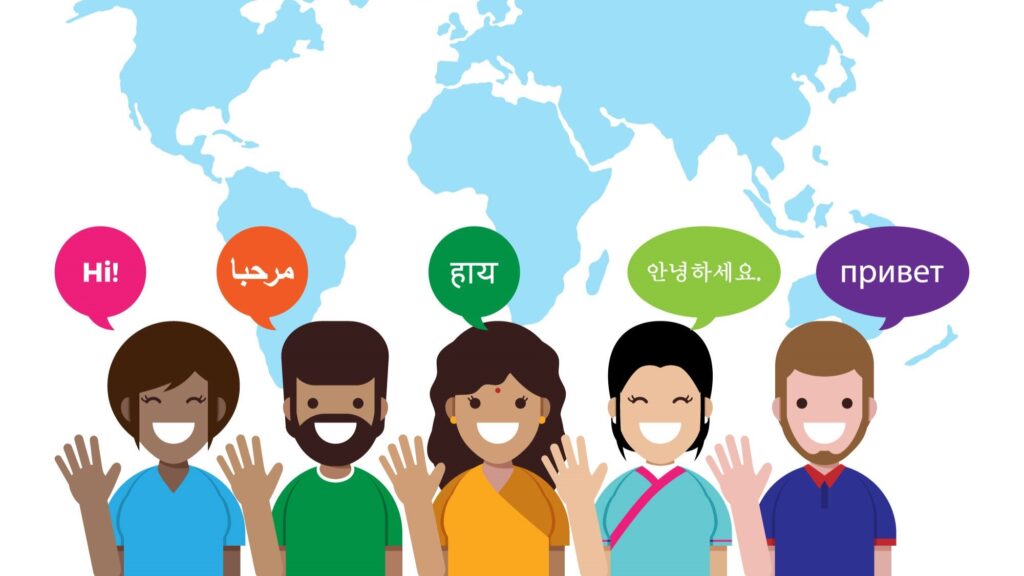

The future of translation technology in 2026 is driven by a powerful blend of artificial intelligence and human expertise. As global businesses expand across borders, demand for fast, accurate, and culturally aligned translations is rising across industries like e-commerce, healthcare, legal, education, and entertainment.
AI-powered translation tools, including Neural Machine Translation (NMT), now deliver faster results and improved contextual understanding. Technologies such as voice and video localization, cloud-based collaboration platforms, blockchain-backed security, and real-time AR translation are reshaping how global communication happens.
However, AI alone is not enough. Human translators remain essential for accuracy, cultural adaptation, tone alignment, and handling sensitive or regulated content. Leading translation companies like VerboLabs use a hybrid approach—combining AI speed with certified human linguists—to deliver scalable, high-quality translation solutions for global growth.
Why Translation is Key for Business Growth
According to CSA Research, 76% of online users prefer purchasing in their native language, and 40% refuse to buy from websites in foreign languages. These figures alone highlight why businesses must invest in language translation companies to build trust and drive conversions.
Industries that rely heavily on translation include:
- E-commerce: Product listings, checkout pages, and customer support.
- Healthcare: Patient records, pharmaceutical documentation, and medical research.
- Finance & Legal: Compliance documents, contracts, and cross-border filings.
- Education & E-learning: Localizing courses and training materials for global audiences.
In the digital age, what are service industries if not global? Communication is at the heart of customer experience, and language is the bridge.
How Translation Services Work (and How to Choose Them)
Translation service companies offer a wide spectrum of solutions:
- Human Translation: Native translators ensure cultural relevance.
- AI-Powered Translation: Fast, scalable, and budget-friendly translations.
- Hybrid Models: Combining machine speed with human accuracy.
To choose the best translation services, consider:
- Accuracy and Quality Assurance
- Industry-Specific Expertise
- Turnaround Time & Scalability
- Data Confidentiality
At VerboLabs, projects begin with a thorough evaluation, followed by precise translator assignment, multi-layered quality checks, and fast, secure delivery.
Trends to Watch in Translation Technology (2026 Edition)

Explore key trends shaping the Future of Translation Technology in 2026—AI, neural machine translation, and human-AI collaboration driving speed, accuracy, and global scalability. Here are a few trends to watch in translation technology.
1. Neural Machine Translation (NMT) Gets Smarter
By 2026, over 90% of online translations will leverage Neural Machine Translation (Common Sense Advisory). NMT is revolutionizing speed and context sensitivity, especially when fine-tuned with human feedback loops. Google’s NMT already covers 100+ languages, but VerboLabs enhances it with native human proofreading for 100% accuracy.
2. AI and Contextual Language Learning
AI-powered translators now learn tone, sentiment, and brand voice. VerboLabs trains AI models on client-specific datasets to generate hyper-personalized translations, a game-changer for marketing and customer experience.
3. Blockchain for Translation Integrity
Blockchain ensures traceability, payment transparency, and anti-plagiarism protocols. It’s increasingly used for sensitive legal and research documents to maintain translation integrity.
4. Voice and Video Localization
With 82% of all consumer traffic being video (Cisco), translating subtitles, dubbing, and voiceovers in real-time is a growing demand. VerboLabs offers multimedia translation with synced voice, tone, and cultural nuance.
5. Cloud-Based Collaboration
Cloud translation platforms allow multiple linguists to work on a project in real time. Features like translation memory and dynamic glossaries ensure consistency and faster delivery.
6. Augmented Reality (AR) & Live Translation
AR-driven tools and smart glasses now provide live translation in travel, tourism, and fieldwork. This tech trend is gaining traction, particularly in service industries like hospitality and logistics.
Why VerboLabs Is a Leading Translation Company

VerboLabs stands out among global translator companies for several reasons:
- Human Expertise: We employ certified native translators across 120+ languages.
- AI + Human Workflow: Combining machine efficiency with expert proofreading.
- Industry Focus: Specializing in healthcare, tech, legal, education, and e-commerce.
- Scalable Operations: From small documents to enterprise-level localization.
- Fast Turnaround: Express delivery options without compromising accuracy.
- Global Recognition: Trusted by over 2,500 clients in 30+ countries.
Explore our full suite of translation services to see how we can support your global ambitions.
Real-World Use Cases
- Tech Startup: A SaaS firm scaled to Japan, Germany, and Brazil in under 3 months using VerboLabs’ hybrid translation model.
- Healthcare Provider: Localized telemedicine platforms for Southeast Asia, improving patient satisfaction by 67%.
- E-Learning Platform: Tripled global enrollments after translating 50+ courses into 10 languages.
The Human Edge in Translation
AI has significantly improved the speed and scalability of translation, but it still can’t match the depth and cultural sensitivity that human translators bring to the table. Language is more than just words—it’s emotion, context, and culture.
- Capturing nuance, idioms, and humor is where human expertise shines. Machine translations often fall flat when dealing with phrases that don’t have direct equivalents or rely on cultural references. A skilled human translator can adapt the message to preserve tone, humor, and intent.
- Adapting for local culture and sentiment also requires human insight. Translators understand regional customs, historical context, and social sensitivities, ensuring your content feels native and respectful to the audience.
- Navigating sensitive topics with contextual care is another key strength. Whether it’s medical documents, legal content, or emotional storytelling, human translators assess context and choose words with precision and empathy.
At VerboLabs, we use AI to support—not replace—human translators. Our hybrid approach ensures faster turnaround while maintaining the authenticity and quality only human insight can deliver. After all, technology is a tool. It’s the translator who gives language meaning.
Conclusion
The translation industry is evolving rapidly, but one thing remains constant: clear and accurate communication drives global success. As businesses enter multilingual markets, relying on outdated or purely automated translation methods can limit growth and damage brand trust.
The future of translation technology lies in hybrid innovation—where AI improves speed and efficiency, and human translators ensure accuracy, cultural relevance, and emotional clarity. This balance allows businesses to scale faster without compromising quality.
VerboLabs is leading this shift by combining advanced AI tools with experienced native linguists across industries. From website and app localization to healthcare, legal, e-learning, and multimedia translation, VerboLabs delivers reliable, secure, and scalable solutions.
If you’re ready to connect with global audiences and grow without language barriers, VerboLabs is the partner you can trust.

Unlock global growth with VerboLabs’ expert human + AI translation services. Get a quote today!
Frequently Asked Questions (FAQs)
The future of translation technology focuses on AI-driven tools combined with human expertise. Hybrid translation models offer faster turnaround, better accuracy, and improved cultural alignment for global businesses.
AI-powered translation uses Neural Machine Translation (NMT) to analyze language patterns, context, and sentence structure. It continuously improves through machine learning and human feedback.
AI is faster and cost-effective, but human translators are essential for accuracy, cultural adaptation, tone, and sensitive content. The best results come from AI + human workflows.
Industries like e-commerce, healthcare, legal, finance, education, SaaS, and media rely heavily on professional translation to reach global audiences and meet compliance needs.
Hybrid translation combines machine translation for speed with human proofreading and editing for accuracy and clarity. This approach balances efficiency with quality.
VerboLabs uses certified native translators, AI-assisted workflows, multi-level quality checks, and industry-specific expertise to deliver accurate and reliable translations.
Yes. Professional translation companies like VerboLabs follow strict data confidentiality standards, secure workflows, and compliance protocols for sensitive content.
Translation services help businesses build trust, improve customer experience, increase conversions, and expand into new markets by communicating in the customer’s native language.