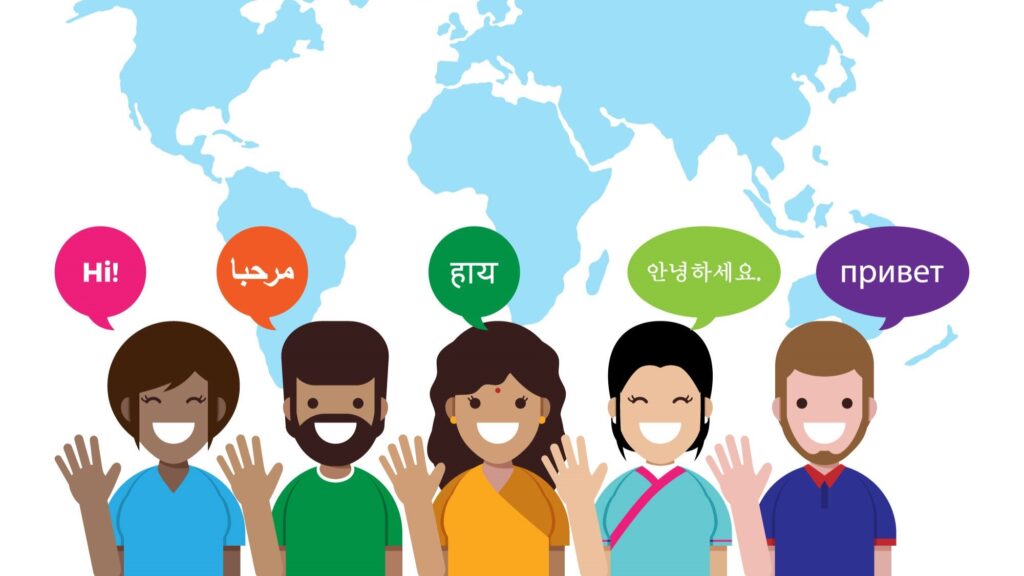
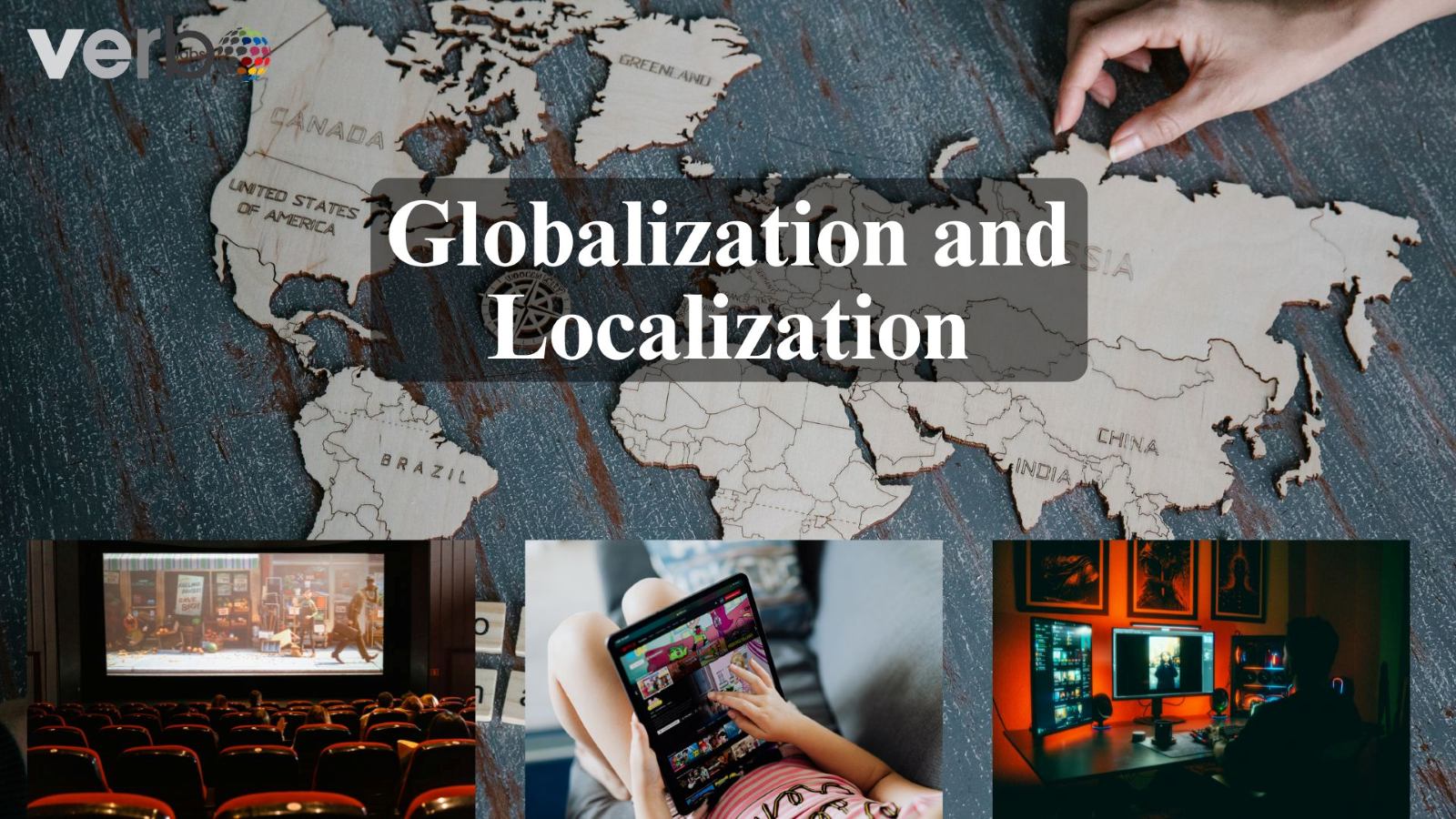
Globalization and localization are reshaping the entertainment industry in much the same way they have transformed retail, education, and technology. As digital platforms remove geographical barriers, entertainment content now travels across countries within seconds. At the same time, audiences expect stories, language, and cultural elements that feel local and relatable.
This shift became visible with the global expansion of streaming platforms, but it has accelerated further with the use of artificial intelligence, data analytics, and region-specific content strategies. From multilingual dubbing and subtitling to culturally adapted narratives, entertainment companies are balancing global reach with local relevance—an approach already proven effective in other industries.
Understanding how globalization and localization work together is now essential for content creators, media platforms, and brands looking to scale internationally without losing audience connection.
The Big Picture: Entertainment Goes Global While Staying Local
The entertainment industry today is nothing short of a cultural mosaic. With global streaming, social media, and digital platforms, content from one country can reach another in minutes. For example, a South Korean drama can find a passionate audience in Latin America or Europe.
- Korean dramas are trending in Latin America.
- Bollywood films attract audiences in Africa.
- Hollywood franchises dominate global box offices.
The Oscar-winning success of “Parasite” (South Korea) showed how local stories can achieve global resonance—proof that cultural specificity, not sameness, drives worldwide appeal.
Economic Impacts: New Markets, New Players, New Opportunities
The global entertainment market brings in revenues larger than the annual GDP of some small nations.
– Traditional strongholds like Hollywood still matter—but we’re seeing impressive growth from regional players (for instance, Nigeria’s Nollywood or Turkey’s film industry).
– For brands and creators, this means fresh revenue pools and partnerships across borders.
– Localization adds value: a film or series made for one region can get tailored for many others, increasing its shelf life and payoff.
Brands and studios increasingly rely on professional localization partners like VerboLabs to ensure content feels natural in every market. VerboLabs offers translation, transcreation, subtitling, and voice-over services, empowering entertainment brands to connect deeply with local viewers.
Technology as the Catalyst: Streaming, AI & Beyond
Digital technology is a massive driver of change. Streaming platforms, mobile access, global distribution—these make culture travel fast. But the next layer is AI-enhanced localization, adaptive content, and data-driven insights.
Case study: “The Lunchbox” (India) reached global audiences through streaming, proving that independent films can thrive internationally without traditional theatrical routes.
Here’s how technology shows up:
- Streaming services localise interfaces, subtitles, and dubbing, all at scale.
- Content creators use AI and machine learning to adapt visuals, dialogue, and even user recommendations.
- For brands and platforms, this means smarter deployment of content, faster localization, and better audience targeting.
These innovations blur borders, allowing every story to find its audience.
Localization in the Digital Age: Why Authenticity Wins

While globalization expands reach, localization ensures relevance. It’s the art and science of adapting content so it feels like it was “made for them.”
Key components:
- Language: translation plus idioms, slang, and regional dialects.
- Cultural adaptation: modifying visuals, narrative, and references so they resonate.
- Technology: smart plays like subtitle/dub options, UI tweaks, and region-specific SEO.
Using an example, the Japanese film Spirited Away became a global favourite while retaining its Japanese spirit. - For creators and brands, localization isn’t an afterthought—it’s a strategic necessity.
Entertainment Reflects Societal Shifts and Cross-Sector Trends
Entertainment may be about fun and storytelling—but it also mirrors major shifts in society and other sectors.
- Music with global appeal (think K-pop) influences fashion, consumer behaviour and brand collaborations.
- Gaming crosses borders, often relying on localization to succeed in multiple markets.
- Even educational or e-learning content is getting entertainment-style global/local adaptation.
Hence, when we study entertainment’s evolution, we’re really looking at a micro-version of how many industries adapt to the global-local dynamic.
The entertainment sector has become an economic powerhouse, influencing job markets and GDP growth.
| Region | Key Industry | Annual Revenue (approx.) |
| USA | Hollywood | $700B |
| India | Bollywood | $24B |
| Nigeria | Nollywood | $8B |
| South Korea | K-Content Industry | $13B |
Emerging industries like Nollywood and Turkish TV drama exports are proof of a decentralized global entertainment economy. Localization allows regional creators to reach new markets, generating both cultural and financial capital.
Ethical & Strategic Challenges: Balancing Global Reach and Local Respect

The growth of global content brings opportunities—but also risks. Some to watch:
- Cultural appropriation: When cultural elements are used superficially or without respect.
- Cultural imperialism: When dominant global players overshadow local narratives.
- Homogenisation of content: If everything tries to appeal to “everyone,” you risk appealing to no one deeply.
For brands, platforms, and creators: local research, proper localization (not just translation), and collaborative models are key.
The Hybrid Future: Global Yet Local, Powered by AI
The entertainment industry is headed to a hybrid model—where global scale meets local authenticity, and where technology (especially AI) plays a big role.
What this means for you:
- Invest in multi-market strategies: build content that has global potential but also local relevance.
- Leverage AI: for translation, localization, user insights, and adaptation.
- Build partnerships: creators from different regions collaborating, brands and platforms sharing content and expertise.
- Prioritise user experience: audiences expect fluid switching between languages, culturally relevant narratives, and seamless localization.
Why Brands & Platforms Should Care (and Act) Now
Entertainment trends often lead other sectors: if you get localization right here, you likely will in retail, tech, and education too.
Consumers increasingly expect brand communications in their language, with cultural nuance. Localised content boosts engagement, trust, and retention. The company VerboLabs reports that 76 % of consumers prefer buying in their native language, and 40 % won’t buy at all if content isn’t localised.
AI and automation now make large-scale localization feasible, cost-effective, and faster. For example, VerboLabs used NeuralSpace’s AI-powered tools to reduce manual efforts and speed up delivery.
Introducing VerboLabs: Your Global-Local Partner
If you’re wondering how to operationalise all this, that’s where VerboLabs comes in.
What is VerboLabs?
VerboLabs is a global digital content creation and localization company. They serve clients worldwide in 120+ languages, covering website/app localization, subtitling, dubbing, voice-over, desktop publishing, and more.
Why it matters for the entertainment & brand world:
- End-to-end localization: they adapt not just text, but videos, apps, software, visuals.
- They combine human expertise with AI workflows (e.g., via NeuralSpace) to boost speed, scalability, and accuracy.
- They understand the entertainment/media domain: subtitling, dubbing, and cultural adaptation.
How you (as a brand/creator/platform) might use them:
- You produce a show or film and want to launch in multiple markets → localization of subtitles, dubbing, marketing assets.
- You have a platform/app and want to improve user adoption in different geo-markets → app/website localization, UI adaptation.
- You need to scale content fast across languages/regions but maintain brand tone and cultural relevance → VerboLabs offers 120+ languages, quality QA, end-to-end process.
Hence, if you’re navigating the global/local entertainment world, partnering with a specialist like VerboLabs can be a smart move.
Practical Steps for Creators & Brands to Navigate This Landscape
Here is a user-friendly checklist you can follow:
- Map your target markets – Identify the countries/regions you want to reach.
- Design content for global/local adaptability – From script to visuals, think about how your content will work cross-border.
- Localise early, not just at the end – Plan for subtitling, dubbing, UI changes, cultural adaptation from the start.
- Leverage AI + human expertise – Use machine translation + AI tools for speed, but always have human-in-the-loop for nuance and quality.
- Maintain brand voice – Whether you’re localising or globalizing, keep a consistent brand identity.
- Test user experience regionally – Check how your content/app is received in each locale: UI, cultural references, language, and interface.
- Measure & iterate – Use data: engagement, retention, conversions by region. Adjust your localization strategy accordingly.
- Partner with specialists – For example, work with a provider like VerboLabs, who understands both the global scale and local nuance.
AI in the Mix: How Artificial Intelligence Is Changing the Game
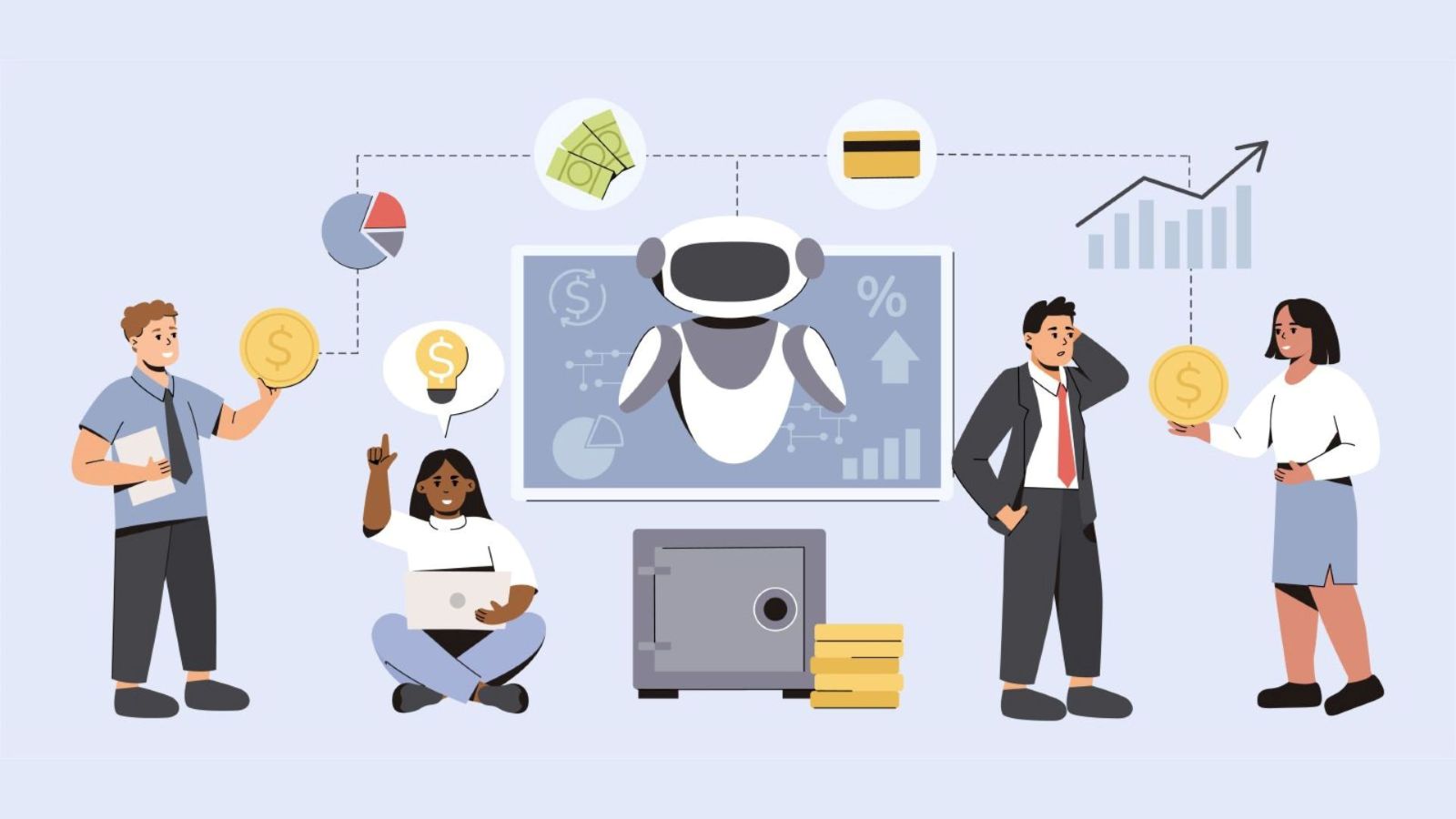
AI isn’t a buzzword—it’s a real enabler in this space. Some uses include:
- Automated translation and post-editing: Speeds up localization workflows.
- Cultural adaptation tools: AI detecting visual/layout issues for different scripts, right-to-left languages.
- Recommendation engines: Suggesting content to users tailored to local taste but global scale.
- Analytics & insights: AI dashboards tracking localization performance, user behaviour by region.
VerboLabs gives an example: by adopting AI-powered workflows (with NeuralSpace), they reduced manual work and accelerated timelines.
For you, staying AI-enabled means staying competitive in this global-local entertainment arena.
Case Study Snapshots: From Global Blockbuster to Local Hits
- Parasite: A Korean film with strong local storytelling that became a global phenomenon.
- Streaming platforms: Offer K-dramas, Bollywood, and African cinema side-by-side—global access, local stories.
- Brands: Using localised content campaigns that speak to specific markets (languages, cultural cues) rather than one-size-fits-all.
These examples show: global reach + local relevance = success.
Benefits of the Global-Local Strategy for the Entertainment Sector
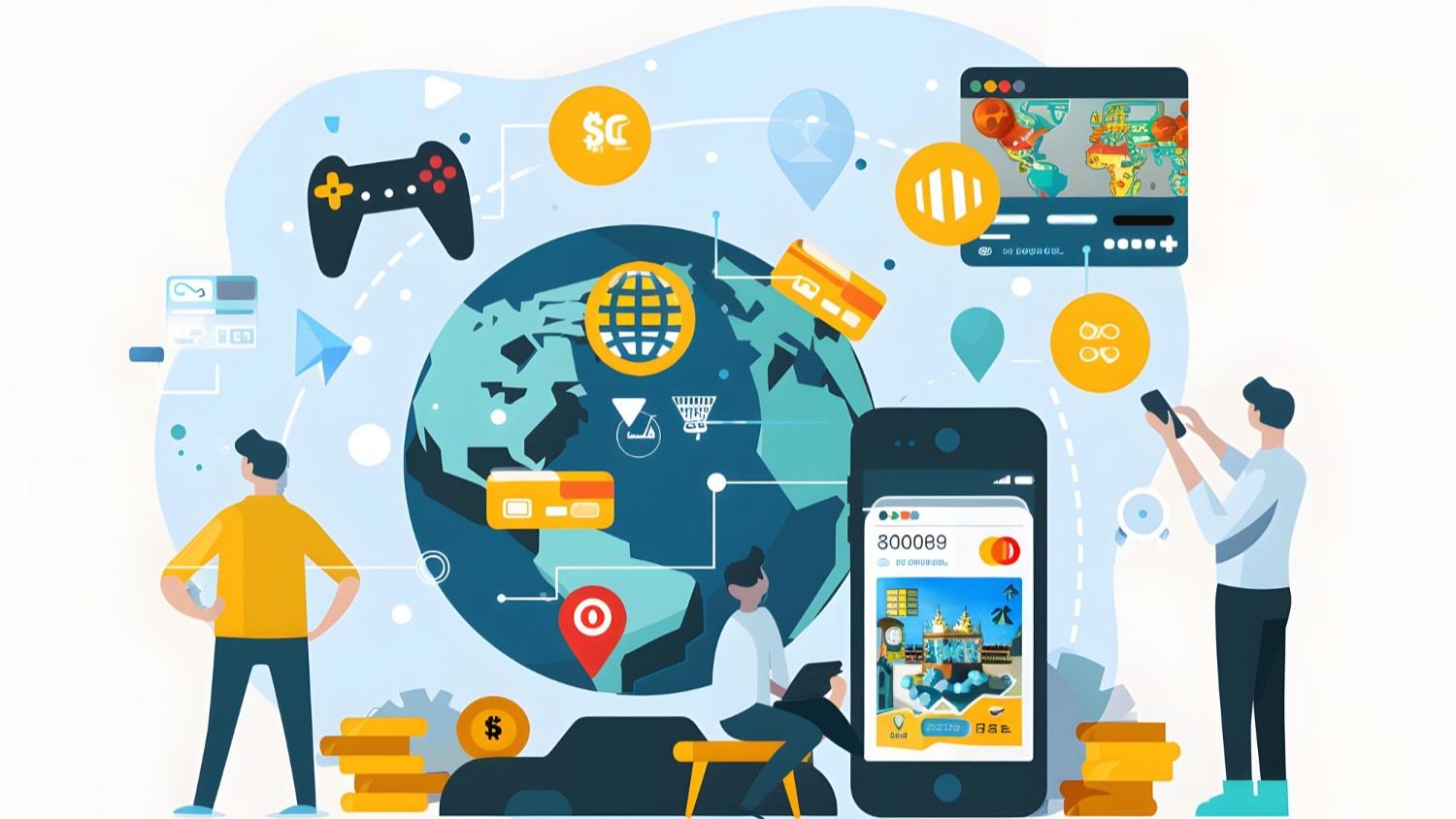
- Wider audience reach = more revenue potential and longer content lifespan.
- Brand/creator diversification: Not reliant on a single market.
- Stronger engagement: When users see themselves in content, they stay longer, share more.
- Better monetisation: Localised content can unlock markets that previously were inaccessible.
- Cross-sector benefits: Entertainment localization expertise can be applied to education, e-learning, apps, gaming, etc.
Common Pitfalls to Avoid
- Treating localization as translation only (missing cultural nuance).
- Launching globally without tailoring to the local market (low resonance).
- Relying only on AI without human quality checks.
- Ignoring user experience differences (e.g., UI, reading direction, local conventions).
- Underestimating the cost/time of localization and adaptation.
Working with experienced partners (like VerboLabs) and planning early helps mitigate these risks.
The Road Ahead: What’s Next for Entertainment & Localization?
- Hyper-localization: Content tailored not just for countries, but regions within countries, micro-cultures.
- Real-time localization: Live events, streaming with dynamic adaptation of dialogues/subtitles.
- Interactive experiences: Gaming, immersive media where localization is built in from design.
- AI-driven adaptation: Auto-localization of user-generated content, dynamic dubbing, voice-over.
- Cross-industry convergence: Entertainment intersects with gaming, e-learning, and branded content—the localization skills carry across.
If your brand or platform can stay agile, culturally sensitive, and AI-ready, you’ll be poised to lead in this hybrid future.
Conclusion
The dance between globalization and localization isn’t just for the entertainment industry—it’s a blueprint for how every creator, platform, and brand must evolve. The integration of globalization, marked by wider accessibility and cross-cultural exchange, is complemented by the nuanced precision of localization. The entertainment industry’s embrace of content localization services reflects a commitment to delivering a truly immersive and inclusive experience for viewers worldwide. If your brand requires some direction, VerboLabs can help your brand become global and local at the same time.
If you’re ready to harness this dynamic, a partner like VerboLabs—with its multi-language, multi-service, AI-enabled offerings—can help you go global and stay local at the same time.
Take the next step: Begin with a market map, define your localization strategy early, engage technology and human expertise, and adapt your content for each culture. The world is open—now it’s your turn.

Unlock the power of globalization and localization with VerboLabs – make your content resonate worldwide.
FAQs
Globalization in entertainment refers to distributing films, series, games, and digital content across international markets. Localization is the process of adapting that content for local audiences through language, cultural references, visuals, dubbing, subtitling, and platform experience.
Localization helps global platforms connect with regional audiences. Viewers are more likely to engage with content that reflects their language and culture, which improves watch time, retention, and overall audience trust.
No. Translation focuses only on converting text or dialogue into another language. Localization includes cultural adaptation, tone, timing for subtitles or dubbing, user interface adjustments, and region-specific preferences to make content feel native.
AI helps automate translation, subtitle generation, speech recognition, and workflow management. It improves speed and consistency, especially for large content libraries. Human review is still needed to ensure cultural accuracy and creative intent—an approach commonly followed by localization providers like VerboLabs.
Localization planning should start early, ideally during content production or platform design. Early involvement reduces rework, lowers costs, and ensures smoother global releases across multiple regions.
Industries such as gaming, e-learning, software and apps, e-commerce, and global marketing rely on localization to scale internationally while maintaining local relevance—similar to trends seen in the entertainment sector.
Brands maintain consistency by keeping their core message and identity unchanged while adapting language, visuals, and cultural cues for each market. Working with experienced localization teams, such as VerboLabs, helps balance global branding with regional expectations.