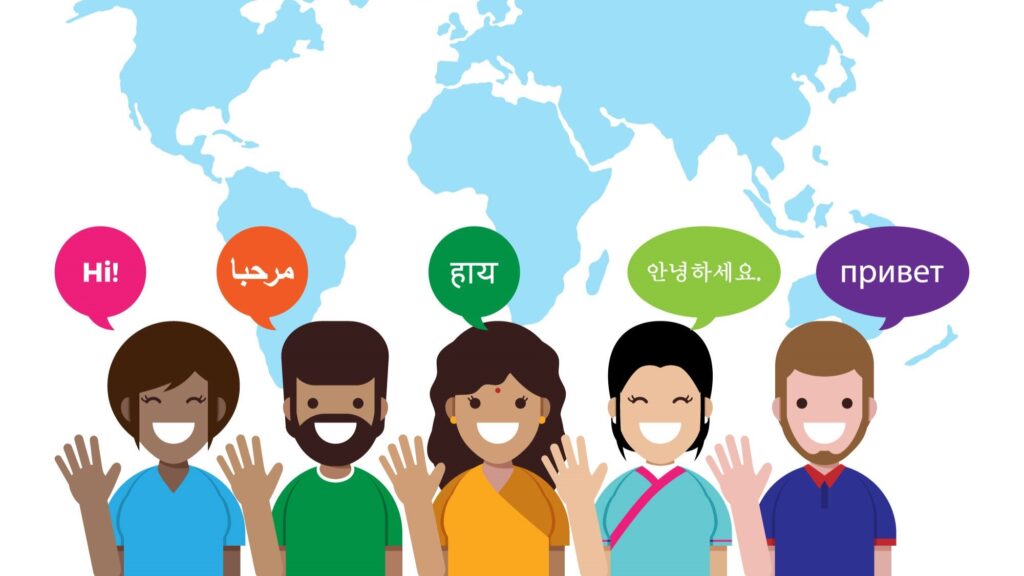

Canada is a vibrant, multicultural, and bilingual nation, with a population of over 40 million in 2026. While English and French remain the official languages, Canada’s linguistic landscape is rapidly diversifying due to immigration—over 200 languages are now spoken as mother tongues, including Mandarin, Punjabi, Tagalog, Arabic, and more.
This diversity directly impacts digital content consumption. From websites and mobile apps to eLearning platforms and marketing campaigns, understanding Canada’s most spoken language segments is crucial for delivering personalized, inclusive, and culturally relevant experiences. Leveraging AI-powered language and localization tools can help businesses engage these audiences effectively, improve user satisfaction, and maximize ROI.
Canada’s Linguistic Diversity
Canada’s official languages are English and French. These two languages are the most widely spoken in the country. However, Canada is also home to many immigrant communities, and a large portion of the population speaks other languages.
- English: About 56.6% of Canadians identify English as their first official language.
- French: Around 22% of the population speaks French as their first official language. The province of Quebec is mainly French-speaking.
- Non-Official Languages: More than 23% of Canadians have a mother tongue other than English or French. This shows the importance of multilingual communication in Canada.
If you are wondering how many languages are spoken in Canada, the answer is more than 200, ranging from immigrant languages to Indigenous languages deeply rooted in Canadian history.
What Are the Most Commonly Spoken Languages in Canada?
When examining the most commonly spoken languages in Canada, English and French remain dominant. However, immigrant languages now form a substantial and growing segment of the population.
1. English
English is the most spoken language in Canada, used in government, education, business, and media across most provinces.
2. French
French is the second most widely spoken language. Many people ask, “Is French the second most spoken language in Canada?” — Yes, it is. It holds official status and is central to cultural identity, particularly in Quebec and parts of New Brunswick and Ontario.
3. Other Widely Spoken Immigrant Languages
Beyond the official languages, the top spoken languages in Canada include:
- Spanish – The most widely spoken non-official language nationally.
- Mandarin – Strong presence in major cities such as Toronto and Vancouver.
- Punjabi – Rapidly growing, particularly in Brampton and parts of British Columbia.
- Tagalog – Reflecting Canada’s strong Filipino community.
- Arabic – Prominent in Ontario and Quebec.
These languages collectively shape the top most spoken languages in Canada and influence how businesses approach localization and communication.
What Is the Third Most Spoken Language in Canada?
A common question is: What is the third most spoken language in Canada after English and French?
The answer can vary depending on measurement criteria—mother tongue, language spoken at home, or total speakers. However, the third most spoken language in Canada is often identified as Punjabi, Mandarin, or Spanish, depending on the dataset and region.
Why the Variation?
Regional concentration plays a major role.
- Punjabi has a strong representation in British Columbia and parts of Ontario.
- Mandarin dominates in urban centers like Toronto and Vancouver.
- Spanish has a broad but more evenly distributed presence.
Therefore, when asked what the third most spoken language in Canada is, after English and French, the answer depends on demographic context rather than on a single fixed ranking.
Top 10 Most Spoken Languages in Canada
For those asking, what are the top 10 languages spoken in Canada? Here is a structured overview based on recent demographic patterns:
- English – National majority language; central to business and public life.
- French – Official language; dominant in Quebec.
- Punjabi – Strong growth due to immigration.
- Mandarin – Significant presence in urban centers.
- Spanish – Expanding across multiple provinces.
- Tagalog – Prominent within Filipino communities.
- Arabic – Growing due to immigration trends.
- Cantonese – Historically strong in Chinese-Canadian communities.
- Hindi – Increasing visibility in metropolitan areas.
- Urdu – Expanding in Ontario and Alberta.
These rankings reflect how immigration influences the most commonly spoken languages in Canada and highlight the country’s evolving demographic landscape.
From a business perspective, understanding the importance of language in business communication is crucial. Companies that align with these language segments often achieve stronger engagement, improved customer trust, and broader market penetration.
Indigenous Languages: A Cultural Treasure
Canada is home to over 70 Indigenous languages, each representing unique cultures and histories. Although these Indigenous languages are not widely spoken in Canada, they are very important to the country’s cultural identity. However, many of them are at risk because the number of native speakers is decreasing, and efforts to preserve them are limited.
- Speaker Decline: In 2021, about 237,420 Indigenous people reported they could speak an Indigenous language well enough to have a conversation. This number shows a decline compared to previous years.
- Revitalization Efforts: Efforts are being made to protect and promote Indigenous languages, as they are an important part of Canada’s cultural heritage. Events such as the Global Indigenous Languages Summit in Ottawa aim to support these languages and raise public awareness.
Importance of Localization in Canada

Effective localization is more than simple translation. It means adapting content to match a specific audience’s cultural and language preferences.
- Website Localization: Websites should be available in more than one language, especially English and French. In areas where many people speak other languages, such as Mandarin or Punjabi, offering content in those languages can improve user engagement. Website localization services help adjust content properly and expand your global reach.
- App Localization: Mobile applications should reflect Canada’s language diversity. Providing multiple language options and culturally relevant content helps reach a wider audience. App localization services make your application more flexible, user-friendly, and suitable for different communities.
- Translation vs. Localization: Translation focuses only on changing text from one language to another. Localization, however, includes cultural adaptation. It ensures that the content fits local customs, expressions, and user expectations.
Strategies for Engaging Canada’s Multilingual Population
To connect effectively with Canada’s diverse language communities, businesses can use the following strategies:
- Prioritize Bilingual Content: Ensure all national communications are available in both English and French, adhering to Canada’s official language requirements.
- Focus on Key Immigrant Languages: Identify areas where certain language groups are large. For example, provide Mandarin content in Vancouver and Punjabi content in Brampton to better reach local communities.
- Cultural Sensitivity: Understand and respect cultural norms, traditions, and values when creating content to foster genuine connections.
- Leverage Community Media: Collaborate with ethnic media outlets and community organizations to disseminate localized content effectively.
- Utilize Multilingual SEO: Optimize digital content for search engines in multiple languages to increase visibility among diverse audiences.
VerboLabs: Your Partner in Canadian Localization

Navigating Canada’s complex linguistic landscape requires expertise and cultural insight. VerboLabs offers comprehensive localization services to help businesses thrive in this diverse market:
- Website and App Localization: Customizing digital platforms to cater to Canada’s multilingual users.
- Translation Services: Providing accurate translations in over 120+ languages, ensuring messages resonate with target audiences.
- Cultural Consultation: Advising on cultural preferences to enhance content relevance and engagement.
- Multimedia Localization: Adapting videos, audio, and other multimedia content for diverse linguistic groups.
Partner with VerboLabs to ensure your content speaks to every Canadian, regardless of language.
Conclusion
Canada’s linguistic landscape continues to evolve, making it essential for businesses to understand the most spoken languages in Canada and adapt accordingly. From English and French to growing communities speaking Punjabi, Mandarin, and Spanish, language shapes how people connect, consume content, and build trust.
Effective localization goes beyond translation—it ensures cultural relevance and linguistic accuracy. By partnering with VerboLabs, organizations can confidently navigate Canada’s multilingual environment and deliver communication that resonates across every community.
Ready to connect with Canada’s multilingual audience? Partner with VerboLabs for expert AI-assisted localization services that ensure your message resonates across every language and culture.

Connect with Canada’s multilingual audience. Get expert localization for your website, app, or video—partner with VerboLabs today.
Frequently Asked Questions (FAQs)
English is the most spoken language in Canada, followed by French. With growing immigration, Mandarin, Punjabi, Tagalog, Spanish, and Arabic also form major language groups. Understanding the most spoken languages in Canada helps businesses create localized content and connect effectively with diverse audiences.
Yes, French is the second most spoken language in Canada. It is also an official language. It is mainly spoken in Quebec and in parts of New Brunswick and Ontario.
Canada is considered a multilingual country because it welcomes immigrants from many parts of the world and respects different languages and cultures.
Language is important for business communication because it helps companies connect with customers, prevent misunderstandings, and build trust in Canada’s diverse market.
Language helps people from different cultures share ideas, trade, and work together. It plays an important role in communication in today’s global society.
Challenges include understanding regional dialects and cultural norms, and ensuring translations maintain the original message’s intent while resonating with local audiences.
Canada’s linguistic diversity enriches its cultural tapestry, fostering inclusivity, global connections, and a dynamic multicultural society.