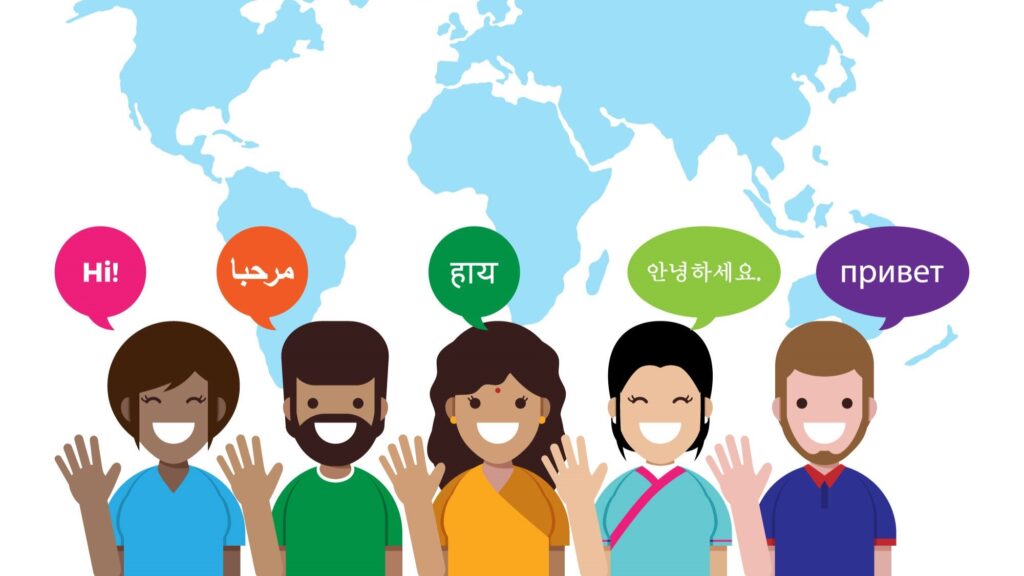

Global e-commerce is booming in 2026, with worldwide retail sales expected to reach $7.9 trillion by 2027, up from $5.8 trillion in 2023 (Statista). As online shopping expands across borders, businesses face the challenge of connecting with customers in diverse languages and cultures. E-commerce localization has become a game-changer, enabling brands to deliver personalized shopping experiences, improve engagement, and increase customer retention.
By adapting product descriptions, pricing, marketing messages, and user interfaces to local markets, companies can turn global traffic into loyal customers and maximize international growth.
From fashion to electronics, consumers now shop across borders without hesitation. But here’s the catch: 73% of global shoppers prefer to buy from websites that offer content in their native language (CSA Research). This makes website localization not just an advantage — but a necessity for e-commerce businesses in 2026.
Translation vs. Localization — What’s the Difference?
Many businesses confuse translation with localization, but they’re not the same:
- Translation: Converting text from one language to another while keeping the original meaning intact.
- Localization: Adapting content, design, currency, units, payment methods, and even cultural references to suit a specific market.
Think of translation as changing the language, and localization as making it feel like it was built for them in the first place.
Why Localization Matters in E-Commerce
Localization is essential for any business aiming to sell internationally. In e-commerce, it goes beyond simple translation—it adapts your website, products, and messaging to fit local languages, cultures, and expectations. This approach drives international growth, boosts revenue, and strengthens brand trust. Here’s how it makes the biggest impact:
International Reach – Offering localized versions of your website opens your store to entire markets that might otherwise remain untapped. For example, Japanese consumers expect websites in Japanese with pricing in yen—not English with USD.
Revenue Growth – Customers are more likely to complete a purchase when the experience feels familiar and relevant. Research shows that localized websites can increase conversion rates by up to 70% compared to non-localized versions.
Brand Trust & Recognition – A carefully localized e-commerce experience signals, “We understand you.” This emotional connection builds credibility, encourages repeat purchases, and transforms first-time buyers into loyal brand advocates.
Pro Tip: Businesses looking to scale globally can leverage professional e-commerce localization services by VerboLabs to ensure consistent messaging, culturally appropriate content, and optimized user experiences across markets.
Key Benefits of E-Commerce Localization
- Improved Customer Engagement – Customers are more likely to explore and return to websites that speak their language and reflect their culture.
- Higher Conversion Rates – Localized content reduces friction in the buying process, making checkout smoother and boosting sales.
- Global Brand Consistency – Style guides, terminology standards, and localized campaigns maintain a unified brand voice worldwide.
- Scalability – Professional localization workflows allow companies to expand into multiple markets quickly and efficiently.
VerboLabs Services are Beneficial for
VerboLabs specializes in translation and localization services for businesses that:
- Run e-commerce platforms and want to expand globally
- Have multi-language customer bases and need accurate, culturally adapted content
- Require SEO-friendly localization to boost search visibility in new markets
- Operate in industries like fashion, electronics, home goods, SaaS, and marketplaces
How VerboLabs Helps You Win the Localization Game

At VerboLabs, we don’t just translate — we transform your e-commerce store into a native experience for every market you target.
How VerboLabs Supports Global E-Commerce Growth
To handle large-scale, international e-commerce projects, businesses need a combination of AI-driven translation and expert human localization. VerboLabs offers a structured hybrid approach:
- AI Translation Layer – Creates fast, consistent first-draft translations for product descriptions, UI text, and marketing content.
- Expert Human Linguists – Refine translations for tone, context, and cultural relevance, ensuring content reads naturally for each target audience.
- Localization & Cultural Adaptation – Adjusts expressions, references, formats, and messaging so content feels appropriate in every market.
- Multi-Level QA & Consistency Checks – Glossaries, style guides, and QA tools ensure accurate terminology, brand alignment, and high linguistic quality.
- Multimedia Support – From video and audio content to UI screenshots, VerboLabs ensures all formats are accessible and culturally suitable.
By combining technology and human expertise, VerboLabs enables businesses to reach global customers confidently and efficiently, without compromising on quality or brand identity.
Why choose VerboLabs for Website Localization?
- Proven Experience
We’ve localized hundreds of e-commerce sites, helping brands scale in Asia, Europe, the Middle East, and beyond. - Native Linguists & Industry Experts
Our translators are native speakers with deep knowledge of cultural nuances and industry-specific terms. - Technical Localization Expertise
We handle complex CMS integrations, multilingual SEO optimization, right-to-left (RTL) language formatting, and localized payment gateway setups. - Rigorous Quality Assurance
Every project undergoes a two-step proofreading and quality check process to ensure flawless output before launch.
Real-World Example
Imagine you run an e-commerce store in the US selling beauty products. Without localization, your French customers see prices in USD, shipping details in English, and imperial measurement units. With VerboLabs:
- Prices show in EUR
- Product descriptions are in French with local beauty terminology
- Shipping info matches French postal systems and expectations
The result? Higher trust, better conversions, and stronger repeat business.
E-Commerce Localization in 2026 — The Localization Advantage
In a market where competition is just a click away, localization is your differentiator. By 2026, brands that fail to adapt to local languages and cultures risk losing market share to competitors who do.
With VerboLabs, you can:
- Tap into emerging markets without language or cultural barriers
- Improve customer retention with tailored shopping experiences
- Boost your SEO rankings in each target market through localized keywords and metadata
Conclusion
E-commerce in 2026 is faster, more global, and more competitive than ever. While translation helps your message reach new audiences, localization ensures it resonates, making your content feel native and culturally relevant. Businesses that invest in e-commerce localization can expand internationally, enhance customer engagement, and turn first-time visitors into loyal buyers.
For brands ready to scale globally, partnering with a trusted translation and localization company like VerboLabs ensures your website, products, and marketing materials connect with customers across markets—accurately, efficiently, and consistently. Start your global growth journey today and make every customer feel like your store was made just for them.

Expand your e-commerce store globally with expert localization.
FAQs
A localization service adapts your e-commerce content for a specific market by adjusting language, currency, cultural references, product descriptions, images, and user experience. It goes beyond translation to ensure your store feels local to each target audience.
Translation converts text from one language to another, while localization adapts the entire content to suit local culture, buying behavior, and expectations. For e-commerce, localization is essential to improve trust, conversions, and customer experience.
E-commerce localization involves translating product pages, localizing pricing and payment methods, adapting CTAs, optimizing SEO keywords for local searches, and ensuring legal and regional compliance. The goal is to create a seamless shopping experience for each market.
Localization helps brands connect with international customers in their native language, reduce cart abandonment, and increase sales. Shoppers are more likely to buy when content feels familiar, clear, and culturally relevant.
A localization strategy defines target markets, supported languages, content priorities, localized SEO keywords, and quality control processes. A strong strategy ensures consistent branding while adapting to local customer preferences and regulations.
Translation services in e-commerce include product descriptions, category pages, checkout flows, customer support content, legal documents, emails, and marketing campaigns. Accurate translation ensures clarity and builds customer trust.
Translation costs vary based on language pair, content complexity, volume, and turnaround time. E-commerce translations are typically priced per word, with legal or technical content costing more due to expertise requirements. Professional services ensure accuracy and consistency across your store.