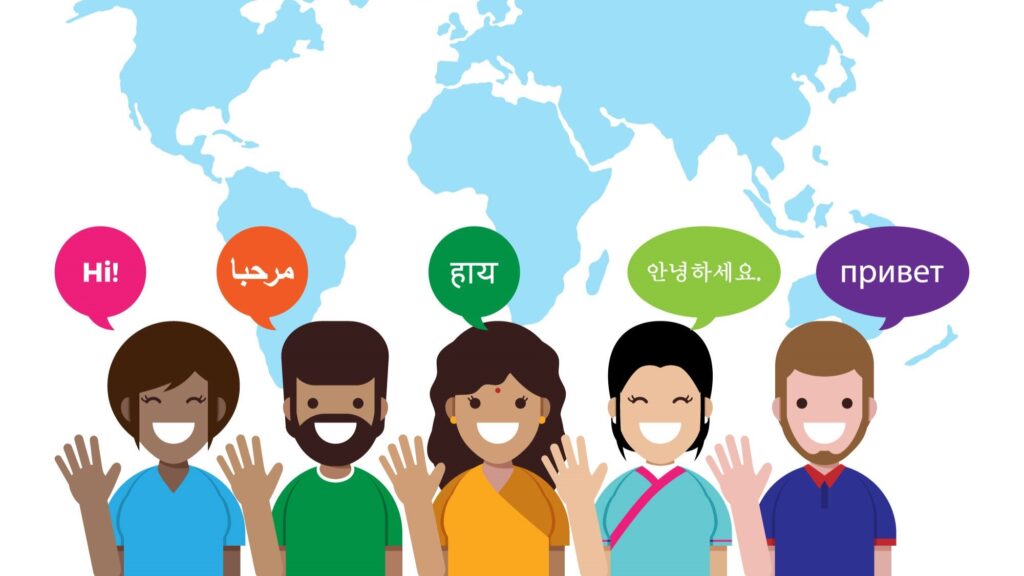

Independence Days around the world are more than national holidays; they are powerful reminders of resilience, identity, and collective memory. Each country’s celebration reflects a unique historical journey shaped by struggle, sacrifice, and hope. For global brands, acknowledging these moments requires more than a translated greeting; it demands cultural understanding and thoughtful communication. VerboLabs helps organizations speak across languages with accuracy, respect, and cultural sensitivity.
By combining expert translation with deep localization insight, we enable brands to connect authentically with diverse audiences during meaningful national celebrations worldwide.
Why Independence Days Matter Globally
More than just holidays, Independence Days represent emotional milestones for countries rooted in their historical, sacrificial, and cultural identities; rather than simply a date on a calendar, Independence Day celebrations unite communities around the world through rituals, narratives, and emblems of freedom. Global communication must consider the cultural implications of national holidays, as they may be viewed as shallow or insensitive by cultures unfamiliar with them.
Cultural communication for global audiences, supported by proper translation and legitimation, is essential to international marketing, internal communication, and public information messaging systems.
What Is Independence Day?
Independence Day is a national holiday that marks the moment a country achieved independence from colonial rule, foreign control, or formalised its sovereignty.
These days typically serve to:
- Celebrate national identity and unity
- Honour historical struggles and leaders
- Reinforce shared cultural values
- Educate younger generations about national heritage
Although the purpose is similar worldwide, the cultural significance of Independence Day varies greatly depending on the historical context.
Also read,
- Why Cultural Understanding is Crucial When Translating Business Content
- Unlocking Connections: The Essential Role of Language and Communication in Our Lives
Iconic Independence Days Around the World
Here are some well-known examples that highlight how independence days around the world differ in tone and tradition:
- The United States celebrates July 4th as the date of its independence with parades, fireworks, and community events that commemorate its 1776 independence from Great Britain.
- In India, this holiday is celebrated on August 15th with the flag hoisted, speeches, and eye-catching performances by artists from across India that reflect the history of India’s struggle to achieve independence from Great Britain in 1947.
- In France, July 14th (Bastille Day) marks the date of the French Revolution, which represented a moral guarantee of liberty, equality, and brotherhood.
- In Brazil, September 7th is their Independence Day; this date is celebrated with a large military parade through major cities, featuring the armed forces of Brazil marching in unison.
- December 10th is International Human Rights Day, a global day that reminds people worldwide that all individuals have inherent rights and should be respected by governments, communities, and society.
How Different Cultures Celebrate Independence

People’s Independence Day celebrations differ depending on the specific culture and traditions they come from. Most Independence Day celebrations have some similarities. For example, many Independence Day celebrations have parades and ceremonies, either military, civic, or cultural. Many have traditional music and dance that highlight the country’s regional heritage.
Many countries have national speeches that provide an opportunity to reflect on the country’s history and to express aspirations for the future. Many countries also have public holidays and festivals to foster community involvement. While some countries observe solemn remembrance, others offer festive celebration.
Cultural Significance Behind the Celebrations
Independence Day has cultural significance in more than just being a celebratory holiday; it also serves as an important representation of many things:
- National Identity further strengthens shared connections among people and with the nation.
- Historical memory recalls all of the struggles, sacrifices, and milestones throughout the years.
- Symbols of freedom, including flags, anthems, and monuments representing Freedom.
- Collective Values including Liberty, Unity, Resilience, and Hope.
When creating content for global audiences, it is important to understand these elements in their context.
Communicating Independence Day Content Across Languages
When discussing World Freedom Day traditions, brands must go beyond literal translation. Emotional tone, political sensitivity, and historical context vary widely across regions. Applying effective global holiday translation tips means adapting slogans, symbols, and narratives to resonate locally while preserving authenticity.
VerboLabs ensures culturally appropriate content through native linguists, in-country cultural reviewers, and market-specific localisation strategies. Each message is carefully evaluated for tone, symbolism, and cultural nuance — helping brands honour national pride respectfully while maintaining consistent global communication standards.
Holiday Translation Challenges & Best Practices
A few challenges are as follows:
- Translations may not account for how culture shapes a person’s interpretation of what they read.
- Whether intentional or not, people may be offended by something written about politics or a time period.
- A common cliché that applies to everyone will not work for every group, as each audience is diverse.
To overcome these challenges, brands should consider the following when celebrating national holidays:
- Research local culture and values for guidance.
- Utilise native-language translators and local cultural consultants.
- Consider local images with colour: which will be viewed positively, and which will not.
- Utilise wording that matches the level of sophistication people within the specific culture expect.
By completing these tasks, brands can respectfully engage their target audience during national celebrations.
Case Studies: Effective Cultural Messaging
- A travel brand sharing independence greetings in local languages, tailored to regional customs
- A food company localizing festive recipes tied to national celebrations
- A multinational organization acknowledging different independence days for global employees
Each example shows how localization strengthens trust and engagement.
Why Understanding Cultural Holidays Improves Global Engagement

Recognising independence days around the world helps organisations:
- Build cultural respect and credibility
- Improve social media engagement
- Strengthen internal global communication
- Avoid cultural missteps
In an interconnected world, cultural awareness is no longer optional.
Conclusion
Freedom is a unique experience for every culture, and the Independence Days around the world are a reminder of this. By learning from how countries celebrate freedom and by using appropriate localization strategies, brands can authentically connect with their customers worldwide.
Freedom may be universal, but the way it is felt and celebrated differs across cultures. This is where VerboLabs plays a key role. VerboLabs helps brands share their message with proper cultural relevance by going beyond direct translation—adapting language, tone, visuals, and context to match local values and traditions. Whether it’s aligning campaigns with national celebrations like Independence Days or tailoring brand communication for regional audiences, VerboLabs ensures your message feels natural, respectful, and meaningful in every market you target.

Connect with the world through culturally resonant communication — partner with VerboLabs.
Frequently Asked Questions (FAQs)
It is a national holiday marking a country’s freedom from colonial or external rule.
The United States, celebrating since 1776, is often cited as one of the oldest.
Cultural traditions, history, and national values shape how each country celebrates freedom.
It ensures messages are accurate, respectful, and culturally appropriate.
Translation changes language; localization adapts meaning, tone, and cultural context.
By researching culture, avoiding stereotypes, and using professional localization.
It may help drafts, but it often misses nuance; human review is recommended.
VerboLabs delivers culturally adapted translation, localization, and multilingual content tailored for diverse markets.