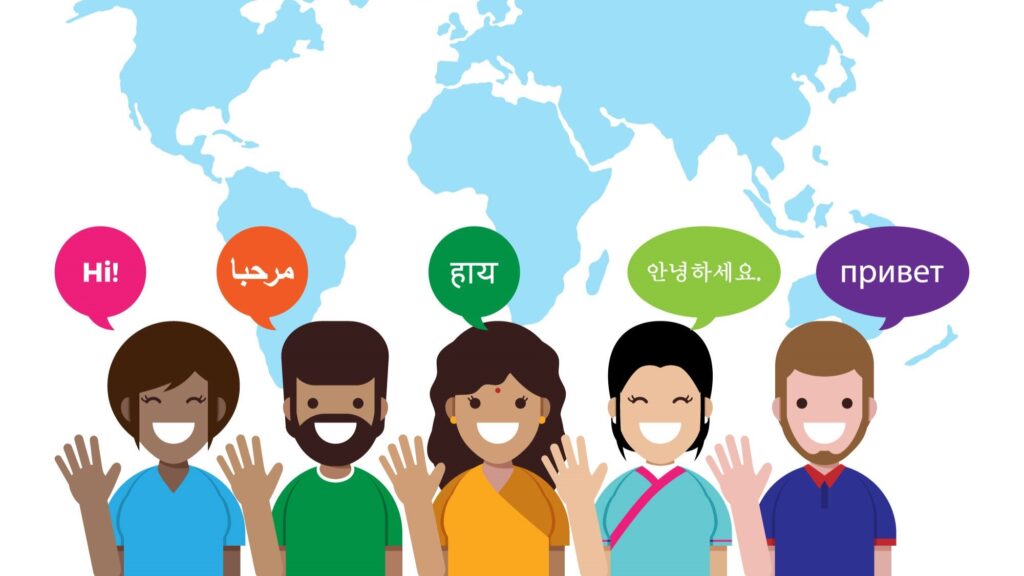
In a world where voice and video content dominate search results, transcription transforms global reach in 2026 by turning spoken words into searchable, AI-friendly text. Brands and publishers that fail to transcribe their content risk invisibility across Google, AI Overviews, and voice assistants.
For authors, publishers, and media companies targeting U.S. and international markets, professional transcription is no longer optional—it’s a core growth strategy. Accurate transcripts power SEO, improve accessibility compliance, accelerate localization, and unlock new revenue streams across formats and platforms.
What Is Transcription & Why Is It Important?
Transcription is the process of converting spoken audio or video content into a written text format. While it may sound straightforward, modern transcription in 2026 requires accuracy, AI-assisted workflows, subject-matter expertise, and cultural awareness—especially when the content will be used for global publishing, subtitling, dubbing, or audiobook creation.
For example:
- An author’s interview can be transcribed for press releases, blogs, or book promos.
- Audiobooks can be transcribed to create multilingual e-book versions.
- Media interviews can be turned into accessible content for hearing-impaired audiences.
Where Transcription Matters the Most
Professional transcription plays a critical role in multiple industries:
- Publishing & Literature
- Transcribe author events, interviews, or spoken drafts for editing and translation.
- Create multilingual print and digital versions from original audio recordings.
- E-learning & Education
- Transcribe lectures, webinars, and courses for better accessibility and localization.
- Improve SEO with searchable text content for learning portals.
- Media & Entertainment
- Transcribe podcasts, films, and documentaries for subtitling and dubbing.
- Prepare scripts for translation and AI-assisted dubbing to reach global streaming audiences on platforms like Netflix, YouTube, major podcast networks, and FAST channels increasingly popular in the U.S. market.
- Legal & Corporate
- Maintain accurate records of meetings, depositions, and conferences.
- Provide certified transcripts for compliance and documentation.
- Healthcare & Research
- Convert medical dictations and research interviews into precise text for reports.
Impact of Professional Transcription on Global Success
A good transcription process directly impacts:
- Accessibility – Makes content usable for people with hearing impairments.
- Searchability – Written content boosts SEO visibility.
- Localization Readiness – Accurate transcripts speed up translation and localization.
- Time & Cost Efficiency – Reduces back-and-forth editing in multilingual projects.
Recent 2025–2026 digital content studies show that adding accurate transcripts to video and audio can significantly improve engagement and search visibility because transcripts allow search engines, AI Overviews, and voice assistants to fully index spoken content.
Qualities of a Good Transcriptionist
A skilled transcriptionist should have:
- Fast & accurate typing (70–120 WPM error-free).
- Excellent listening skills to work with varied audio quality.
- Research ability for industry-specific terminology.
- Multitasking skills to control playback, research, and typing simultaneously.
- Language mastery to ensure high-quality results.
Tips for Faster & High-Quality Transcription
- Use high-quality headphones with noise cancellation.
- Leverage transcription software & foot pedals for playback control.
- Utilize AI writing and correction tools (such as Grammarly or built-in AI editors) to speed up cleanup, formatting, and consistency checks.
- Adopt good ergonomics to prevent strain during long sessions.
- Edit audio with tools like Audacity for poor-quality recordings.
- Take regular breaks to maintain focus.
- Mark unclear segments with [INAUDIBLE] or closest guesses.
- Clarify client requirements before starting to avoid rework.
VerboLabs Transcription Services
Who benefits most from VerboLabs’ transcription expertise?
- Authors & Publishers – Looking to turn audio stories or book readings into global hits.
- Media Companies & OTT Platforms – Needing transcription for subtitling and dubbing.
- E-learning Platforms – Wanting accurate transcripts for courses, webinars, and training.
- Corporate Enterprises – Recording and documenting meetings and conferences.
- Healthcare Providers – Requiring precise medical transcription for patient records.
- Legal Firms – Needing certified legal transcripts for compliance and litigation.
Why Choose VerboLabs for Professional Transcription Services?
At VerboLabs, we don’t just transcribe—we prepare your content for global success.
- Industry Expertise – Our transcriptionists are trained in specific domains such as medical, legal, academic, and creative writing.
- Multilingual Capability – Combine transcription with translation services to reach audiences in over 120 languages.
- Quality Assurance – Multiple rounds of proofreading to ensure 99% accuracy.
- Speed & Scalability – Handle bulk projects without compromising quality.
- Integration with Localization – We make your transcripts ready for localization services to adapt them for different cultures and markets.
Conclusion
In 2026, transcription has evolved from a support task into a high-impact growth driver for global content distribution. As search engines, AI assistants, and voice interfaces prioritize structured text, organizations that invest in accurate transcription gain a measurable advantage in visibility, accessibility, and localization speed.
Looking ahead, the brands that scale fastest will be those that treat transcription as part of their core content infrastructure—not an afterthought. The opportunity is clear: make every spoken word searchable, accessible, and ready for a multilingual, AI-driven future.

Turn Your Words into Bestsellers Across Languages
FAQs
The fastest approach in 2026 is using AI transcription for the first draft, followed by human review for accuracy. This hybrid workflow balances speed and quality, making it ideal for U.S. publishers, podcasters, and media teams that need scalable yet reliable transcripts.
Yes. Transcripts give search engines the full text context of your video, which improves keyword relevance and indexing. In the U.S. market, videos with transcripts are more likely to appear in featured snippets, AI Overviews, and voice search results compared to audio-only content.
For publishing, legal, and broadcast use, transcripts should typically reach 99% accuracy or higher. High accuracy ensures subtitles sync correctly, maintains brand credibility, and prevents costly errors—especially important for regulated industries in the United States.
Yes. While AI has improved, human transcription remains essential for complex audio, heavy accents, industry terminology, and sensitive content. Most U.S. enterprises now use AI for speed but rely on human verification for final, publication-ready transcripts.
Transcripts and captions help organizations meet accessibility expectations under ADA and WCAG guidelines by providing text alternatives for audio content. In the U.S., this is increasingly important for educational institutions, media companies, and public-facing brands.
Absolutely. Podcast transcripts make episode content searchable by Google and AI assistants, helping new listeners find specific topics or quotes. Many U.S. podcast networks now treat transcripts as essential for SEO, content repurposing, and audience growth.
High-ROI content includes webinars, podcasts, video marketing, training modules, and executive interviews. These formats generate long-form spoken content that can be repurposed into blogs, social posts, subtitles, and knowledge-base articles for U.S. audiences.
VerboLabs is a leading provider of professional dubbing, voice-over, transcription, translation, and localization services in 120+ languages. We specialize in delivering culturally accurate content for videos, games, websites, and training modules. With a global network of native linguists and multimedia experts, we help brands connect with audiences worldwide. Whether you need subtitles for a film or full-service explainer video production, VerboLabs ensures quality, speed, and scalability.