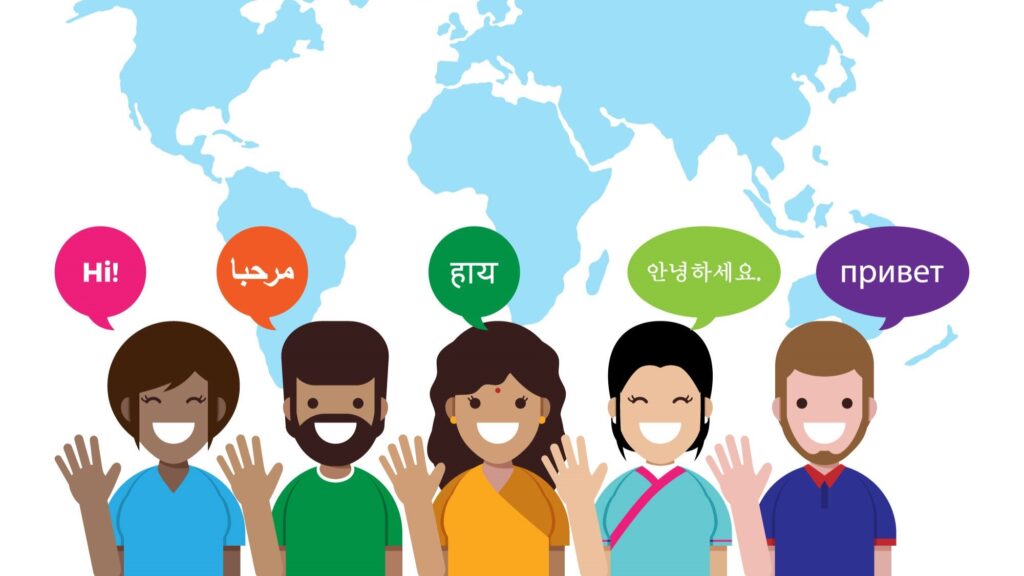

In 2026’s hyper-connected marketplace, understanding localization cost is essential for any business planning global expansion. Companies that budget and plan localization strategically outperform competitors by delivering culturally relevant, market-ready experiences.
Localization goes far beyond word-for-word translation. It ensures your language, visuals, currencies, formats, compliance requirements, and user experience feel native to each target market. This guide breaks down localization pricing, cost drivers, and the full process so you can plan smarter and scale globally with confidence.
What Is Localization Cost and Why Does It Matter?
Localization cost is the total expense required to adapt content, software, or multimedia for a specific language and cultural market, including translation, cultural adaptation, engineering, and quality assurance.
Understanding localization pricing helps US and global businesses:
- Plan international expansion budgets accurately
- Avoid hidden costs and rushed project fees
- Choose the right pricing model
- Maximise return on investment (ROI)
This guide explains localization cost structures, pricing models, influencing factors, and the complete workflow—so you can make informed, cost-effective decisions.
Key Benefits of Localization:
- Boosts customer trust and brand loyalty
- Improves engagement and user experience
- Ensures regulatory compliance in international markets
Key Elements That Affect Localization Cost
Several variables influence the total cost of localization:
- Content Volume and Complexity: Word count, terminology difficulty, and formatting needs.
- Number of Target Languages: The more languages, the higher the cost.
- Type of Content: Technical, legal, or medical content often costs more because of the required subject expertise.
- Media Format: Text, images, videos, and interactive content each require different levels of localization effort.
- Turnaround Time: Urgent projects may involve rush fees.
- Technology and Tools Used: Use of CAT tools, translation memory, and localization platforms may influence pricing but also reduce long-term costs.
Typical Localization Pricing Models
- Per-Word Pricing: Common for documents, web content, and straightforward translations.
- Per-Hour Pricing: Suitable for tasks like transcreation, editing, voice-over, and engineering.
- Fixed Project Rate: Often used for multimedia localization or software projects.
- Subscription Model: Ideal for companies with ongoing translation needs using a localization platform.
Average Localization Costs in 2026 (with Examples)
- Website Localization: $0.10 to $0.25 per word
- Software Localization: $1,000 to $10,000+, depending on complexity
- App Localization: $0.15 to $0.30 per word plus engineering costs
- Video Subtitling/Dubbing: $5 to $20 per minute
Example: Localizing a 10,000-word user manual into three languages might cost $3,000 to $7,500.
The End-to-End Localization Process
- Project Analysis: Define goals, target audience, and content scope.
- Language & Market Research: Understand cultural and linguistic expectations.
- Linguist Assignment: Select native-speaking experts with subject-matter knowledge.
- Translation & Localization: Translate and adapt tone, format, and images.
- Editing & Quality Assurance: Proofreading and functionality testing by a second linguist.
- Client Review: Feedback and revisions.
- Final Delivery: Delivered in the desired format and platforms.
Why These Cost Differences Matter

- Prioritize Content: Localize only high-impact materials first.
- Leverage Translation Memory: Reduces repeated work and costs.
- Use Localization Tools: Streamlines workflow and consistency.
- Plan Ahead: Avoid rush charges and last-minute changes.
- Choose the Right Partner: Ensure they offer scalability, security, and industry expertise.
Common Mistakes That Increase Localization Costs
- Ignoring cultural nuances
- Failing to prepare source files properly
- Not involving localization experts early
- Skipping localization testing
- Using machine translation without post-editing
Choosing the Right Localization Partner
What to look for:
- Native linguists and cultural experts
- Experience in your industry
- Use of reliable CAT tools and platforms
- Transparent pricing and project timelines
VerboLabs offers end-to-end professional localization services designed to help businesses succeed globally. From document translation to full-scale software localization, we deliver high-quality results, fast.
Why Smart Localization Is a Long-Term Investment
Smart companies in 2026 recognize that managing localization cost effectively is key to sustainable global growth. When executed strategically, localization drives stronger customer trust, higher engagement, better compliance, and measurable gains in international revenue.
By understanding cost drivers, choosing the right pricing model, and following a structured localization workflow, businesses can avoid unnecessary expenses while maximizing ROI. The future of global expansion belongs to brands that plan localization early and execute it intelligently.
If global markets are part of your growth roadmap, investing in well-planned localization today will position your brand for long-term international success.

Start your localization journey with VerboLabs today.
From translation to full-scale localization, we deliver accuracy, speed, and cultural relevance—at competitive prices.
Frequently Asked Questions (FAQs)
The biggest cost drivers include word count, language pair, content complexity, multimedia requirements, and turnaround time. Projects involving regulated industries, UI engineering, or multiple review cycles typically cost more. Using translation memory and planning ahead can significantly reduce overall expenses.
Most US businesses budget between $0.12 and $0.30 per word for standard localization in 2026. However, software, legal, and multimedia projects may cost more due to engineering and subject-matter expertise requirements. Always request a detailed quote based on your content type and target markets.
Machine translation can lower upfront costs, but it usually requires human post-editing to ensure accuracy, tone, and cultural relevance. For customer-facing content, relying solely on raw machine output can harm brand credibility and user experience.
Most standard projects take a few days to several weeks, depending on word count, number of languages, and technical complexity. Large software or multimedia localization projects may take longer due to engineering, testing, and multi-stage quality assurance.
Translation converts text from one language to another. Localization adapts the entire user experience—including language, visuals, formatting, compliance, and cultural nuance—to ensure the content feels native to the target market.
Ideally, localization planning should begin during product or content development. Early planning reduces rework, prevents formatting issues, and lowers overall costs. Companies that adopt a “localization-ready” workflow scale internationally much faster.
Prioritize high-impact content first, maintain clean source files, use translation memory tools, and work with experienced localization partners. Avoid rush timelines and last-minute changes, which often increase costs and introduce quality risks.