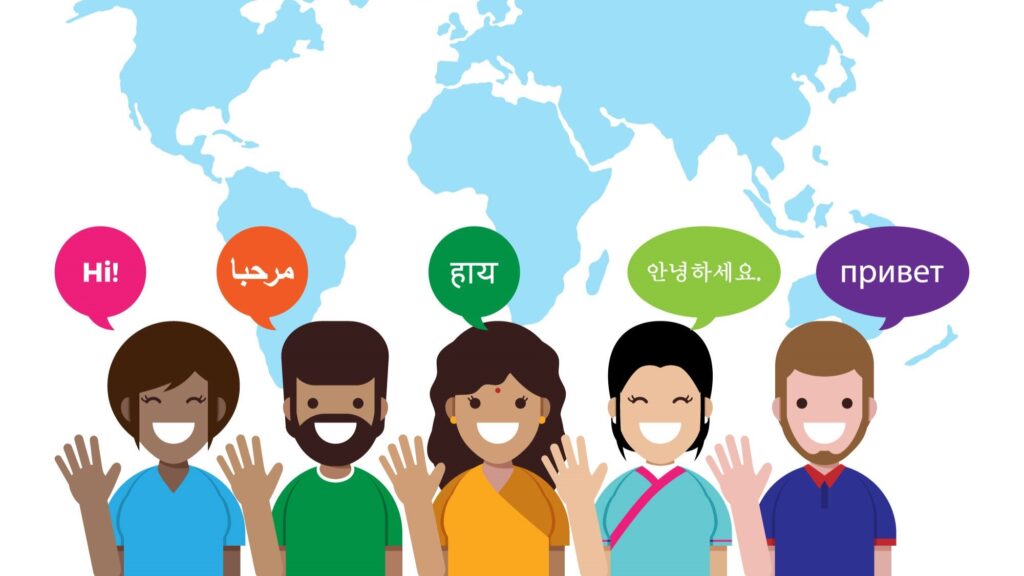
In today’s global digital world, businesses are expanding faster than ever across borders. Websites, mobile apps, e-learning platforms, and marketing campaigns now need to communicate with audiences in multiple languages. This growing demand has made translation services more important than ever. While Artificial Intelligence (AI) has transformed the speed and scale of translation, it still struggles with emotional tone, cultural context, and accuracy.
This is why the modern translation industry is shifting towards a hybrid model known as AI with human quality control in translation, where machines and human experts work together for better results. This approach ensures content is not only translated quickly but also refined by skilled linguists for clarity, relevance, and professionalism.
This blog discusses how AI, combined with human quality control in translation, creates accurate, scalable, and culturally meaningful content for global communication.
What is an AI translation?
AI-assisted translation refers to the use of advanced algorithms and machine learning models to automatically translate text from one language to another. Modern systems use Neural Machine Translation (NMT), which learns patterns from millions of multilingual examples.
Key Benefits of AI-assisted Translation
- Speed: AI can translate thousands of words in seconds.
- Cost Efficiency: Reduces dependency on fully manual processes.
- Multilingual Reach: Supports dozens of global languages instantly.
- Scalability: Ideal for large volumes of content.
Limitations of AI Translation
Despite its strengths, AI-assisted translation still has challenges:
- Misunderstanding idioms and metaphors.
- Poor handling of emotional tone.
- Weak cultural awareness.
- Difficulty with technical or legal terminology.
This is where human-in-the-loop translation becomes essential.
What Is Human Quality Control (QC) in Translation?
Human quality control in translation involves professional linguists reviewing, editing, and refining AI-generated translations. This process ensures the final output is accurate, culturally relevant, and suitable for real-world use.
Role of Human Experts
Human translators bring:
- Deep understanding of context.
- Cultural sensitivity.
- Industry-specific knowledge.
- Brand voice consistency.
Proofreading vs Full Human QC
| Proofreading | Human QC |
| Checks grammar only | Improves meaning and tone |
| Limited editing | Complete linguistic review |
| Surface-level | Context-driven corrections |
This is why AI translation quality assurance is incomplete without human expertise.
How AI + Human QC Works Together
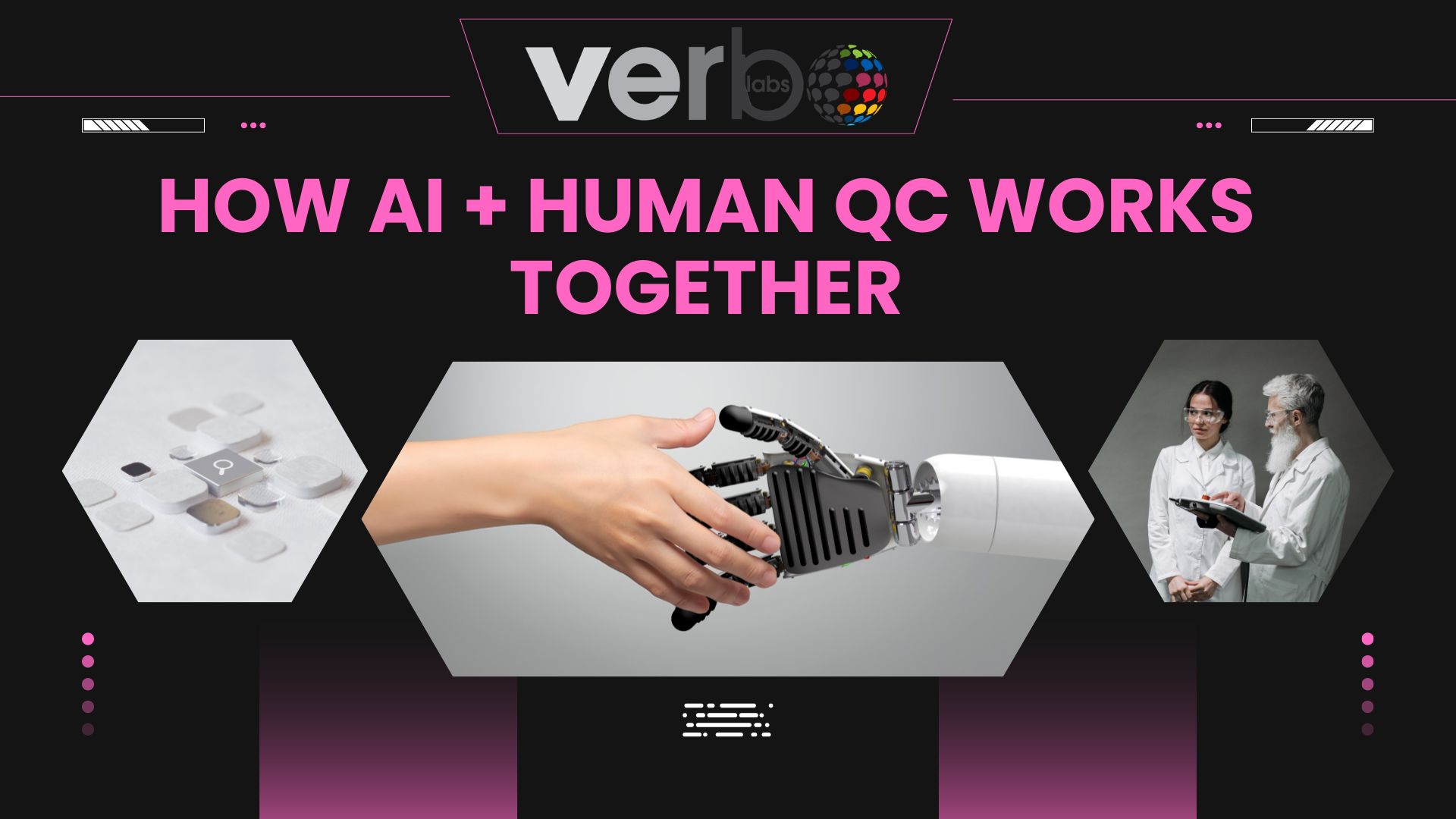
The combination of AI and humans follows a structured process known as Machine Translation Post-Editing (MTPE).
Step-by-Step Workflow
- AI generates the first translation.
- Human linguists review the draft.
- Cultural and contextual adjustments are made.
- AI translation quality assurance checks consistency.
- Feedback improves future AI outputs.
This human-in-the-loop translation model ensures both efficiency and reliability.
Benefits of Combining AI with Human QC
Combining AI and human experts creates a powerful translation process that balances speed, accuracy, and quality. This hybrid approach helps businesses communicate clearly with global audiences while avoiding common translation mistakes. Below are the key benefits of combining technology with human expertise.
1. Accuracy and Cultural Relevance
AI provides the basic structure of the translation, but humans add real meaning and cultural understanding. This ensures the message feels natural and avoids misunderstandings in different regions.
2. Faster Turnaround
With AI-assisted translation, content is translated quickly, and human editors can refine it more quickly. This allows businesses to meet tight deadlines without sacrificing quality.
3. Cost Efficiency
Hybrid workflows reduce the need for full manual translation, which saves money. At the same time, human review ensures professional results.
4. Brand Consistency
Human experts ensure the tone, style, and messaging remain consistent across all content. This helps businesses maintain a strong and trusted brand image.
5. Scalability
This model works well for both large companies and growing startups. It supports high volumes of content across many languages without losing quality.
Overall, this is why AI with Human Quality Control in Translation is now considered the industry standard for reliable and effective global communication.
Industries That Benefit Most
Many industries gain strong advantages from using professional translation services. In legal and compliance, documents such as contracts, agreements, and policies require high levels of accuracy because even small errors can cause serious problems.
In healthcare and pharma, patient information, medical instructions, and research content must be translated correctly to avoid misunderstandings and risks. For e-learning and training, educational courses need proper localization so that learners from different cultures can easily understand the content. In the field of technology and Software, user manuals, interfaces, and help centers demand clear and simple language for a better user experience.
In marketing and multimedia, campaigns must emotionally connect with audiences to create trust and engagement. In all these sectors, human-in-the-loop translation plays a key role in ensuring reliability, consistency, and high-quality communication.
Challenges and How to Overcome Them
One of the main challenges in modern translation is inconsistent AI output, where the same type of content may be translated differently each time. Another major issue is handling complex creative content, such as marketing messages or storytelling, which requires an understanding of emotions and cultural sensitivity. Additionally, maintaining a consistent tone and style across regular content updates is difficult for AI systems alone.
To overcome these problems, businesses should use adaptive glossaries that store approved terms and preferred language styles. It is also important to implement machine translation post-editing (MTPE), where human experts carefully review and improve AI-generated translations.
Applying continuous feedback loops helps AI systems learn from past corrections and improve future results. Most importantly, combining AI with expert linguists ensures that translations remain accurate, meaningful, and professional. Over time, this complete process significantly improves AI translation quality assurance and builds long-term reliability.
Why VerboLabs Excels in AI + Human QC Translation
VerboLabs is a leading provider of hybrid translation solutions that combine AI efficiency with human expertise.
Key Strengths
- Advanced AI tools with experienced linguists.
- Secure workflows for sensitive data.
- Industry-specific customization.
- Continuous improvement through learning systems.
Their focus on AI with Human Quality Control in Translation ensures global brands achieve flawless communication.
Conclusion
AI has transformed the translation industry by making multilingual content faster and more accessible than ever. However, speed alone isn’t enough. Without human involvement, AI often struggles with emotional depth, cultural context, and professional accuracy. This is where VerboLabs stands out by combining advanced AI with expert human quality control.
The real solution lies in AI with human quality control in translation, where machines handle speed and scalability, and human linguists refine the output for accuracy, tone, and cultural relevance. This hybrid approach ensures that every translation meets professional standards while maintaining efficiency.
With VerboLabs professional translation services, businesses can confidently scale their global communication. By adopting a human-in-the-loop translation model, companies gain a competitive advantage—delivering reliable, high-quality multilingual content that resonates with audiences across markets.

Scale your global content with AI translation with human QC—get started with VerboLabs today.
Frequently Asked Questions (FAQs)
It is a hybrid translation approach in which AI generates an initial draft, and human linguists review, refine, and validate it for accuracy and cultural relevance.
No, AI alone may miss context, tone, or cultural nuances, which makes human quality control essential.
It is significantly faster because AI accelerates the first draft while human QC ensures professional-quality output.
The legal, healthcare, technology, e-learning, and marketing industries benefit most from their need for precision and consistency.
VerboLabs combines advanced AI models with experienced human linguists, quality assurance checks, and continuous feedback loops.
MTPE is the process of professionally editing and improving AI-generated translations to meet quality standards.
Yes, it is appropriate for companies of all sizes because it strikes a balance between speed, quality, and cost.