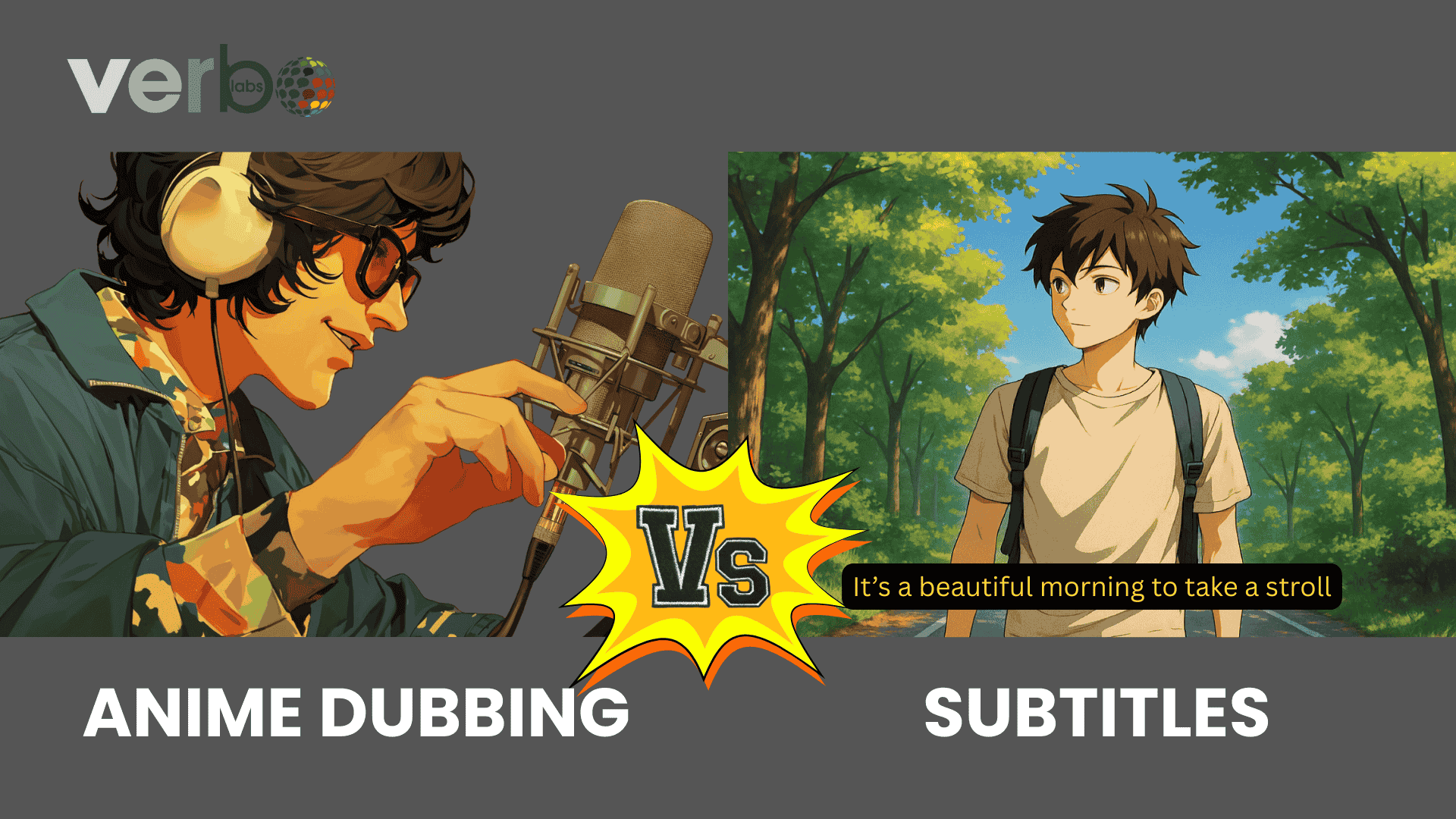
Anime has grown from a niche interest into one of the most powerful global entertainment industries. With streaming platforms releasing new episodes almost simultaneously worldwide, fans now enjoy more content than ever. Yet one debate has remained constant for decades: anime dub vs sub., anime dubbing vs. subtitles. Often called the “sub vs. dub anime” debate, it’s a topic that splits anime fans everywhere.
Should you watch anime dubbed or subtitles? Is it better to hear English voices or stick to the original Japanese? And what is the real difference between subtitles and dubbing?
In this in-depth guide, we explore everything about subs vs dubs, including cultural authenticity, accessibility, speed of release, anime dubbing quality, and how studios bring anime to global audiences. We’ll also cover the rise of hindi dubbed anime, anime dubbing in English, and AI-powered dubbing that is transforming how anime is localized today.
For studios, brands, and creators, we also share how professional dubbing and subtitling services can expand your audience worldwide.
What Is the Difference Between Subbed and Dubbed Anime?
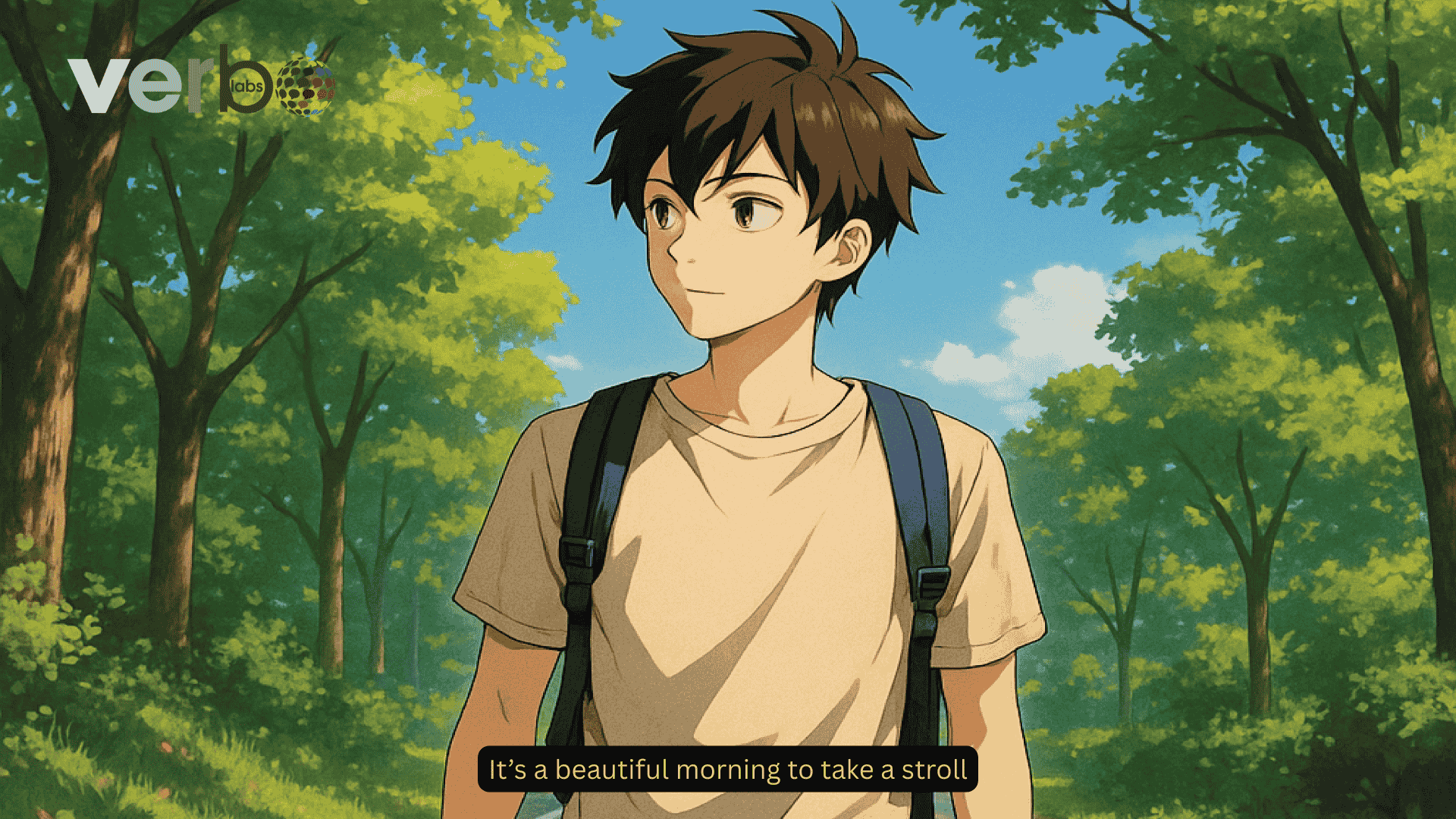
Anime dubbing vs subtitles has become one of the most debated topics among global fans, shaping how viewers experience their favorite shows. Anime can be localized in two major ways:
1. Subbed Anime (Subtitles)
You watch the original Japanese audio while reading anime subtitles.
This includes translation of dialogue, names, cultural references, and sometimes on-screen text.
For fans who want to experience every detail of the Japanese script, opting for specialized Japanese subtitling services can ensure nothing is lost in adaptation, especially when content is localized for a global audience.
By watching with subtitles, you stay closer to the original script, tone, and emotions, experiencing the story as it was first written and performed, without losing the cultural touches that make anime so special.
2. Dubbed Anime (Dubbing)
The original Japanese voice is replaced by voice actors in another language—English, Hindi, French, Spanish, etc.
This involves voice direction, lip-sync matching, timing, and sound engineering.If you want to experience how dubbing works for animation, explore our professional anime dubbing services.
Both versions have their pros and cons, and both have passionate fanbases.
Pros of Anime Subtitles (Subs)
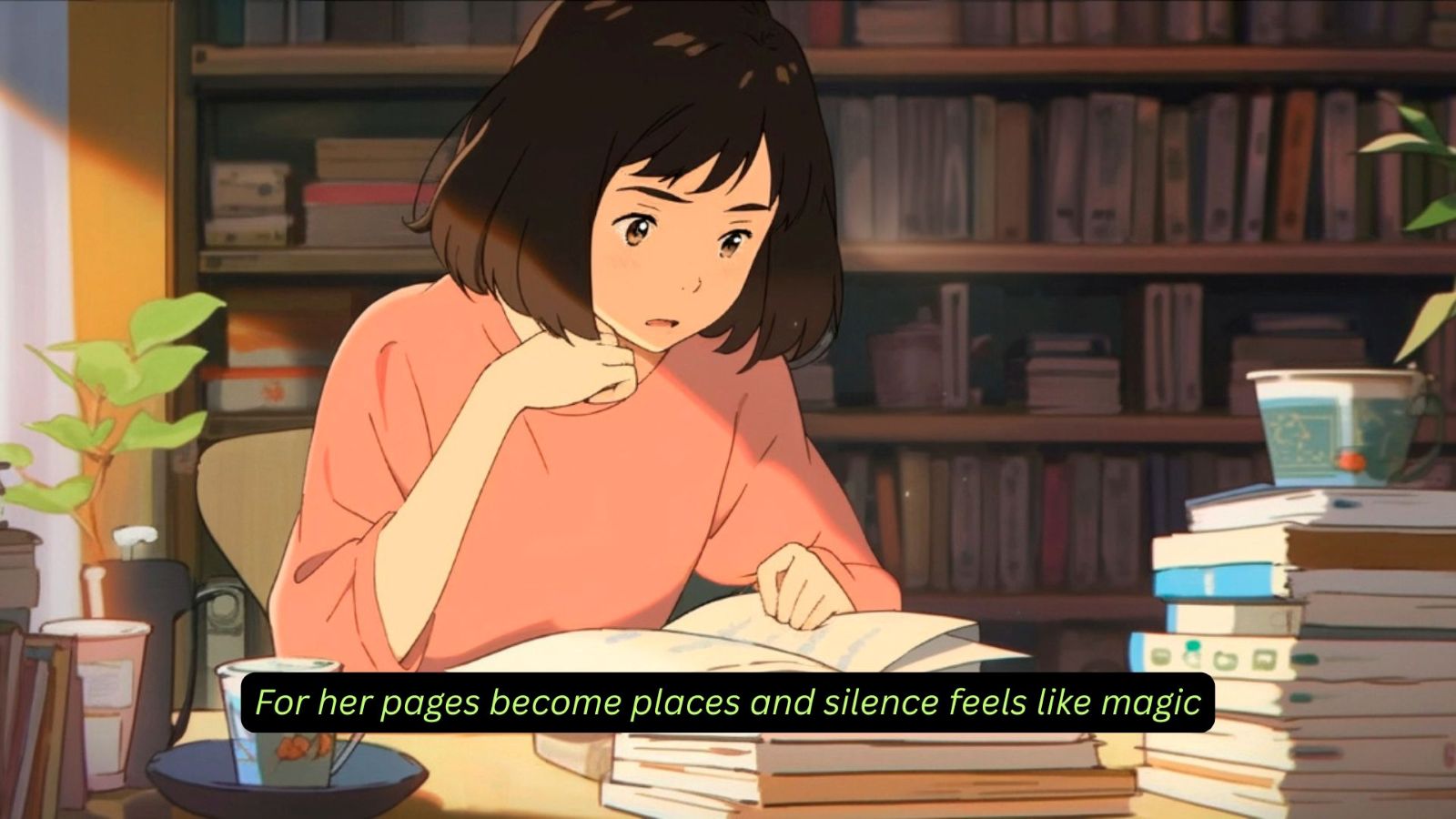
Many long-time fans prefer subbed anime because it stays closest to the original creative vision.
1. Authenticity & Cultural Nuance
Watching subbed anime lets you hear the original Japanese voice actors—called seiyuu—whose emotional range and delivery are often unmatched.
This preserves:
- Tone
- Cultural expressions
- Honorifics
- Original pacing
- Unique vocal performances
Subtitles often retain Japanese phrases like senpai, chan, or itadakimasu, which hold cultural value that is difficult to replicate in dubbing.
For creators and studios, accurate subtitles require expert translation and formatting. Professional Subtitling Services ensure proper timing, font subtitles, readability, and cultural clarity:
2. Faster Release Time
Subtitles take significantly less time to produce than dubbing.
Because dubbing requires:
- Script translation
- Adaptation
- Casting
- Anime dubbing artists
- Lip-sync matching
- Audio mixing
Subs usually come out much sooner. Fans who follow weekly episodes often choose subs simply because they release first.
3. Anime With Dub and Sub Options
Many fans watch both versions—subs for authenticity, and dubs later for convenience.
Anime like Naruto, Attack on Titan, and Jujutsu Kaisen are widely available with both anime dubbed or subtitle formats.
Pros of Anime Dubbing (Dubs)
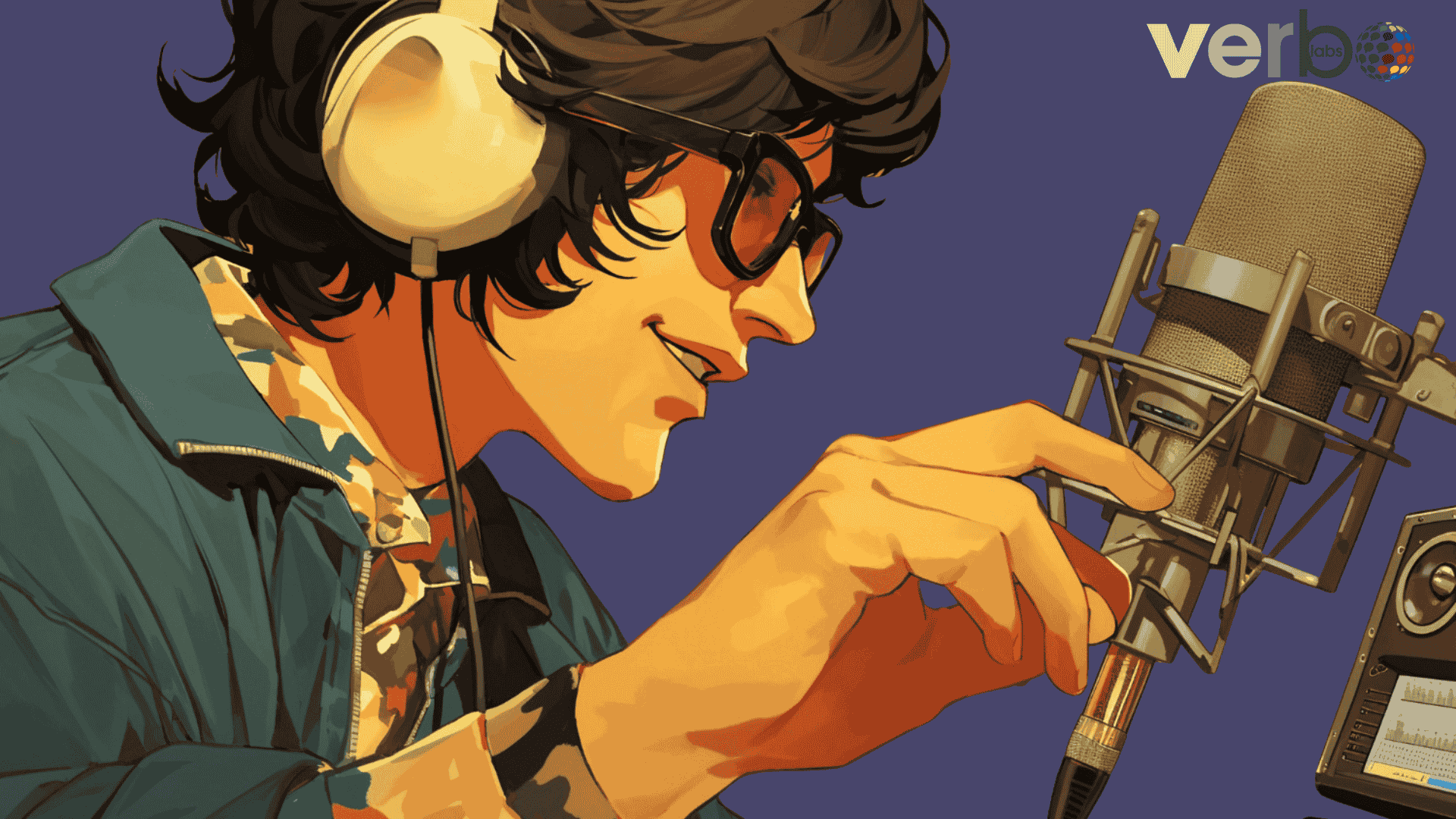
1. Accessibility & Easy Viewing
Dubs allow you to focus 100% on visuals without reading text.
This is extremely helpful for:
- Younger audiences
- Viewers with reading difficulties
- People watching casually
- Those with visual impairments
- Those who prefer audio in their native language
Quality dubbing brings characters to life with expressive performances from trained anime dubbing artists.
If you require a Dubbing or Voice over solution, then look out for Professional Dubbing Services or Voice over Services support.
2. Wider Audience Reach
Dubbed anime appeals to:
- Casual viewers
- Kids
- Movie/series fans entering anime for the first time
- English-speaking regions
- Growing Hindi dubbed anime markets
Great dubs can become iconic in their own right—for example, popular English dubs from Funimation and Crunchyroll have made anime more mainstream.
3. Fresh Voice Interpretations
While subs preserve original voices, dubs can create a new experience.
Some fans prefer English deliveries for comedy, action, or dramatic scenes, especially when performed by skilled dubbing artists.
Also read,
Anime Dub vs Sub: What Do Fans Prefer?
Over the years, surveys show that fans don’t all agree:
Sub Fans Say:
- “Japanese voice acting is better.”
- “Cultural expressions feel more original.”
- “Dubbing changes the meaning.”
Dub Fans Say:
- “It’s easier to watch without reading.”
- “I enjoy the emotional delivery in my language.”
- “English subtitles distract me.”
Some anime fans even switch between subtitles and dubbed depending on:
- Genre
- Mood
- Visual intensity
- Pace of the story
Anime With Dub Better Than Sub (Examples):
Some fans argue that the dub improves the experience, such as:
- Cowboy Bebop
- Black Lagoon
- Fullmetal Alchemist: Brotherhood
These are widely considered dubs that enhance the characters through strong English performances.
When Should You Choose Subtitles (Subs)?
Choose subtitles when:
- You want cultural accuracy
- You enjoy original Japanese acting
- You don’t mind reading
- You want episodes as soon as they release
- You like understanding Japanese phrases and context
Ideal for:
– Emotional dramas
– Slice-of-life
– Fantasy with heavy cultural influence
– Dialogue-rich series
If you’re creating subtitles for global audiences, expert movie subtitles and subtitle translation help preserve meaning across languages. Then look out for our Subtitling Services.
When Should You Choose Dubbing (Dubs)?
Choose dubbed anime when:
- You want to focus on animation
- You find reading subtitles tiring
- You prefer English or Hindi audio
- You watch with friends or family
- You want a relaxed viewing experience
Ideal for:
- Action-heavy series
- Fast-paced battle scenes
- Comedy
- Dubbing for children’s content
To create high-quality dubs that resonate with fans, explore Anime Dubbing Services.
Subtitles vs Dubbed: Which One Is Better?
There is no universal winner.
The choice depends on what you value more:
| Feature | Subtitles | Dubbed |
| Authenticity | Keeps original Japanese voices and cultural nuances. | Tone changes slightly due to new voice actors. |
| Accessibility | Requires reading while watching. | Easier to follow; no reading needed. |
| Cultural Nuance | Preserves original expressions and meaning. | Some nuances may change in translation. |
| Visual Focus | Reading subtitles may distract from visuals. | Let viewers focus fully on the animation. |
| Speed of Release | Releases faster. | Takes longer due to recording and mixing. |
For creators, offering both is the best strategy. Platforms that include anime dub and sub options appeal to a wider audience and increase viewership.
The Future of Anime Localization: AI Dubbing
With the rise of AI, dubbing has become faster, more scalable, and more cost-efficient.
AI dubbing can:
- Clone voices
- Match lip-sync
- Translate scripts
- Produce multiple language tracks
- Speed up production
Learn more about how AI is transforming anime localization here:
AI doesn’t replace human emotion—but paired with professional direction and QC, it creates a powerful hybrid workflow for anime distribution.
Subtitles and Dubbing Together: Best of Both Worlds
This dual offering ensures fans get the freedom to choose their preferred way of watching.
Studios also use a global localization pipeline, combining:
- Subtitles
- Dubbing
- Script adaptation
- Voice-over
- Sound mixing
All of which are essential for reaching global fans.
Conclusion: Sub vs Dub—Which Should You Choose?
In the end, the anime dubbing vs subtitles choice depends entirely on what enhances your viewing experience, with both formats offering unique benefits for fans worldwide. The decision ultimately depends on what matters most to you:
- Authenticity? → Go for subtitles
- Convenience? → Choose dubbing
- Enjoy both? → Switch anytime
For creators, production houses, and anime studios, the best strategy is to offer both. Subtitles preserve emotion and authenticity, while dubbing increases reach and accessibility.
If you want professional localization for anime—including dubbing, voice-over, subtitling, AI dubbing, and global distribution- VerboLabs provides end-to-end solutions.

Bring your anime to life for global fans—explore VerboLabs’ expert dubbing and subtitling services today!
FAQs
AI helps generate faster and more accurate anime subtitles by automatically translating spoken dialogue, detecting timing cues, and adjusting text placement. It speeds up the subtitling process and improves consistency while still requiring human review for cultural accuracy.
Subtitles often differ because translators adapt phrases to match cultural context, reading speed, and screen timing. Japanese expressions don’t always translate literally, so subtitles are rewritten to be clear, natural, and easy for viewers to understand.
Anime dubbing involves script translation, line adaptation, casting voice actors, recording dialogue, and syncing the new lines to character lip movements. After that, audio engineers mix the voices, sound effects, and music to create a polished final dub.
Yes, with advanced AI voice cloning, it’s possible to recreate original voices in other languages. However, studios need permission and licensing rights to use or replicate a character’s or actor’s voice legally.
Dubbing in anime is the process of replacing the original Japanese audio with voice performances in another language, such as English or Hindi. The goal is to make the anime accessible to audiences who prefer listening rather than reading subtitles.
To begin dubbing anime, develop clear voice acting skills, learn mic techniques, and practice matching lip movements. You can start by recording fan dubs, building a voice sample portfolio, improving language skills, and auditioning for anime dubbing studios.
Voice-over adds a new voice on top of the original audio, often used for narration or translation. Dubbing replaces the original voice entirely and syncs dialogue to lip movements, creating a more natural, language-specific viewing experience.