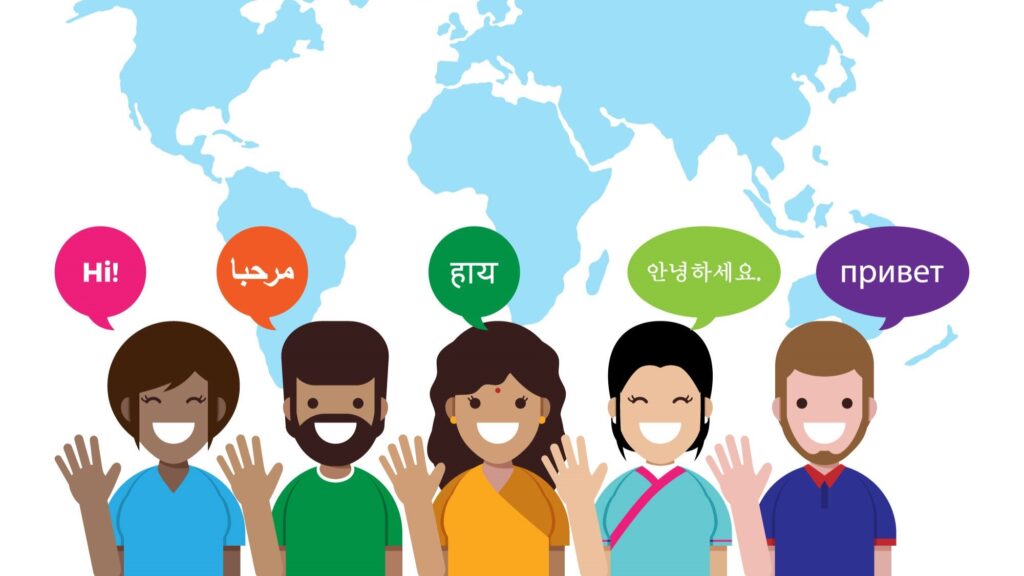


A few years ago, dubbing video content into multiple languages felt like something only large studios or streaming giants could afford. Now, even smaller businesses, YouTubers, coaches, and eLearning brands are doing it regularly — mostly because AI dubbing tools have made the process faster and cheaper.
Still, one question comes up almost every time someone explores these tools for the first time:
“How much does AI dubbing actually cost?”
The answer is a little messy because pricing changes depending on what you need. A short explainer video with one AI voice is very different from dubbing a full training course into ten languages with lip sync and voice cloning.
Some businesses spend very little. Others end up paying more than expected once revisions, translations, and language expansion enter the picture.
So instead of throwing random numbers around, let’s look at what usually affects pricing and whether AI dubbing is genuinely worth it.
How Much Does AI Dubbing Actually Cost?
There isn’t one universal price for AI dubbing. Different platforms charge differently, and honestly, the quality gap between providers can be huge.
Some charge monthly subscription fees. Others work on a pay-per-minute model. Enterprise providers often create custom pricing depending on the number of languages and the amount of content involved.
In most cases, the final cost depends on things like:
- Video length
- Number of languages
- Voice quality
- Lip-sync features
- Human review
- Translation accuracy
- Commercial usage rights
For example, dubbing a short internal training video into Hindi might stay relatively affordable. But if you’re localizing a product launch video into Spanish, French, German, Japanese, and Arabic with realistic voice matching, the cost climbs quickly.
A lot of businesses also forget to account for revisions. That part matters more than people expect. AI voices are fast, but sometimes pronunciation, timing, or tone still needs tweaking.
And yes, free plans exist. But they usually come with limitations — robotic voices, watermarks, export restrictions, or capped minutes.
AI Dubbing Service Cost vs Human Dubbing
Traditional dubbing is expensive for a reason. It involves multiple people and several production stages.
Usually, the process includes:
- Voice actors
- Recording studios
- Sound engineers
- Dialogue adaptation
- Audio editing
- Sync corrections
That workflow takes time. Coordinating schedules alone can slow projects down.
AI dubbing removes a lot of those production layers. Instead of booking studios and managing multiple recording sessions, businesses can generate dubbed versions much faster.
Here’s the basic difference most companies notice:
Type Typical Cost Delivery Speed
Human dubbing Higher Several days or weeks
AI dubbing Lower Often within hours
That doesn’t mean AI is automatically “better.” Human performances still feel more natural in emotional storytelling, films, or dramatic content.
But for training videos, tutorials, explainers, marketing clips, and social media content, many businesses simply prefer the speed and lower operational cost.
General cost range by platform
Most AI dubbing providers follow one of these pricing structures:
- Subscription plans
- Pay-per-minute billing
- Usage credits
- Enterprise licensing
Smaller creators often choose subscription tools because they’re predictable month to month. Larger businesses usually need custom workflows, better security, and human review support.
One thing worth mentioning — the cheapest platform is not always the cheapest decision.
Some low-cost tools sound flat or unnatural once the video is exported. Others struggle with accents or awkward sentence pacing. If viewers notice the dubbing feels “off,” the savings stop feeling useful pretty quickly.
The Rising Demand for AI Dubbing
AI dubbing is growing fast because content production itself has exploded.
Brands publish videos constantly now. Online educators upload lessons weekly. YouTubers want global audiences. Companies train remote teams across multiple countries.
And creating separate productions for every language simply isn’t practical anymore.
That’s where AI dubbing becomes attractive. Instead of rebuilding content from scratch, businesses can localize existing videos much faster.
There’s also a viewer preference angle here. People naturally engage more with content in their own language. That part hasn’t changed.
What has changed is how quickly localization can happen.
A process that once took weeks can now happen in a day or two — sometimes even faster.
Benefits of AI Dubbing Platforms
Most businesses initially look at AI dubbing for cost savings. But after using it, they usually appreciate the speed and convenience more.
Modern platforms combine several things in one workflow:
- Translation
- AI voice generation
- Lip sync
- Subtitle creation
- Multi-language exports
That saves a surprising amount of production effort.
Instead of juggling translators, editors, and separate voice artists, teams can manage localization in one place.
Key benefits: speed, scale, and savings
A few practical advantages stand out:
Faster turnaround
Teams can localize content much quicker than traditional dubbing pipelines.
Easier scaling
One video can be adapted into multiple languages without repeating full recording sessions.
Lower production overhead
There’s less dependency on studios and large voice teams.
More consistent output
Brands can maintain similar voice styles across different videos.
Better accessibility
Content becomes easier for international audiences to understand and engage with.
That said, fully automated dubbing still has weak spots. Sometimes the delivery sounds too polished. Sometimes pronunciation misses context. Human review still improves quality quite a bit.
Is Dubbing AI Legit? How to Choose a Trustworthy Service
This is probably one of the biggest concerns businesses have before investing in AI dubbing.
And honestly, the concern makes sense.
Some tools market themselves aggressively but deliver voices that still sound stiff or unnatural. Others handle translation poorly, especially with regional expressions or industry-specific language.
So yes, the platform matters a lot.
Evaluation checklist
Before choosing an AI dubbing provider, it helps to check a few basics:
- Does the voice sound natural?
- Are multiple accents available?
- Is there human quality review?
- How accurate are translations?
- Does the platform support lip sync?
- Are commercial rights clearly explained?
- Is customer support responsive?
- How secure is uploaded content?
If possible, test a short sample first.
A demo often tells you more than a pricing page ever will.
Why VerboLabs is the Smarter Choice
VerboLabs takes a more balanced approach instead of depending entirely on automation.
The company combines AI dubbing technology with human localization review, which usually produces more natural results compared to fully automated systems.
That extra human layer helps with things AI still struggles with — tone, phrasing, pronunciation, and cultural context.
Key Features
Some useful capabilities include:
- AI dubbing in multiple languages
- Human-assisted quality checks
- Lip-sync support
- Subtitle services
- Faster turnaround times
- Voice customization
Support for marketing, media, eLearning, and enterprise projects
For businesses that care about both speed and quality, that hybrid setup tends to work better.
Use Cases: Who Benefits from AI Dubbing?
AI dubbing works particularly well for businesses producing regular video content.
Some common examples include:
- Online courses
- YouTube channels
- Product walkthroughs
- Corporate training
- Marketing campaigns
- OTT localization
- Healthcare explainers
- Internal communications
An educator, for instance, can turn one English course into multiple regional-language versions without re-recording every lesson manually.
The same thing applies to marketing teams trying to reach audiences in different countries quickly.
Final Verdict: Is AI Dubbing Worth It?
For many businesses, yes — especially when speed matters.
AI dubbing is not perfect, and it probably won’t replace high-end human dubbing for emotional film performances anytime soon.
But for digital content, training material, tutorials, and business communication, it’s becoming a very practical solution.
The biggest advantage is scalability. Companies can expand into more markets without rebuilding their entire production process each time.
Still, quality should never be ignored just to save money. Poor dubbing stands out immediately, and viewers notice it faster than many brands expect.
That’s why a mix of AI efficiency and human review usually produces the best results.
Conclusion
AI dubbing has changed the economics of video localization quite a bit.
What used to require large budgets and complicated production schedules can now happen much faster and often at a lower cost.
Pricing depends on the platform, number of languages, voice quality, and workflow complexity. But overall, AI dubbing gives businesses a more scalable way to reach multilingual audiences.
The important part is choosing a provider that focuses on quality as much as automation.
Because at the end of the day, viewers care less about the technology behind the dubbing — and more about whether the content feels natural when they watch it.

Ready to Dub Smarter?
Get a free consultation or quote from VerboLabs and bring your content to global audiences—accurately, affordably, and at scale.
FAQs
Usually, yes. Lip sync requires additional processing to match spoken audio with facial movements, so many providers treat it as a premium feature.
Some platforms offer free trials or demo credits, though they often limit export quality, usage rights, or available languages.
Yes, most of the time. AI dubbing reduces costs of studios, recording sessions and production timelines, reducing overall expenses.
Additional language means additional translation, voice generation, synchronization and quality review needs – which naturally, increase the price.
That’s the case for many organizations. AI dubbing helps training content reach wider audiences faster, without a significant increase in production costs.