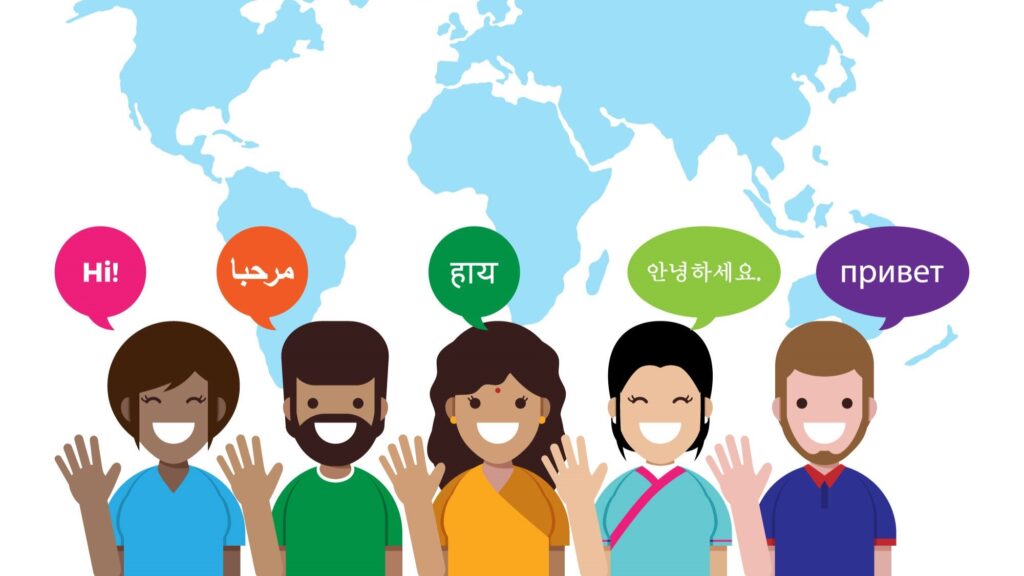

Nowadays, businesses are no longer bound by locations in the hyper-connected world. A startup in India can attend to customers in Europe, manage a team in Southeast Asia and work together with partners in North America at the same time. While technology has made global expansion easier, true success in international markets depends on something far more human: cultural awareness in business.
Cultural awareness does not only involve being aware of what a person speaks. It is all about knowing how others think, communicate, make decisions and develop trust. What is perceived to be a polite and professional message in one culture can be cold, confusing, or even offensive in another culture. These are the areas that most businesses in the world fail in.
Globalization is increasingly becoming important, and cultural awareness has never been so crucial. Those businesses that are not adapting culturally may expect to lose opportunities, spoil relationships, and miscommunicate. However, companies that make investments in cultural sensitivity have better teams, customer loyalty, and competitive advantage.
This is where VerboLabs comes in very handy. VerboLabs, as a reliable company offering language, translation, and localization services, will assist businessmen and women in communicating with one another across borders in a manner that is clear, respectful, and natural, and this way, it is clear that global messages will be heard and felt locally in the world.
What is Cultural Awareness?
Cultural awareness is a concept that is used to identify, appreciate and honour differences in culture with regard to values, behaviours, communication styles and social norms. In business, it is the ability to adjust your communication, negotiation, marketing and collaboration approach depending on the customer’s cultural environment.
In practical terms, cultural awareness in business applies to:
- The style of writing emails and presentations.
- The way meetings and negotiations are held.
- The way marketing messages are packaged.
- The way feedback is received and given.
As an instance, direct communication is welcome and regarded as effective in certain cultures. In other situations, one uses indirect language and diplomacy so as not to ruin harmony. Even well-intended messages can cause misunderstanding without cultural awareness.
The list of cultural misunderstandings that have an impact on global business is endless. Failure of marketing campaigns because of slogans that have not been localized well, failure of business deals because of inappropriate negotiation styles, and lack of success in global teams because of unacknowledged cultural expectations are all examples of how cultural awareness is not discretionary but mandatory.
Also read,
- Unlocking Connections: The Essential Role of Language and Communication in Our Lives
- How Language Shapes Superstitions Across Cultures
- How VerboLabs Helps Global Localization for Business Growth?
Cultural Awareness’s Significance in International Business

1. Enhances Teamwork in Multinational Teams.
Multicultural teams are associated with a variety of points of view and abilities, yet cultural disparities also can be a source of tension. Cultural differences in international teams can assist leaders in handling the evenings, communication styles, and work institutions in a better manner. Cultural awareness brings about respect, cooperation and inclusion, resulting in increased productivity and morale.
2. Eliminates Miscommunication within Business.
There are a lot of business wars that are not based on ill intentions, but misunderstandings. Even a mere phrase, gesture, or tone may have entirely different meanings within different cultures. Cultural awareness minimises chances of an embarrassing misunderstanding in negotiations, contracts and partnerships.
3. Helps Customise Marketing Programmes to Local Markets.
What has been successful in one market might fail totally in a different region. Cultural understanding enables brands to localize visual imagery, message, humour, and references in such a way that they make sense to the local values and expectations. Localization is a business tool that comes in handy here.
4. Establishes trust among clients and partners across the globe.
People feel understood and respected, which will help to build trust. Being culturally sensitive in a business indicates to the clients and business partners that you do not just appreciate their market but also their culture. This reinforces the relationship in the long run and brand credibility.
Cultural Differences That Matter
The beginning of cultural awareness is the identification of differences that have the most significant influence on business communication.
a. Language and Style of Communication.
Formal language and structured communication are welcome in some cultures, whereas in some cultures, casual and conversational communication is welcome. Even in the same language, the tone and phrasing may be very different in different regions.
b. Non-Verbal Cues
Facial expression, personal space, gestures and eye contact all have cultural implications. What feels like a friendly gesture in one culture will not necessarily be appropriate or even offensive in another culture. These are some of the pitfalls that can be avoided through cultural awareness.
c. Corporate Mannerisms and Decision-Making Standards.
In some societies, people make decisions within a short time. In other words, the decision-making process takes time and consensus. The knowledge of these norms is important in negotiations and the planning of projects.
d. Cultural References, Traditions, and Holidays.
A brand that notes local holidays and/or references cultural elements not known to the locals can appear detached. Cultural sensitivity through respecting traditions enhances the local involvement.
How Language Services Enhance Cultural Awareness

One of the most potent means of developing cultural awareness on a large scale is language services.
1. Translation and Localization.
Whereas translation is concerned with the process of translating a text into another language, localization is concerned with modifying a text to accommodate cultural norms, tastes and expectations. Localization plays a very important role in cultural awareness, so that the message would be natural, relevant, and respectful to the target audience.
2. Subtitling and Dubbing
In the case of global video content, subtitling and dubbing cannot be limited to a simple translation. Cultural allusions, humour, and tone must be adjusted to ensure that the audience relates to the content on an emotional level.
3. Training and Marketing Multilingual Content.
International institutions tend to use training resources, online learning tools and promotional resources. Multilingual, culturally adapted information makes sure that the regions have the same understanding.
4. VerboLabs’ Expertise
VerboLabs focuses on international adaptation and localization of content in any industry. VerboLabs assists companies in communicating all over the world without losing their essence and intentions by integrating linguistic knowledge and cultural intuition.
Challenges in Cultural Awareness
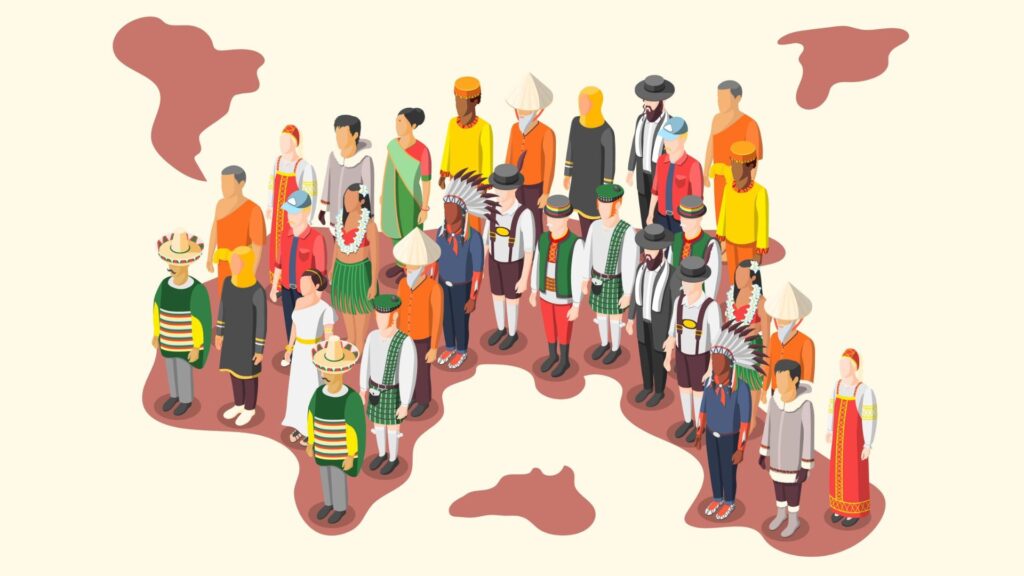
Cultural awareness is not easy to attain, regardless of the intentions.
1. Misunderstanding of Nonverbal Cues.
Cultural subtleties are not always visible, and it is difficult to notice them and avoid making an unwanted mistake.
2. Assumptions and Biases about Culture.
It is a mistake to assume that cultural standards are universal and will destroy relationships. The awareness needs constant learning and receptiveness.
3. Automated translation dangers.
Translating tools can be automated, and they are able to read some words correctly, but they lack cultural context, tone, and intent. It may lead to ineffective or dissimilar communication.
4. Common Pitfalls
Bad brand reputation and trust can be caused by the presence of bad websites that are poorly localized and marketing imagery that is culturally insensitive.
How VerboLabs Supports Cultural Awareness
VerboLabs is the intercultural voice, as it provides all-encompassing language solutions that can be used by multinational businesses such as:
- Localized and professional translation and localization.
- Localization of multicultural subtitling, dubbing and e-learning.
- Intensive understanding of the local subtleties and business lingo.
- Make sure that worldwide communication sounds local without any distortion of its initial meaning.
- VerboLabs supports organisations to cross the border and communicate confidently by emphasising both the language and the culture.
Conclusion
Cultural awareness can no longer be a nice-to-have skill; it is a business requirement. The key in a globalized economy lies in how organisations comprehend and appreciate cultural variations in communication, collaboration, and customer interaction. From reducing miscommunication to building trust and improving collaboration, cultural awareness in business plays a direct role in sustainable global growth.
Cultural sensitivity and effective communication in a global context become far more impactful when supported by professional translation and localization services. VerboLabs helps businesses overcome language and cultural barriers through expert translation, localization, and cultural adaptation, ensuring content resonates accurately with diverse global audiences.
Ensure your global communication is culturally accurate with VerboLabs.

Ensure your global communication is culturally accurate and market-ready. Partner with VerboLabs for professional translation and localisation services that truly connect across borders.
Frequently Asked Questions (FAQs)
Cultural awareness in business is the understanding of different cultural norms, behaviours, and communication styles to interact effectively across international contexts.
It reduces miscommunication, builds trust, and improves collaboration between team members from different cultural backgrounds.
Language carries cultural nuance. Accurate translation and localization ensure that messages are culturally sensitive and properly understood by global audiences.
Yes. Organisations can provide training programmes to educate employees on cultural differences, communication styles, and etiquette in various regions.
* Research local culture
* Use professional translation and localization
* Avoid idioms or humour that may not translate
* Adapt marketing and training content for local audiences
VerboLabs ensures content, translations, and multimedia materials are culturally adapted, helping businesses communicate effectively across languages and regions.
Global marketing, e-learning, legal, healthcare, technology, and entertainment industries benefit significantly, as messaging must resonate with diverse audiences.