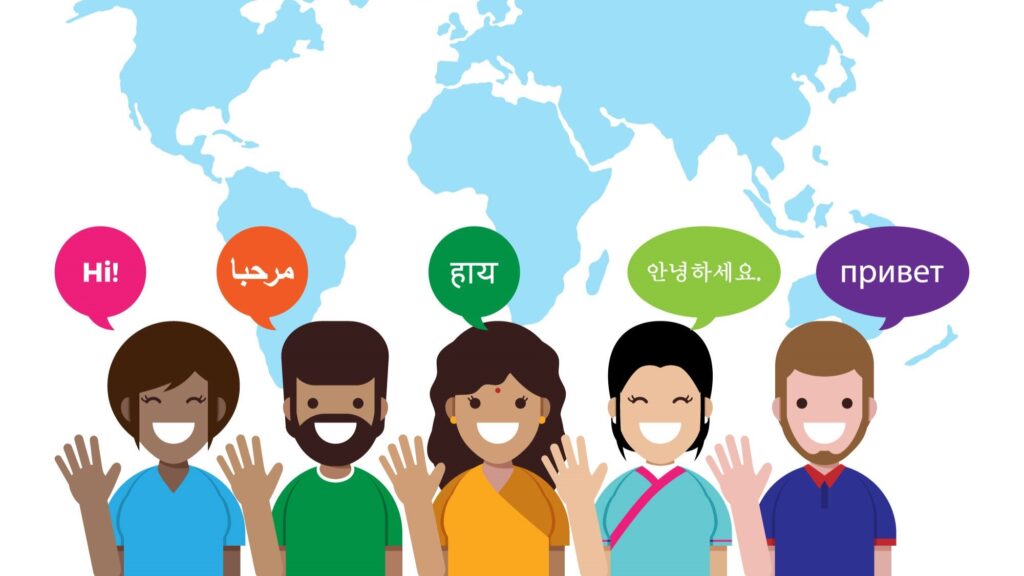
When people talk about how communities communicate, two words often come up: language and dialect. While they sound similar, each has its own role in shaping identity, culture, and communication. Whether you’re curious about dialect vs language, comparing dialect vs accent, or simply wondering what dialect means, this guide explains everything clearly with examples and real-world relevance.
What Is a Dialect?
A dialect is a regional or social variation of a language spoken by a particular group. It includes differences in vocabulary, pronunciation, grammar, and sometimes tone. Dialects develop naturally over time as communities evolve differently based on geography, culture, and social conditions.
Key Features of a Dialect
1. Vocabulary Differences
Different words are used for the same idea.
- Example: In the U.S., people say “cookie”, while in the U.K., it’s “biscuit.”
Both belong to English but reflect different dialects.
2. Pronunciation Variations
Sounds, stress, and rhythm can differ.
- Example: The pronunciation of “water” varies significantly in American, British, and Indian English.
3. Grammar Variations
Local grammar rules may differ from standardized forms.
- Example: African American Vernacular English (AAVE) uses the habitual “be” (e.g., “They be playing”)—a grammatical feature unique to that dialect.
Examples of Dialects Within Major Languages
- English: American English, British English, Nigerian English
- Arabic: Egyptian Arabic, Maghrebi Arabic, Levantine Arabic
- Spanish: Colombian Spanish, Castilian Spanish, Chilean Spanish
These varieties show that dialects are not “wrong” versions but legitimate forms shaped by culture, society, and history.
What Is a Language?
A language is a complete system of communication with its own vocabulary, grammar rules, and structure. It allows people to communicate ideas, emotions, and information through speech, writing, or signs.
Key Features of a Language
1. Standard Structure
Every language follows grammatical rules for forming sentences.
2. Symbols
Languages use written symbols, sounds, or gestures understood by a community.
3. Cultural Identity
Languages reflect traditions, values, and historical evolution.
4. Continuous Evolution
New words, slang, and expressions keep languages dynamic.
Examples of Independent Languages
- Hindi
- Korean
- Portuguese
- Swahili
- Japanese
Each has its own formal grammar, writing system, and cultural identity.
Also read,
- Unlocking Connections: The Essential Role of Language and Communication in Our Lives
- The Most Spoken Languages in the World: A Global Overview
- Unlocking Growth: Key Benefits of Language Localization Services
Dialect vs. Language: What’s the Difference?
People often ask: Is language and dialect the same? Not exactly. Here’s how they differ.
1. Status and Recognition
- Language: Usually recognized by institutions or governments.
- Dialect: Rarely has official status.
2. Standardization
- Language: Has standardized grammar, dictionaries, and writing conventions.
- Dialect: More flexible and influenced by local communities.
3. Literature & Media
- Language: Often used for books, films, news, and education.
- Dialect: More common in conversations, storytelling, folklore, and regional entertainment.
4. Mutual Intelligibility
This means speakers can understand each other.
- Some dialects of the same language are mutually intelligible (e.g., Mexican vs. Colombian Spanish).
- Some languages are not mutually intelligible, even if politically grouped together (e.g., Mandarin vs. Cantonese).
Dialect vs. Accent: Are They the Same?
Many confuse dialect vs accent, but they’re different.
- Accent = Only pronunciation differences
- Dialect = Pronunciation + vocabulary + grammar differences
Example: Two people may share the same dialect but have different accents.
Dialect vs Vernacular
A vernacular is everyday, informal speech used by people in a region. A dialect can be formal or informal and includes complete linguistic features.
Example:
- Vernacular Hindi spoken on the streets differs from the standardized Hindi used in textbooks.
Dialect vs Dialogue
Sometimes people mix up dialect with dialogue.
- Dialect = Variation of a language
- Dialogue = Conversation between two or more people
They are not related in meaning.
How Do Dialects Relate to Languages?
If you’re thinking how does dialect relate to language, here’s the simplest explanation:
A dialect is a branch of a language.
A language is the tree.
Dialects evolve from languages, and some dialects eventually become independent languages when they gain political, cultural, or official recognition.
Example: Serbian and Croatian were once dialects of Serbo-Croatian but later became recognized as separate languages.
Why Do Dialects Matter?
1. Cultural Identity
Dialects carry the history, traditions, and values of a region.
Example:
- People in Scotland speaking Scots English use words like “wee” (small) and “aye” (yes), reflecting their cultural heritage.
- Bavaria in Germany preserves its Bavarian German dialect, which carries traditional songs, local folklore, and centuries-old cultural practices. In Spain, Andalusian Spanish reflects regional expressions, proverbs, and storytelling traditions unique to that area. Similarly, Indian states like Punjab and Tamil Nadu have dialects that keep alive local stories, folk music, and customs, highlighting the rich cultural diversity within the country.
2. Community Belonging
Speaking a dialect gives people a sense of connection and pride within their community.
Example:
- Someone using Cockney English in East London feels a sense of belonging within their local community. Similarly, someone speaking Mumbai’s Bambaiya Hindi instantly feels connected to fellow Mumbaikars. In Montreal, speaking Quebec French creates immediate cultural resonance and shared identity among locals.
- A person using Southern American English expressions like “y’all” feels at home around others who speak the same way.
3. Evolution of Languages
Many full languages started as dialects that grew independently over time.
Example:
- Italian was once a collection of dialects; the Tuscan dialect eventually became the standard language.
- Norwegian and Danish evolved from dialects of Old Norse but later developed into distinct languages. Over time, differences in pronunciation, vocabulary, and writing conventions led to their recognition as separate languages, even though speakers can often understand each other in everyday conversation.
4. Use in Art & Media
Writers, filmmakers, and musicians use dialects to make characters and stories realistic.
Example:
- Money Heist / La Casa de Papel (Spain): European Spanish with regional slang gives the series its unique tone; the dialect contrasts strongly with Latin American Spanish.
- Authors like Mark Twain used Southern American dialects in The Adventures of Huckleberry Finn to represent characters authentically.
Dialects and Language in Localization & Translation
When businesses target global audiences, understanding dialect differences becomes essential. A professional Translation & Localization Service ensures every message feels natural, culturally accurate, and region-specific.
Why Dialect Awareness Matters
1. Correct Tone and Vocabulary
Choosing the wrong word or tone can change the meaning entirely.
Example:
- In Mexican Spanish, “coche” means car, but in Argentinian Spanish, it can be slang with a different meaning.
A Translation & Localization Service avoids such mistakes.
2. Accurate Cultural References
Different regions understand references differently.
Example:
- British English speakers understand “football” as soccer, while American audiences see it as NFL football.
3. Better Brand Connection
Brands sound more relatable when they use the audience’s natural dialect.
Example:
- Using Arabic dialects (Egyptian Arabic for entertainment, Gulf Arabic for business) helps brands reach the right audience.
4. Avoiding Offense or Misinterpretation
A word harmless in one region might be offensive elsewhere.
Example:
- The word “pajero” is a common term in Spain but offensive slang in Latin America.
How Dialects Affect Translation
1. Unique Words and Idioms
Idioms often differ even within the same language.
Example:
- Brazilian Portuguese uses “dar um jeitinho” (find a workaround), but this phrase is unknown in European Portuguese.
2. Regional Pronunciation (Important for Dubbing & Voice-Overs)
Pronunciation changes meaning and emotional tone.
Example:
- English dubbing for Nigeria, India, or South Africa each requires different pronunciation styles.
3. Sentence Structure Changes
Dialects rearrange sentences differently.
Example:
- In Hong Kong Cantonese, sentence particles add emotion, which must be preserved in translation.
4. Cultural Context & Sensitivity
A phrase acceptable in one region may be misunderstood elsewhere.
Example:
- Humor translated for Tokyo won’t work the same way for Osaka, as both have distinct comedic styles within Japan.
Example: Brazil vs Portugal
Even though both countries speak Portuguese, a Translation & Localization Service must adapt:
- Vocabulary: “Bus” = ônibus (Brazil) vs autocarro (Portugal)
- Tone: Brazil uses more informal tone in marketing
- Idioms: Everyday expressions differ entirely
Using the wrong version can confuse users or weaken brand engagement.
Conclusion
Dialects play a major role in shaping how people interpret meaning, emotion, and intent. When businesses expand across regions, recognizing these linguistic differences becomes key to building trust and delivering messages that feel authentic to every audience. Effective translation and localization hinge on understanding not just the language, but the cultural identity behind each dialect.
With the right partner, ensuring this level of accuracy becomes effortless. Teams like VerboLabs help brands communicate confidently across markets through carefully tailored translation and localization services that respect every regional voice. In a world where connection matters, speaking the right dialect makes all the difference.

Unlock accurate, culturally aware translations for your global audience with VerboLabs’ professional Translation & Localization Services. Connect with us today!
Frequently Asked Questions (FAQs)
A dialect is a regional or social variation of a language, with unique vocabulary, pronunciation, and grammar. It reflects local culture, history, and traditions while remaining part of a broader language system.
Examples of dialects include Bavarian German in Germany, Quebec French in Canada, and Mumbai’s Bambaiya Hindi in India. Each carries distinct expressions, pronunciation, and cultural nuances.
Not exactly. A dialect is a variation of a language. But political and cultural factors sometimes influence whether a dialect is considered a language.
An accent changes only pronunciation.
A dialect changes pronunciation, words, and grammar.
Cockney English in East London is a famous dialect, known for its unique pronunciation, rhyming slang, and cultural identity.
If it has official recognition, standardized grammar, and wide formal use—it’s usually a language. If it’s used regionally with local traits—it’s often a dialect.
Mandarin Chinese has the most dialects in the world, including Mandarin, Cantonese, Wu, Min, Hakka, Gan, and Xiang, each with unique pronunciation, vocabulary, and grammar.
Because communities evolve differently. Migration, culture, climate, geography, and historical events all shape dialects.
Dialects branch out from a language and show how diverse the language can be across regions and communities.
While a language is a standardized system of communication with formal grammar and wide recognition, a dialect is a regional or social variation within that language. Dialects may lack formal recognition but enrich the language culturally and linguistically.
English has many dialects, including:
British English, American English, Australian English, Scottish English, Jamaican English