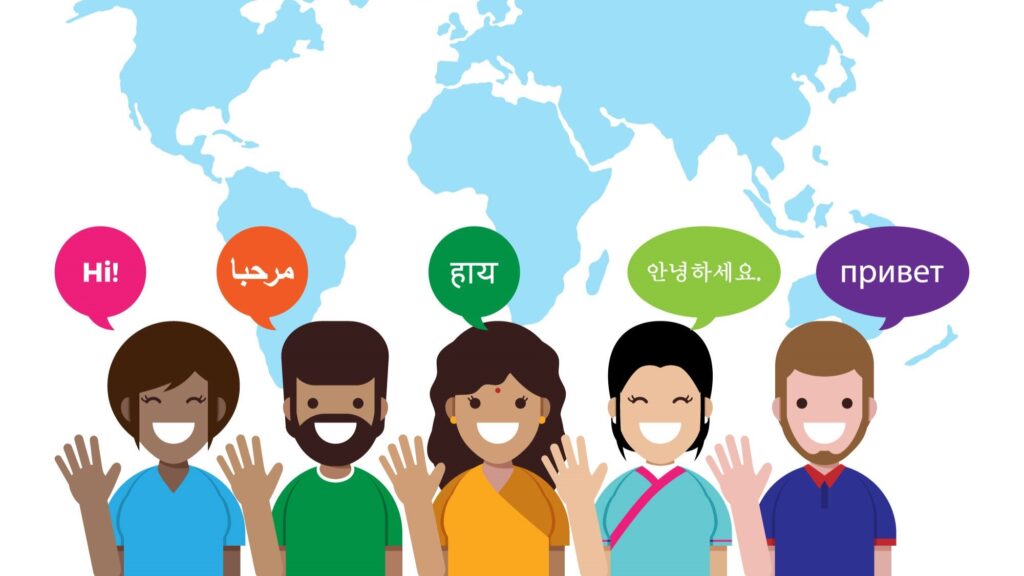

High-quality anime dubbing is the process of replacing original Japanese dialogue with natural, culturally adapted voice performances in another language, while preserving the emotional and narrative impact. In today’s streaming era, anime dubbing for global fans ensures that stories resonate universally without losing their authenticity.
Anime has evolved from a niche interest into a global cultural experience that has millions of fans worldwide. However, one of the most significant factors in the international expansion of anime often goes unnoticed: high-quality dubbing of anime. While the animation, art style, and storytelling are key components of the appeal of the genre, the voices that bring the characters to life are going to dictate what resonates with a global anime audience and what doesn’t.
The importance of dubbing cannot be understated. It’s not simply translating and replacing dialogue; it’s about blending the spirit of the story so fans everywhere can explore it.
Immersive Storytelling Through Quality Dubbing
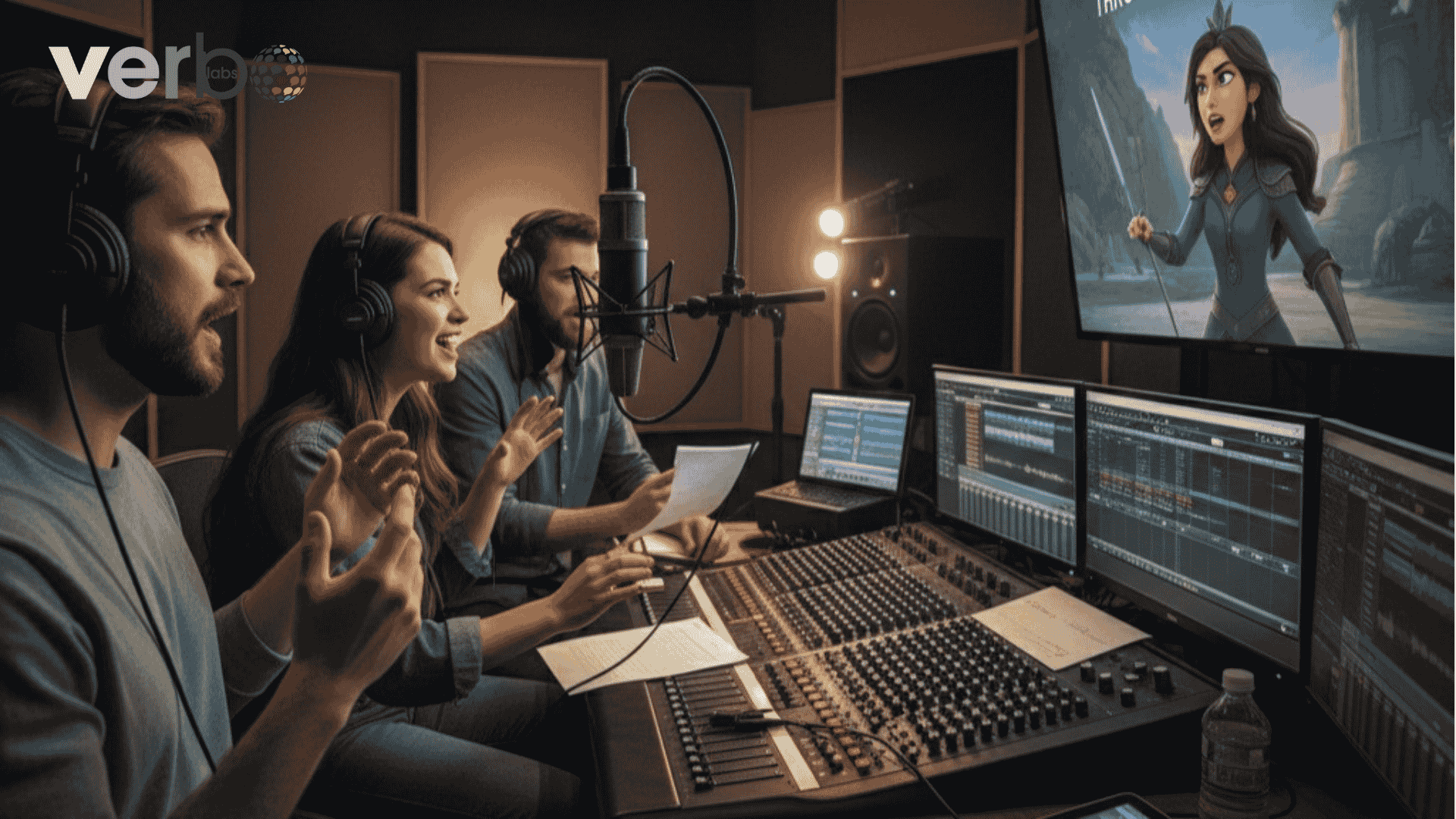
Storytelling in anime depends on emotional functionality and pacing while being rooted in a cultural perspective. Without quality dubbing, all that immersion can be lost somewhere between cultures. A good dubbing team does not merely translate Japanese into another language; they recapture the emotional beats, timing, and sensations portrayed by the original voice actors.
For example, a sincere confession. In Japanese, the short pauses, tremors, and intensities of the voice create an emotional punch. Poor dubbing can ignore those features and turn a momentous expression into an awkward or hollow line reading. But a good dub keeps those same values of the language and faithfully maintains the connection for the viewers, so they receive the same punch as a native audience of the original Japanese production.
This immersiveness is important story-wise, too, because it is easy to miss subtle nuances in character development that create engaging dialogue for narratives dealing with complex issues such as friendship, sacrifice, love, or human suffering. The very essence of the story may be lost if a dubbing production fails to preserve the emotionality and spirit, and viewers will not feel a connection to a character they are meant to support.
In short, here lies the answer to why quality dubbing matters for storytelling:
- Preserves emotional intensity
- Keeps pacing and timing intact
- Maintains cultural authenticity
- Enhances character development
Also read,
- How Anime Dubbing Expands Global Reach for Japanese Creators
- Behind the Scenes of Anime Dubbing: The Process Explained
- Top 10 Anime Dubbing Companies in the World
Impact on Non-Japanese Speaking Fans
What is the role of dubbing for non-Japanese anime fans?
Dubbing makes anime more accessible to a wider, non-Japanese audience by removing the need for subtitles, allowing viewers to enjoy the show without the distraction of reading. This has been instrumental in the global popularization of anime, particularly for shows like Pokémon and Dragon Ball Z, which became cultural touchstones through their English-dubbed releases.
Professional anime dubbing services ensure that global fans can enjoy anime without losing its original depth or emotion
While it can sometimes lead to changes in dialogue, tone, and cultural nuances, dubbing is crucial for reaching casual viewers and those who prefer to multitask or have visual impairments.
The significance of dubbing can be especially apparent when looking at fans who do not know Japanese. For those developing into fans, dubbing is not only the best option for getting into anime, but it is very often the only way into anime fandom.
While subtitles can be helpful, they generally require the viewer to give attention that is unattainable in many circumstances. This could be due to significant audio-visual appeal or simply being intrusive to another easy enjoyment for potentially younger fans.
By having high-quality dubbing, this barrier is unimpeded, and the viewing experience can appear more fluid and easily consumable. It additionally allows the global anime audience to concentrate more on beautiful visual imagery, thrilling fight animation, or scenery rather than reading the subtitles that accompany such streams of anime.
Dubbing is about making anime more freely accessible, inclusive, and perhaps enjoyable for its viewing audience.
Finally, good dubbing helps create fan communities. Fans enjoy the opportunity to borrow and quote lines, imitate characters or power lines, or experience emotional moments with others without concern for initial translation. This contributes significantly to a community and a sense of belonging or cultural exchange with one’s anime community. That’s why anime dubbing for global fans plays such an important role—it fuels passion, strengthens fan bonds, and keeps the anime community alive worldwide.
Examples of Poor Dubbing & Their Backlash
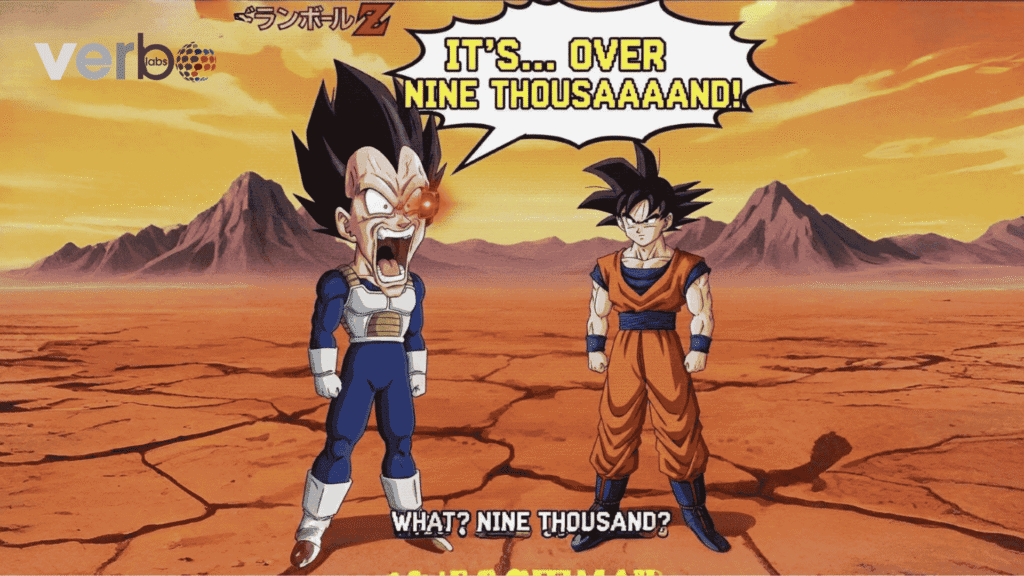
History has taught us many lessons about the consequences of not taking dubbing seriously. Some of the earlier attempts to bring anime to the West suffered from awkward translations, out-of-sync vocals, and odd deliveries that left many fans frustrated and sullied the reputation of certain series.
A prime example of this is the widely criticized early English dub of One Piece. The localization team, replacing the original soundtracks, censored several key components of the show and incorporated very boring voice acting. As a result, the internationally successful franchise was met with heavy backlash from fans who felt the intent of the show had been butchered. It was only after a new dubbing team took over and prioritized authenticity and quality that One Piece got its footing internationally again.
Another prime example is the English dub of Ghost Stories. The English dub of Ghost Stories was initially highly criticized but gained a cult following because of the over-the-top comedic reimaginings of original characters and voices. It demonstrated an important fact about careless dubbing: separating fans from the original show.
The examples above demonstrate an important truth: careless dubbing can diminish trust not only for one series but also make fans skeptical and suspicious of any newly released series in the global anime audience. The effects of poor dubs are long-lasting and generally require years of continuous premium dubbing to rebuild trust.
In short, the key issues with poor dubbing are:
- Awkward translations
- Out-of-sync lip movements
- Flat or unnatural voice acting
- Censorship and localization errors
Long-Term Value of Premium Dubbing

Although high-quality anime dubbing might appear expensive at face value up front, the benefits long term outweigh the initial cost. A professional dubbing will ensure that fans don’t just watch it once but instead will want to rewatch, recommend, and endorse the anime come hell or high water, creating a bandwagon effect that will engender brand loyalty and broaden the horizon of studios and distributors alike.
Additionally, a quality dubbing allows anime to withstand the test of time. Dubbing has been a key factor in the global success of anime, enabling classic series like Dragon Ball Z and Sailor Moon to reach and captivate a mass international audience, and paving the way for the worldwide popularity of more recent hits such as Demon Slayer and Jujutsu Kaisen. Shows like Dragon Ball Z, Naruto, and Fullmetal Alchemist are fondly remembered not simply for their storylines but for the memorable vocal performances given in multiple languages. These dubs became cultural touchstones to further solidify anime’s hold as part of the global community and entertainment.
On the other hand, a show with bad dubbing will usually fade promptly away from public memory, no matter how solid a product the original Japanese version may be. In the current streaming landscape of attrition with endless viewing options, it is safe to say that a professional dubbing could quite literally make or break a fleeting one-off and a global phenomenon, generating a highly addicted fanbase.
Anime studios must also be aware that anime’s global audience is becoming more discerning. Fans generally want to hear dubs that pay respect to the cultural place of origin while sounding natural in their own native language. It is vitally important to deliver on fan recognition, which is necessary for long-term success and fan loyalty.
The emergence of anime as a global cultural phenomenon has underscored the importance of dubbing in a manner that has never been clearer. For anime fans who do not speak Japanese, dubbing is more than just a convenience; it is necessary to connect with the content on a deeper level. For studios and distributors, the timely and financial investment in a prestigious anime dub not only guarantees prompt return on investment but also long-term success in a global marketplace.
To summarize, there are several benefits of professional dubbing:
- Increases rewatch value
- Builds fan loyalty
- Creates cultural impact
- Boosts global streaming success
Studios can avoid these pitfalls by getting professional dubbing services that specialize in anime localization.
Conclusion
The emergence of anime as a global cultural phenomenon has underscored the importance of dubbing in a manner that has never been clearer. For anime fans who do not speak Japanese, dubbing is more than just a convenience; it is necessary to connect with the content on a deeper level. For studios and distributors, the timely and financial investment in a prestigious anime dub not only guarantees prompt return on investment but also long-term success in a global marketplace.
In short, dubbing is essential for anime’s global success. High-quality dubbing preserves the heart of the story, expands audiences, and builds lasting fan communities. The takeaway from both successful and unsuccessful dubbing endeavors is that the full potential of anime is only reached when the voice and the narration empathize with the heart of the story. If we hope to build trust, expand our audience, and create lifelong fans, professionals in the industry must commit to anime dubbing for global fans every time.
If you are a studio, distributor, or creative, particularly now (in an age of anime’s global growth), i.e., think of it this way: premium dubbing isn’t a cost; it is a cost of engaging passion, loyalty, and the growing global audience of anime. If you’re looking to bring your anime to global audiences, explore VerboLabs and our specialized anime dubbing services for authentic, high-quality dubbing solutions.

Bring your anime to global audiences with authentic dubbing. Explore VerboLabs and our expert anime dubbing services today.
Anime dubbing is replacing Japanese voices with localized performances in another language while keeping emotions intact.
It ensures global fans connect with the story emotionally, not just through words.
It improves accessibility, builds fan loyalty, and boosts global reach.
Subtitles require reading; dubbing lets viewers focus fully on visuals and emotions.
Scripts are translated, voice actors selected to match characters, recording synced with mouth movements while watching footage, then mixed with original music. Takes 55-63 hours per episode total.
Dubs must match existing lip movements, requiring dialogue adaptation rather than direct translation. English must fit Japanese mouth patterns, forcing sentence restructuring.
Quality dubbing removes language barriers, lets viewers focus on visuals without reading subtitles, and preserves emotional authenticity for non-Japanese speakers.
Subtitles preserve original voice performances and cultural nuances. Japanese voice acting is highly competitive, while English dubbing sometimes uses smaller talent pools.
9. What are the biggest challenges in anime dubbing production?
Matching English dialogue to Japanese lip movements, cultural localization without losing meaning, and casting authentic voice actors while managing budget/time constraints.
55-63 hours minimum: translation (6-8 hours), script adaptation (16-24 hours), recording (16-25 hours), post-production mixing, plus casting and planning time.
Poor casting, rushed production, heavy censorship, or cultural insensitivity. Examples: 4Kids’ One Piece had heavy censorship; Ghost Stories rewrote the script entirely.