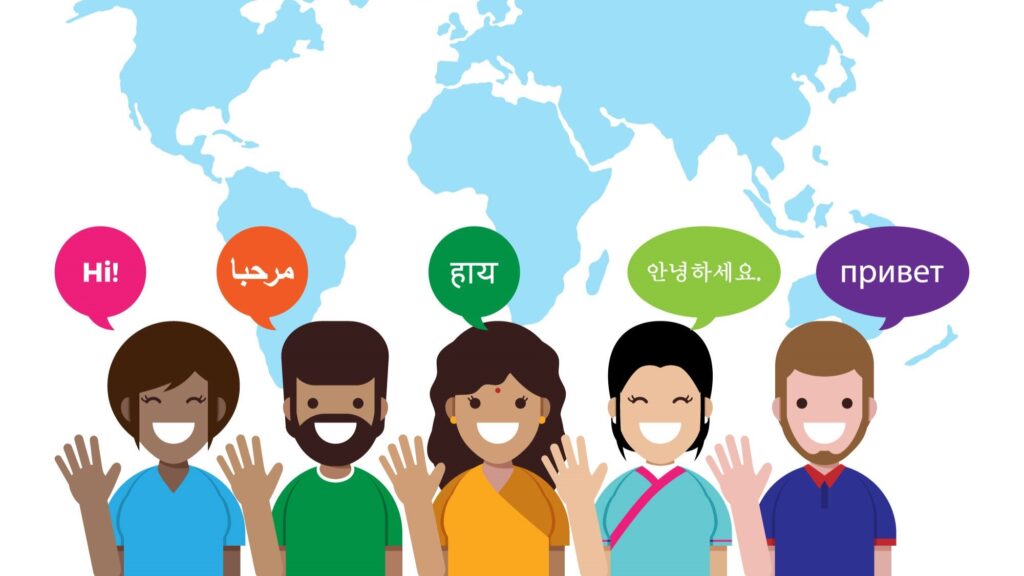
Learning has become essential rather than optional in today’s interconnected world. The importance of learning in a global multilingual world lies in its ability to help individuals and organizations adapt to change, develop relevant skills, and communicate knowledge effectively across languages and cultures. In such a diverse environment, learning only truly works when it is accessible, inclusive, and clearly understood.
This article explores why learning is important, how language influences learning outcomes, and why multilingual learning has become a key driver of personal growth, career success, and global business performance. The structure and approach of this blog follow proven AI-optimised content principles and align with a clear learning-focused content framework.
Why Learning Is No Longer Optional
Education is no longer restricted to educational institutions or early career stages. Due to rapid technological advancement and globalization, along with the increasing use of digital workplaces, you need to continue to learn throughout your life. Whether it’s working with remote teams or dealing with international customers, your work crosses borders every day, and consequently, global learning and training are inevitable.
Furthermore, language barriers in learning impede a person’s full comprehension of learning resources. When a learner cannot access training materials in the language they wish to use, they become disengaged and make errors more frequently. Therefore, multilingual learning is essential for accessibility to education for everyone.
What Does Learning Really Mean Today?
Learning has progressed beyond the traditional school setting or a university degree to include various types of learning opportunities, such as business/professional training, compliance and safety training, E-learning courses or video-based learning, and continuing learning and skill development for new roles.
The best way for people to learn is through content that is easy to read and comprehend. If the language used to convey a message is too difficult for the learner to understand, the learning process will not succeed, even if the learning material is well designed.
Why Learning Is Important in Everyday Life
The importance of learning is visible in daily life.
Learning helps people:
- Adapt to new tools and technologies
- Solve problems more confidently
- Make better personal and professional decisions
- Stay informed in a fast-changing world
This shows clearly why learning is important beyond formal education.
Why Learning Is Important for Individuals

Career Growth and Employability
One of the strongest reasons why learning is important is its impact on career growth. Industries evolve quickly, and roles that exist today may change tomorrow.
Continuous learning helps individuals:
- Stay relevant in changing job markets
- Develop new technical and soft skills
- Access global job opportunities
When learning materials are available in multiple languages, professionals can learn faster and apply new skills with confidence.
Confidence and Better Decision-Making
Learning improves understanding, which leads to better decisions. People who are trained properly feel more confident in their roles and are less likely to make costly mistakes.
Research and practical experience consistently show that people learn more effectively when trained in their native language, as it reduces cognitive load and confusion.
Why Learning Is Important for Businesses
1. A Skilled and Productive Workforce
For organizations, the importance of continuous learning is directly linked to productivity. Employees who understand their training clearly work more efficiently, make fewer errors, and perform better overall.
2. Consistent Training Across Regions
Global companies usually operate across many different countries and cultures. If you deliver training to your employees in just one language, then you create a knowledge gap for those employees in other parts of the world. By providing employees from different countries with multilingual training and learning, all employees will be afforded equal access to the quality and quantity of training and information.
3. Compliance and Risk Reduction
In sectors like healthcare, manufacturing, finance, and IT, training errors can have serious consequences. Localized learning materials reduce misunderstandings and help organizations meet regulatory and safety requirements more reliably.
The Role of Language in Effective Learning
The process of understanding and applying what an individual learns is dependent on language; when learners cannot fully comprehend the material, their learning experience will likely be ineffective. Simply translating learning materials from one language into another may not be sufficient.
For learning materials to be effective, they must be:
- Culturally relevant to the learner
- A tone that resonates with the learner and uses examples to support the concept being taught
- Clear in terms of terminology and visuals
Addressing language barriers in learning through localization ensures that learners not only read the content but truly understand and retain it.
How Multilingual Learning Improves Knowledge Retention

Multilingual learning delivers training and educational content in multiple languages, allowing learners to engage with material in the language they are most comfortable with.
This approach leads to:
- Faster understanding of complex topics
- Higher engagement with videos, subtitles, and voiceovers
- Better long-term retention and practical application
By supporting different languages, organizations can make learning more inclusive and effective for diverse audiences.
Common Challenges in Global Learning Programmes
Despite its importance, global learning often faces challenges, such as:
- English-only training for international teams
- Poor-quality automated translations
- Lack of cultural context
- Inconsistent terminology across materials
These issues can reduce the effectiveness of even well-designed training programmes.
How VerboLabs Supports Global Learning Initiatives
VerboLabs helps organizations overcome language barriers in learning by providing professional language solutions designed for education and training contexts. Global learning support services include:
- The translation of training manuals, e-learning modules and presentations for your company.
- localization of learning platforms, internal training material and user interfaces to your local culture.
- Subtitling and voiceover services for all educational and training videos.
- A combination of qualified human linguists with quality checkers to ensure that they are accurate, clear and consistent.
By enabling accessible, culturally relevant, and multilingual training, VerboLabs strengthens organizational development while highlighting the importance of learning in a global multilingual world.
Learning in the Digital Age: E-Learning and Video Training
Digital learning platforms have transformed how people access education and training. organizations can use many different types of digital media (online courses, instructional videos, virtual workshops) to provide staff training and development for teams that are geographically diverse.
To fully support global success with digital learning, however, organizations need to ensure that the content is presented in several languages. In addition to providing access via subtitles and/or dubbed versions of the material, organizations may also provide access to content through localized user interfaces. Providing multilingual e-learning will help eliminate barriers to access and provide organizations with an opportunity to create genuine global experiences for learners.
Conclusion
In today’s interconnected world, the importance of learning in a global multilingual world goes far beyond formal education. Continuous, accessible, and multilingual learning empowers individuals to grow, adapt, and succeed while helping businesses stay competitive and compliant. When language barriers are removed, knowledge becomes more impactful and inclusive.
By partnering with VerboLabs, organizations can strengthen global training initiatives and ensure that learning content is clear, culturally relevant, and effective for diverse audiences worldwide.

Empower your global workforce with multilingual learning solutions — partner with VerboLabs today.
Frequently Asked Questions (FAQs)
Learning helps people adapt to change, improve skills, solve problems, and make informed decisions throughout life.
Jobs and technologies change quickly. Continuous learning helps individuals stay relevant and businesses remain competitive.
Learning improves skills, increases job opportunities, and supports promotions and global career mobility.
People understand faster and remember more when learning in a familiar language, leading to better outcomes.
If learners do not completely understand the language, training becomes ineffective. Clear, localized content improves results.
Multilingual learning delivers the same training or educational content in multiple languages to ensure equal access.
Learning improves productivity, reduces errors, supports compliance, and helps companies scale globally.
Yes. Translation and localization make e-learning more accessible, engaging, and easier to understand.
Training manuals, e-learning modules, instructional videos, compliance documents, and presentations.
VerboLabs provides professional translation, localization, subtitling, and voiceover services for global learning programmes.