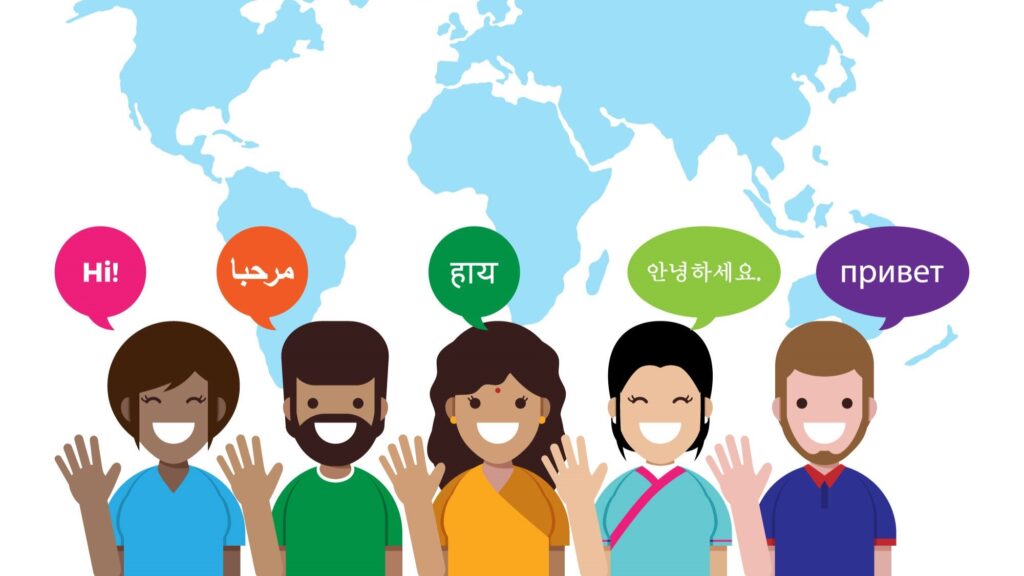
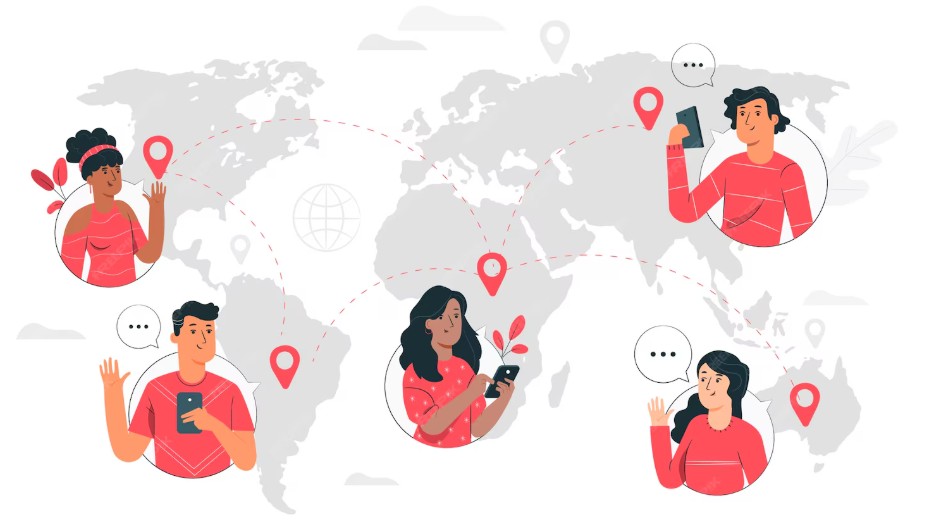
In today’s digital economy, businesses no longer operate within geographic boundaries. Through websites, mobile applications, e-commerce platforms, and digital media, brands engage daily with diverse audiences across countries, cultures, and languages. This Localization Guide for Global Success highlights why companies must go beyond basic translation and focus on culturally relevant communication to truly connect with global users. By leveraging professional localization services, businesses can adapt content, tone, and user experience to match local expectations—ensuring stronger engagement, improved trust, and better global growth outcomes.
Globalization has created immense opportunities for growth, but it has also increased the need for brands to adapt their communication to local markets. While many companies rely only on translation, true success comes from localization—adapting content to cultural, linguistic, and regional preferences. Understanding the difference between translation and localization has therefore become a strategic necessity for businesses operating globally.
What Is Localization?
Localization is the process of adaptation of content, products and communication to the cultural, linguistic and geographical expectations of a specific target market. This involves language, visual aspects, tone, formats and even legal requirements.
Translation is one part of localization, but localization also includes adapting elements such as currency formats, date and time conventions, imagery, colours, symbols, tone of voice, and legal or regulatory requirements.
For example, an e-commerce website may display prices in the local currency, support regionally preferred payment methods, and follow local marketing standards. Similarly, a mobile app might use different visuals, wording, or cultural references depending on the country. These adjustments help create a better user experience and are a key part of an effective multilingual content strategy.
With this Localization Guide for Global Success, you will gain a clear understanding of how to adapt content effectively for global markets and diverse audiences.
Also Read,
Localization vs. Translation: Key Differences

Localization and translation are related but not identical. Translation focuses on converting text from one language into another while preserving its meaning. Localization, however, adapts content to suit the cultural, regional, and contextual expectations of a specific audience.
For example, different regions use different date formats (DD/MM/YYYY vs. MM/DD/YYYY), currency symbols, number formats, and legal requirements. Cultural elements such as colours, symbols, and references may also carry different meanings, so they often need to be adjusted.
While translation ensures linguistic accuracy, localization ensures the content feels natural and culturally appropriate for the target audience. This is why localization often provides greater business value—it helps organisations communicate effectively with people in different markets.
Localization Process Explained: Step by Step
1. Research and Planning
The localization process begins with analysing the target markets. Companies identify their target audiences, languages, cultural preferences, and local regulations. A localization strategy, timeline, and required resources are defined at this stage.
2. Content Extraction and Preparation
All relevant content is collected from sources such as content management systems, websites, apps, documents, and marketing materials. The content is then prepared and converted into formats compatible with translation and localization tools to ensure consistency and efficiency.
3. Translation and Linguistic Adaptation
The content is translated into the target language while adapting tone, terminology, and style to suit the local audience. This step focuses on producing accurate, clear, and natural-sounding text rather than a word-for-word translation.
4. Cultural Localization
Content is further adjusted to align with the target audience’s cultural expectations. This may involve modifying images, colours, symbols, currencies, units of measurement, date formats, and examples to make the material feel familiar and culturally appropriate.
5. Quality Assurance and Testing
Linguistic and functional checks are performed to ensure translation accuracy, formatting consistency, and proper display across platforms. Testing helps identify errors, layout issues, or cultural mismatches before release.
6. Deployment and Continuous Improvement
After approval, the localized content is published in the target market (e.g., via a website launch or an app update). User feedback and performance data are monitored, and updates are made to improve the localization over time.
Where Localization Is Used?
Localization is applied across many business areas to adapt products and content for specific regions. Websites and landing pages are localized to communicate with customers in familiar language and cultural context. Software interfaces and mobile apps are adapted to regional languages, formats, and user preferences.
It is also widely used in e-learning platforms, marketing campaigns, multimedia content, and legal documentation. These applications show that successful global expansion often requires effective localization.
Strategic Benefits of Localization
Localization improves user experience by providing content that feels relevant and familiar to local audiences. When customers see content tailored to their language and culture, trust in the brand increases.
It can also improve conversion rates, strengthen local search engine visibility, and build long-term brand credibility. For these reasons, localization is an important strategy for businesses entering global markets.
Best Practices for Effective Localization

Effective localization requires clear and well-structured source content. Writing with proper context helps translators maintain accuracy and intent. Using style guides and consistent terminology also ensures that the brand voice remains uniform across different languages.
Involving native speakers and maintaining a structured update process further improves localization quality. Testing localized content with real users helps confirm that the message meets the expectations and cultural preferences of the target audience. Together, these practices support a strong multilingual content strategy.
Common Localization Challenges and Solutions
Localization often fails due to gaps in clarity and consistency. Here’s how to fix them effectively:
- Scaling Across Markets: Managing multiple languages can reduce quality.
Solution: Adopt a hybrid model—AI-powered tools + native human reviewers for accuracy, cultural relevance, and consistency.
- Unclear Source Content: Poorly written or ambiguous content leads to inaccurate translations.
Solution: Standardize content with clear guidelines and pre-edit before localization.
- Lack of Context: Translators without background info may misinterpret meaning.
Solution: Provide glossaries, style guides, and reference materials.
- Inconsistent Tone & Terminology: Multiple translators can create mismatched messaging.
Solution: Use centralized translation memory (TM) and terminology databases.
- Overly Technical Language: Complex phrasing reduces readability across markets.
Solution: Simplify content and adapt it for local audience understanding.
How VerboLabs Supports Localization?
VerboLabs provides end-to-end localization solutions, including professional translation, cultural adaptation, subtitling, voice-over services, and multilingual quality assurance. Glossaries and style guides ensure linguistic consistency, while integration with client systems improves workflow efficiency.
With specialized expertise in industries such as technology, e-commerce, education, and entertainment, VerboLabs delivers scalable localization solutions that help businesses expand into global markets.
Conclusion
Localization challenges—unclear content, missing context, inconsistent tone, and complex language—can directly impact global communication and brand trust. As highlighted in this Localization Guide for Global Success, the key to overcoming these barriers lies in a structured and scalable approach. Businesses should prioritize content clarity, provide strong linguistic resources, and maintain consistency using tools like translation memory and style guides.
However, technology alone isn’t enough. A hybrid approach that combines AI-driven tools with native human expertise ensures accuracy, cultural relevance, and high-quality results at scale—helping brands succeed confidently in global markets.
Partnering with experts like VerboLabs can simplify this process. Their professional localization services help businesses deliver consistent, high-quality content tailored for global audiences—without compromising speed or precision.

Expand globally with confidence—localize your content with VerboLabs.
Frequently Asked Questions (FAQs)
Localization is the adaptation of content (text, visuals, UI, multimedia) to match a target audience’s cultural, linguistic, and regional expectations.
Translation focuses on converting text. Localization adapts the full context — including culture, format, and relevance — to make content feel native.
Localization improves user experience, builds trust, increases conversions, and helps brands connect with diverse global audiences.
Websites, apps, marketing materials, e-learning modules, videos (subtitles/voiceover), legal documents, and product guides all benefit from localization.
It depends on content size, complexity, and the number of languages. A detailed plan and experienced team, such as VerboLabs help speed up the process.
Automated tools can assist but often miss cultural nuance, tone, and intent, which human localization ensures are accurately captured.
Using direct translation, ignoring cultural norms, overlooking multimedia content, or skipping QA testing can all harm localization quality.
VerboLabs combines native linguists, industry subject-matter expertise, cultural research, and structured QA processes to deliver accurate, engaging localized content.