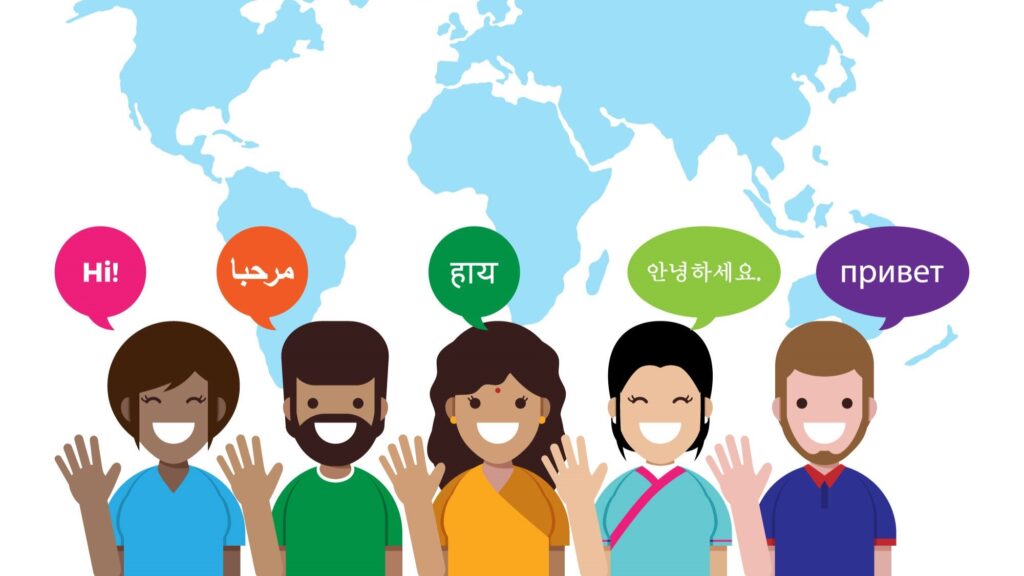

Why Remote Interpretation Is Essential Today
Global business no longer works within physical boundaries. The teams work across nations, customers participate in remote conferences, and decisions are discussed in real time via online systems.
In today’s working environment, language barriers are no longer a minor inconvenience. They directly affect clarity, decision-making speed, and trust between teams and stakeholders. Lost opportunities and costly mistakes may result from misunderstood instructions, unclear negotiations, or poorly translated discourse.
This is why remote interpretation services have become essential for modern organizations. They allow people to communicate clearly across locations without being limited by distance. Companies such as VerboLabs support this shift by offering professional remote interpretation, localization, and multilingual communication services designed to meet global business needs.
What Is Remote Interpretation?
Remote interpretation is the process of digitally transmitting language from one language to another in real time. In contrast to the traditional face-to-face interpretation, there is no physical presence of interpreters or participants. Communication is conducted via video calls, virtual conferences, webinars, or specialized translation tools.
Remote interpretation is also common for business meetings, international conferences, virtual training sessions, investor calls, legal discussions, and webinars worldwide. As online interaction becomes the standard, remote interpretation services ensure that language does not limit participation or understanding.
Also Read,
- How Interpretation Services Bridge Language Gaps Effectively?
- Translation vs Interpretation: Understanding the Key Differences
Top Benefits of Remote Interpretation for Businesses
One of the key remote interpreting benefits is real-time communication across languages. Groups can work together at any time, regardless of location, without needing to clarify anything using a translation device. This will speed up decision-making and minimize the chances of misinterpretation.
Another great benefit is cost efficiency. Companies eliminate travel, lodging, and physical logistics that come with physical interpreters. Remote interpretation services also allow organizations to scale language support based on need, whether for a small internal meeting or a large international event.
Scalability is also important for companies with distributed teams. Remote solutions deliver to large audiences across different time zones with high quality and reliability. This increases accessibility, as participants can attend from anywhere in the world without language barriers.
How Remote Interpretation Works
Online interpretation for business relies on secure digital platforms such as video conferencing tools, virtual interpreter platforms, and dedicated interpretation software. The participants attend a session and choose their favorite language channel, and hear the interpreter in real time.
Interpreters are involved in live sessions.
They pay proper attention, decode correctly, and change terms to fit the topic. Audible sound and reliable internet connectivity, along with specific vocal protocols, are necessary to deliver the speech effectively.
Remote interpreting is possible in three major forms:
- Simultaneous interpretation is a real-time process in which the interpreter speaks nearly at the same speed as the original speaker. It is generally applicable to conferences and big meetings.
- Consecutive interpretation also involves the interpreter translating short parts of speech while the speaker pauses. This format can be used in interviews, training, and small group discussions.
- Whisper interpretation is a low-level interpretation given to one or two individuals in a live session.
Understanding how remote interpretation works helps businesses select the most effective format for their communication goals.
Best Practices for Successful Remote Interpretation
Successful interpretation requires preparation. Agendas, slide decks, and glossaries shared in advance with interpreters would enhance accuracy and flow. The industry-specific terms ought to be explained beforehand.
Technical preparedness is also significant. Sound internet, reliable microphones, and stable video platforms minimize disruption. There are clear communication rules, which include speaking to one person at a time and not rushing, that favor better results in interpretation.
An orientation of interpreters to the business goals and audience expectations serves as a point of adjustment. Following language interpretation best practices enables remote interpretation services to deliver consistent, professional results.
Challenges in Remote Interpretation & How to Overcome Them

Communication can be disrupted by technical challenges such as audio lag, poor sound quality, or connectivity issues. The platform testing, backup systems, and pre-event technical checks may be used to minimise these risks.
Another problem is the cultural subtleties and idiomatic expressions. Good interpreters are needed who understand the meaning and not merely translate words, because people have expertise in a subject matter.
Being in virtual space may also be challenging. Proper organization, good moderation, and qualified interpreters can serve to keep the members on track and engaged.
Professional providers address these challenges through trained linguists, quality assurance testing, glossary support, and ongoing interpreter training, ensuring remote interpretation services remain reliable even in complex settings.
Choosing the Right Remote Interpretation Partner
A decision on whom to partner with has a direct impact on communication. Companies should also aim to employ native interpreters who have acquired knowledge and experience at an inter-industrial level. Security and credibility platforms are required, particularly in confidential or controlled discussions.
The other aspect is versatility. A strong provider offers interpreting services for global teams across corporate, legal, healthcare, technical, and financial sectors. There is a perfect interface with the online systems that facilitates easier operations. End-to-end service management provides consistency and accountability. Comprehensive multilingual interpretation solutions support long-term global operations rather than one-time events.
Use Cases: Where Remote Interpretation Makes a Difference
Remote interpretation also adds value to international team meetings by ensuring alignment across regional areas. There is also the advantage of effective multilingual communication through clear and convincing international sales calls and product demonstrations.
Virtual conferences and trade shows rely on remote interpretation services to engage international audiences. The language support enables training and onboarding programs to be more inclusive, as well as customer support interactions, multilingual webinars, and stakeholder briefs to be more effective through professional interpretation that builds trust and clarity.
Future of Remote Interpretation
The future of remote interpretation depends on technology and heightened demand, which are changing its nature. The assistance mechanisms are becoming clever, speech recognition, hybrid interpreter models, etc, which is making them more efficient, and keeping the human skills at the core of the quality control.
As digital workplaces continue to expand globally, the need for reliable remote interpretation services will increase. Providers that integrate high-tech equipment with qualified linguists will lead this change.
Conclusion — Make Every Conversation Count
The current global economy is strategic for effective communication. Remote interpretation services help organizations overcome language barriers, reduce risk, and connect teams and audiences worldwide. When remote interpretation is implemented rather effectively, it can improve relationships and outcomes.
Freedom may be universal, but the way it is felt and celebrated differs across cultures. This is where VerboLabs plays a key role. VerboLabs helps brands share their message with proper cultural relevance by going beyond direct translation—adapting language, tone, visuals, and context to match local values and traditions. Whether it’s aligning campaigns with national celebrations like Independence Days or tailoring brand communication for regional audiences, VerboLabs ensures your message feels natural, respectful, and meaningful in every market you target.

Elevate your multilingual communication with VerboLabs’ remote interpretation services.
Frequently Asked Questions (FAQs)
Remote interpretation is the process by which trained interpreters translate spoken language in real time over digital platforms, enabling seamless communication without physical presence.
Interpretation is live (spoken communication), while translation is the conversion of written text from one language to another.
The main types are:
Simultaneous – interpreter translates in real time
Consecutive – interpreter speaks after the speaker pauses
Whispering – interpreter speaks quietly for small groups
Tools include video conferencing platforms (Zoom, Teams), specialized interpretation software, and audio channels for simultaneous interpretation.
Yes — even small group communication benefits from professional interpretation to ensure accuracy and clarity.
AI tools can assist with basic understanding but lack cultural nuance, context, and accuracy required for professional settings. Human interpreters remain essential for quality.
Share agendas, terminology glossaries, and speaker names in advance. Test technology and brief interpreters on specialized terms.
VerboLabs provides professional remote interpretation services, native linguists with subject expertise, multilingual support, and integration with business platforms to ensure effective global communication.