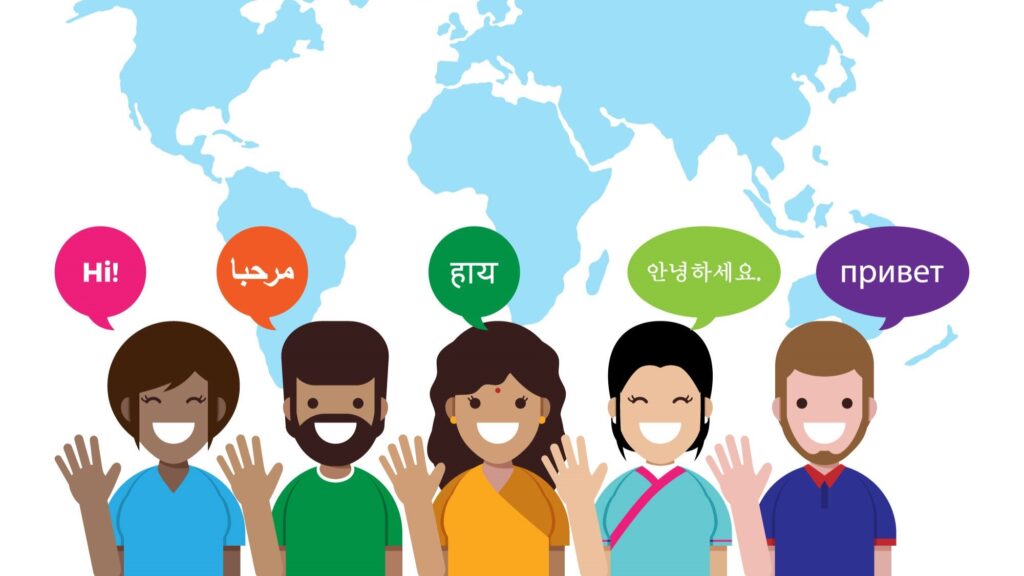
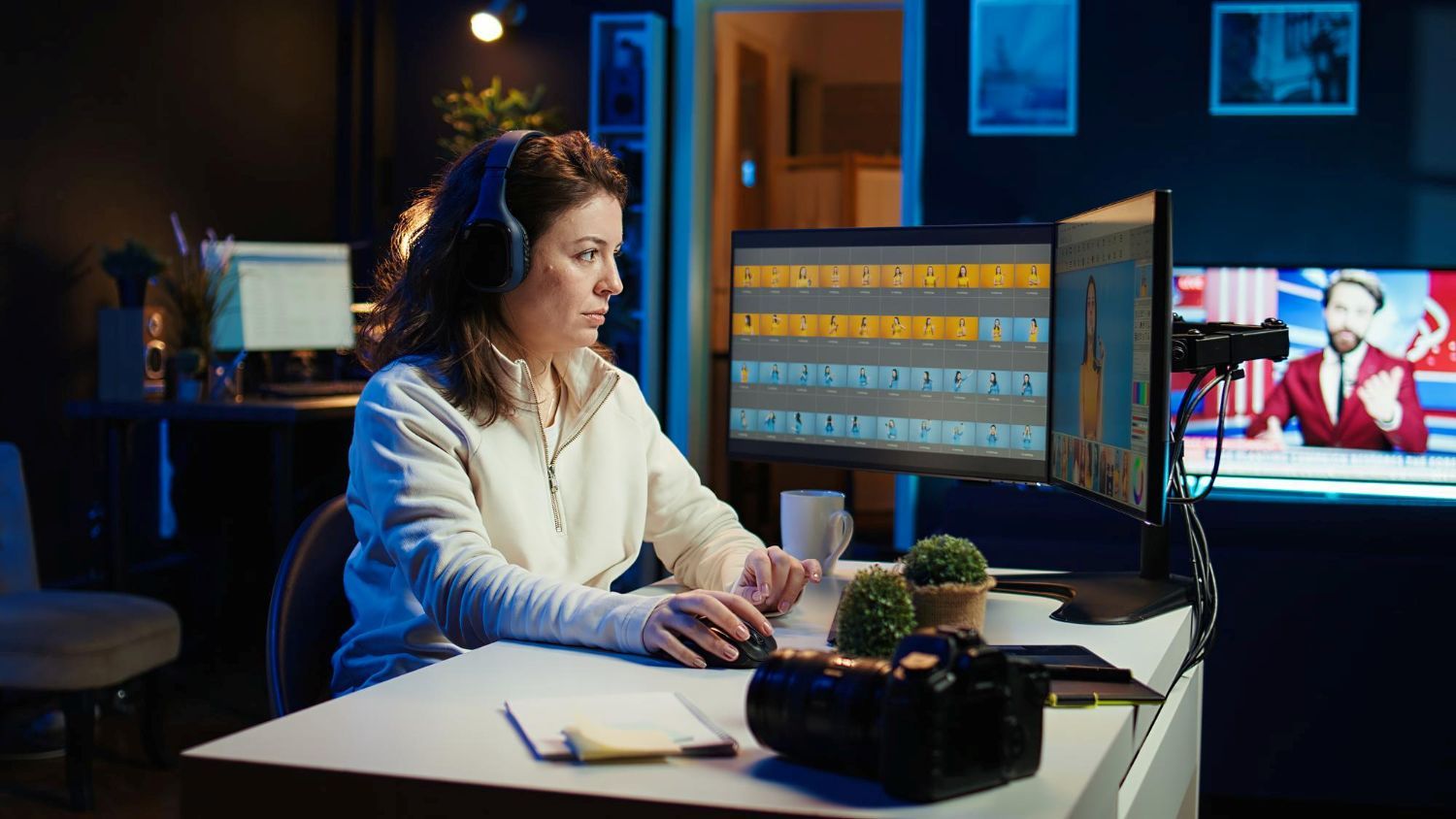
Subtitling is the process of converting spoken dialogue and important audio cues in a video into readable on-screen text, either in the same language or translated into another. In 2026, subtitles are no longer optional—they are a standard element of digital video content.
As video consumption continues to grow on platforms such as Netflix, YouTube, e-learning platforms, and enterprise communication systems, organizations increasingly rely on subtitles to reach global audiences. Subtitles improve accessibility, expand audience reach, and support inclusive communication.
Understanding Subtitling Challenges and Best Practices is essential for creating effective subtitles at scale. Subtitling requires accurate translation, precise timing, and formatting that matches viewer reading speed. Without proper workflows, subtitles can become misaligned, difficult to read, or culturally inaccurate.
Effective subtitles help non-native speakers understand the content, enable hearing-impaired viewers to follow the message, and increase engagement. They also improve discoverability because search engines can index subtitle text, creating measurable SEO benefits for video content.
What Is Subtitling and Why Is It Not Just Translation?
Subtitling is the process of displaying written text on screen that represents spoken dialogue and sometimes important audio information. Unlike simple translation, subtitling requires synchronizing the text with the audio and visuals while keeping it accurate, readable, and well-timed.
Professional subtitle translators must follow strict limits on timing, line length, and viewer reading speed. The text often needs to be condensed to fit on the screen without overwhelming the viewer or disrupting the viewing experience.
Subtitling differs from dubbing or voice-over, in which the original audio is replaced with a translated soundtrack. Instead, subtitles keep the original audio while providing translated text on screen.
Because of these technical and linguistic constraints, subtitling is far more complex than straightforward translation.
Also Read,
- What Are the Qualities of a Good Subtitle Artist?
- How to Choose the Right English Subtitle Service Provider?
- Film Festivals 2026: Dubbing vs Subtitles – Why More Movies Choose Dubbing
Core Subtitling Challenges

A. Timing & Synchronization
Subtitles must appear and disappear in sync with the dialogue. Poor timing can confuse viewers, reveal information too early, or interrupt the narrative flow. Accurate synchronization is one of the most critical tasks in subtitling.
B. Space & Character Limits
Subtitles usually appear in one or two lines and must remain readable within a few seconds. Because of these limits, subtitlers often condense or paraphrase dialogue while preserving the original meaning and tone.
C. Linguistic and Cultural Adaptation
Subtitling is not just literal translation. Idioms, humor, and cultural references often need adaptation so that audiences in another language understand the context and emotional impact.
D. Multiple Speakers and Fast Dialogue
Rapid conversations, interruptions, or overlapping speech can make subtitles difficult to read. Subtitlers must decide what information to keep, shorten, or omit to maintain clarity and readability.
E. Technical and Format Constraint
Different platforms support subtitle formats such as SRT, VTT, and ASS, each with its own formatting and timing rules. Subtitlers must ensure compatibility across devices and streaming platforms.
High-quality subtitling: Best Practices
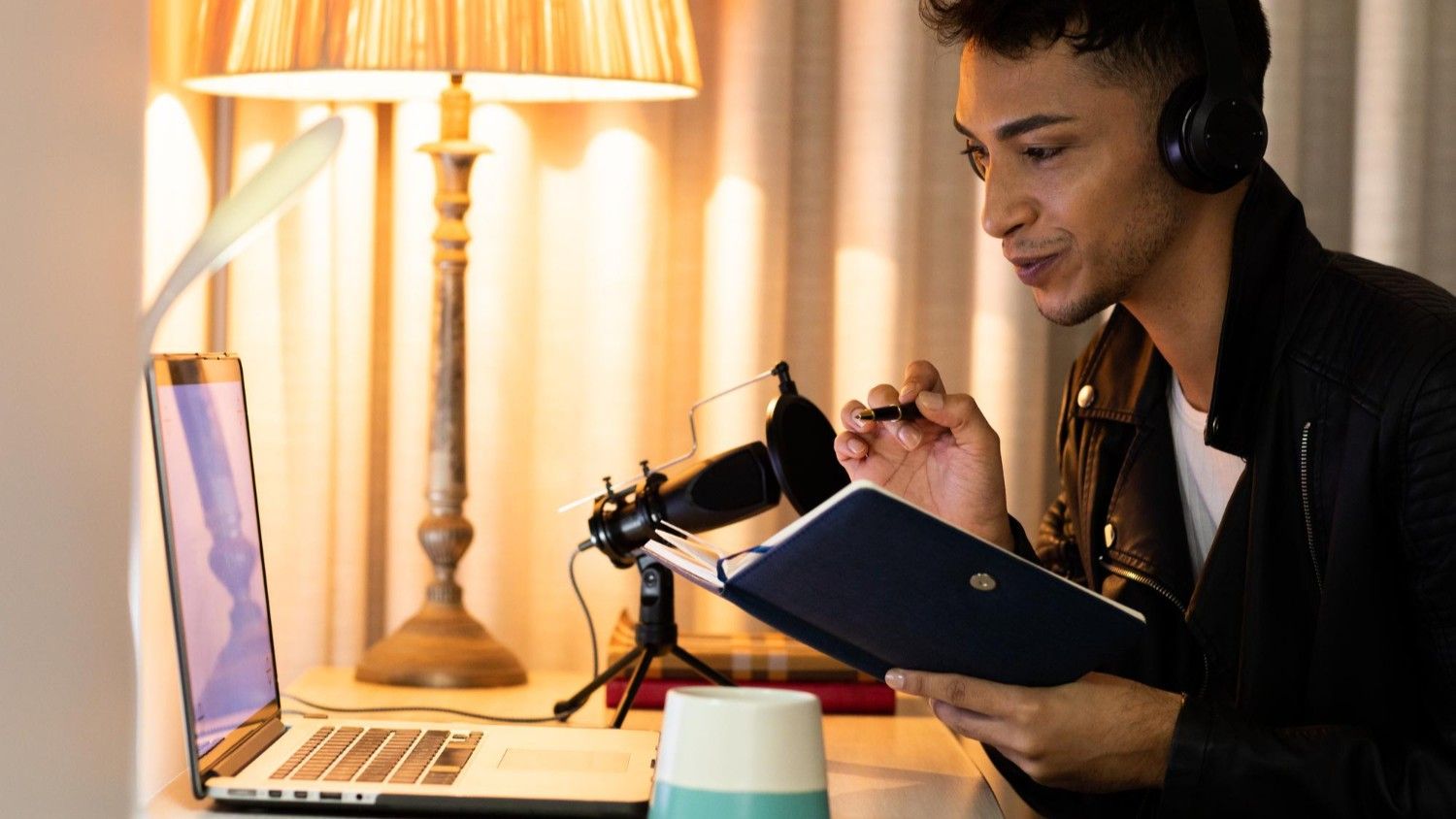
Understanding Subtitling Challenges and Best Practices helps creators produce accurate, readable, and well-timed subtitles that improve viewer experience and accessibility.
1. Prioritize Meaning Over Literal Translation
Subtitles should communicate the speaker’s intent clearly rather than follow a strict word-for-word translation.
2. Use Professional Subtitling Tools
Software like Aegisub or Subtitle Edit helps manage timing, formatting, and synchronization efficiently.
3. Apply Cultural Localization
Adapting content for the target audience improves comprehension and preserves humor, tone, and emotional nuance.
4. Perform Quality Assurance
Subtitles should undergo linguistic review, technical checks, and playback testing on different devices.
5. Improve Accessibility and Discoverability
Subtitles improve accessibility for hearing-impaired viewers and non-native speakers. They may also help search engines index video content, improving discoverability.
Professional Subtitling Services
Automated tools can generate subtitles quickly, but they often struggle with linguistic nuance, cultural context, humor, and fast-paced dialogue. They also frequently produce timing errors and inconsistent formatting.
Professional subtitlers combine linguistic expertise, cultural awareness, and technical precision to deliver high-quality results. Human-led subtitling ensures accurate timing, consistent formatting, and language appropriate to the target audience.
For organizations distributing video content globally, professional subtitling also supports efficient multilingual workflows without compromising quality.
End-to-End Multilingual Subtitling Services by VerboLabs

VerboLabs provides end-to-end mutlilingual subtitling services that are precise, scalable, and reliable.
Subtitling Challenges and Best Practices for Global Content
Creating subtitles for global audiences requires more than simply converting speech into text. Issues such as timing accuracy, multilingual adaptation, platform compatibility, and quality control can affect the viewing experience. VerboLabs addresses these subtitling challenges through structured workflows and expert linguists.
Our services include:
- Human-led subtitle translation with linguistic and cultural expertise
- Accurate subtitle timing and synchronization across platforms
- Scalable multilingual subtitling for global audiences
- Subtitle formatting, testing, and quality control for all major file types
Why choose VerboLabs:
- Experienced linguists and subtitling specialists
- Proven workflows for complex subtitling projects
- Advanced tools combined with rigorous quality assurance
- Reliable delivery for large-scale global content distribution
Importance of Professional Subtitling
Subtitling plays a key role in global video distribution by improving accessibility, engagement, and reach. In today’s digital environment, subtitles are not just a technical feature—they are an essential part of communication strategy.
Creating accurate and culturally appropriate subtitles requires both technology and human expertise. By partnering with experienced providers like VerboLabs, organizations can ensure high-quality subtitles that support global audiences.
Conclusion
Subtitling is the process of displaying written text on screen that represents spoken dialogue and important audio information. Unlike simple translation, subtitling requires synchronizing the text with audio and visuals while keeping it accurate, readable, and well-timed.
Professional subtitle translators must follow strict limits on timing, line length, and viewer reading speed. Because subtitles must fit within limited screen space, the text often needs to be condensed without losing the original meaning or context.
Subtitling also differs from dubbing or voice-over, where the original audio is replaced with a translated soundtrack. With subtitles, the original audio remains while translated text appears on screen to support understanding.
Because of these technical and linguistic requirements, understanding Subtitling Challenges and Best Practices is essential for producing high-quality subtitles. Professional providers such as VerboLabs help organizations manage these challenges with expert linguists, structured workflows, and scalable solutions for multilingual content. By leveraging reliable subtitling services, businesses can improve accessibility, enhance viewer engagement, and ensure their video content effectively reaches diverse global audiences.

Expand your global reach with precise, professional subtitles—partner with VerboLabs today.
Frequently Asked Questions (FAQs)
Subtitle text on screen helps viewers understand spoken dialogue across languages or for accessibility purposes.
Subtitling requires timing, space constraints, and synchronization, not just textual translation.
Challenges include synchronization, limited screen space, cultural adaptation, and handling fast dialogue.
AI tools can assist but often fail to capture cultural nuance, context, and accurate timing—human expertise is crucial.
Search engines index subtitle text, improving video discoverability and visibility.
Common formats include SRT and VTT — professionals ensure compatibility across platforms.
VerboLabs provides end-to-end subtitling services, including translation, timing, and localization for global video content.