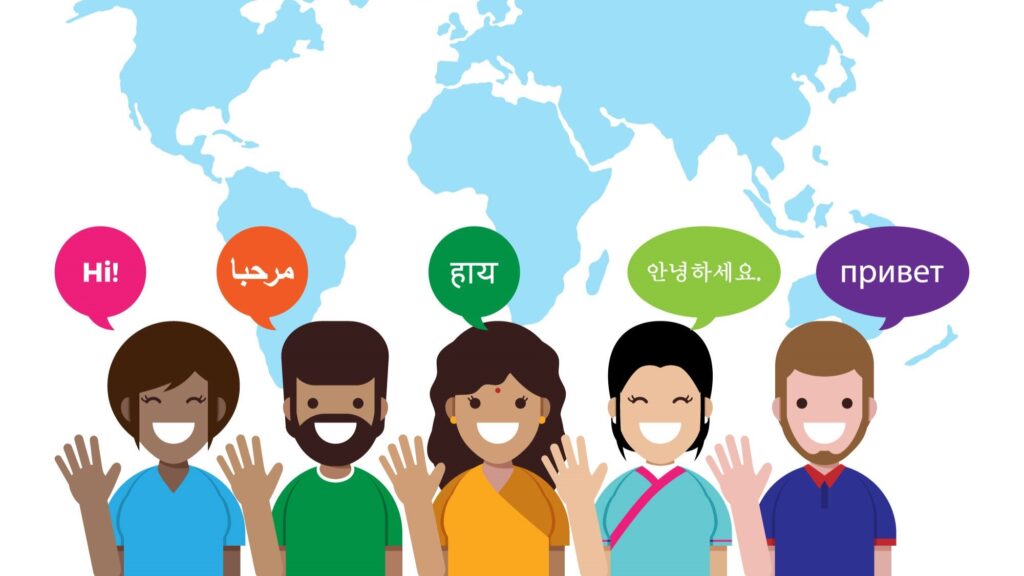

Breaking language barriers has never been more important—or more possible. In today’s globalized world, businesses and individuals need to communicate clearly across languages, and AI-powered translation services are making that easier than ever. From instant document translations to multilingual website content, AI tools are transforming the way we connect, collaborate, and expand globally.
As we step into 2026, the AI translation landscape is more advanced, accurate, and versatile than ever before. In this guide, we’ll explore the top 10 AI translation services, their unique features, strengths, and the scenarios where they shine—helping you choose the right tool to reach audiences worldwide with speed, precision, and cultural relevance.
What to Look for in an AI Translation Service
When selecting an AI translation tool, consider the following factors:
- Accuracy and Contextual Understanding: The ability to grasp nuances, idioms, and context-specific meanings.
- Language Support: A broad range of languages, including dialects and less common tongues.
- Integration Capabilities: Seamless integration with existing workflows, such as CMS, CAT tools, or APIs.
- Customization and Glossaries: Options to add custom terminology and maintain consistency across translations.
- Security and Compliance: Adherence to data protection regulations like GDPR.
- Human-in-the-Loop Options: Availability of professional human translators for post-editing or specialized content.
Top 10 AI Translation Services in 2026
1. VerboLabs AI + Human Hybrid Translation

Overview: VerboLabs offers a hybrid approach, combining AI efficiency with human expertise. Their services include document translation, website localization, and multimedia translation, ensuring cultural relevance and accuracy.
Pros:
- Blend of AI speed and human accuracy
- Tailored solutions for various industries
- Emphasis on cultural nuances and context
Cons:
- Turnaround time may be longer due to human involvement
- Pricing may be higher compared to AI-only solutions
2. DeepL Translator
Overview: DeepL is renowned for its exceptional translation quality, especially for European languages. Utilizing advanced neural network technology, it offers nuanced and context-aware translations.
Pros:
- High translation accuracy with natural phrasing
- Supports over 30 languages
- Offers glossary features for consistent terminology
- Integrates with various applications via API
Cons:
- Limited language support compared to some competitors
- Free version has character limits and lacks certain features
3. Google Translate
Overview: A widely used tool that supports over 100 languages, Google Translate offers real-time translation features across text, speech, and images.
Pros:
- Extensive language support
- Real-time translation capabilities
- Free to use with broad accessibility
Cons:
- Accuracy can vary, especially with complex or nuanced texts
- Privacy concerns, as data may be stored and analyzed
4. Microsoft Translator
Overview: Microsoft Translator provides translation services across multiple platforms, including integration with Microsoft Office and Azure services.
Pros:
- Supports over 70 languages
- Seamless integration with Microsoft products
- Real-time conversation translation features
Cons:
- Translation quality may not match specialized tools for certain languages
- Some features require a Microsoft account or subscription
5. Amazon Translate
Overview: A cloud-based service designed for developers, Amazon Translate offers real-time and batch translation capabilities, integrating well with other AWS services.
Pros:
- Scalable for large volumes of text
- Supports a wide range of languages
- Integrates with AWS ecosystem for streamlined workflows
Cons:
- Primarily geared towards developers; may require technical expertise
- Less user-friendly for non-technical users
6. MachineTranslation.com
Overview: Developed by Tomedes, this platform aggregates multiple AI translation engines, allowing users to compare outputs and select the most accurate translation.
Pros:
- Access to various translation engines for comparison
- Supports over 270 languages
- Provides quality scores and AI-assisted recommendations
Cons:
- Interface may be complex for casual users
- Some advanced features may require a subscription
7. Lufe.AI
Overview: Lufe.AI combines various AI engines to provide comprehensive translation solutions, including bilingual webpage translation and PDF file translation.
Pros:
- Versatile tool catering to both casual and professional users
- Emphasizes user data protection
- Offers real-time translations and a minimal interface
Cons:
- May lack advanced features found in more specialized tools
- Relatively newer in the market; user base still growing
8. Smartling
Overview: Smartling offers a cloud-based translation management system that integrates AI translation with human editing, ideal for businesses aiming for consistent multilingual content.
Pros:
- Real-time collaboration features
- Supports various content types and platforms
- Combines machine translation with human expertise
Cons:
- Pricing may be higher compared to other tools
- Primarily designed for enterprise-level use
9. Systran Translate Pro
Overview: Systran specializes in enterprise-level translations, offering domain-specific engines for fields like legal, medical, and technical industries.
Pros:
- Tailored translations for specialized industries
- Supports a broad range of languages
- Offers on-premise and cloud solutions
Cons:
- May be complex for individual users
- Higher cost associated with specialized features
10. Papago
Overview: Developed by Naver, Papago excels in Asian language translations, particularly Korean, Japanese, and Chinese, using Neural Machine Translation technology.
Pros:
- Strong performance in Asian languages
- User-friendly interface
- Supports text, voice, and image translations
Cons:
- Limited language support outside of Asian languages
- Not ideal for specialized or technical translations
Human vs. AI Translation: Finding the Right Balance
While AI translation tools offer speed and scalability, they may lack the nuanced understanding of context, tone, and cultural subtleties that human translators provide. For critical content—such as legal documents, marketing materials, or literature—a human-in-the-loop approach ensures accuracy and appropriateness.
Integrating AI tools with professional human editing combines the best of both worlds: efficiency and precision.
Choosing the Right AI Translation Tool for Your Needs
Consider the following when selecting a translation service:
- Content Type: Technical documents may require specialized terminology support.
- Target Audience: Ensure the tool handles regional dialects and cultural nuances.
- Integration Needs: Assess compatibility with your existing systems and workflows.
- Budget Constraints: Balance between free tools and premium services based on your requirements.
Conclusion
The advancements in AI translation services in 2026 have made cross-language communication more accessible and accurate. By understanding your specific needs and the strengths of each tool, you can select a translation service that enhances your global reach and ensures your message resonates across cultures.
For comprehensive translation solutions that blend AI efficiency with human expertise, consider partnering with VerboLabs. Our team ensures your content is not only translated but also culturally adapted to engage your target audience effectively.

Ready to Elevate Your Global Communication?
Contact VerboLabs today to explore our translation and dubbing services.
Frequently Asked Questions (FAQs)
Yes, AI translation services in 2026 are highly accurate for general business communication, internal documents, and large-scale content. However, for legal, medical, marketing, or brand-critical content, AI works best when combined with human review to ensure clarity, tone, and intent are correct.
For professional and enterprise use, hybrid solutions like VerboLabs AI + Human Translation, Smartling, and Systran are considered the most reliable. These platforms combine AI speed with human expertise, making them suitable for high-stakes and customer-facing content.
Yes, many advanced AI translation tools support custom glossaries and domain-specific engines. Services like VerboLabs, Systran, DeepL, and Smartling allow businesses to maintain terminology consistency across industries such as legal, technical, financial, and healthcare.
It depends on the platform. Enterprise-grade translation services typically follow strict security standards and GDPR compliance. If data privacy is a concern, avoid free tools and choose providers that offer secure infrastructure, NDA support, and optional on-premise or private cloud solutions.
AI translation is faster and more cost-effective for large volumes of content, while human translation excels in accuracy, tone, and cultural relevance. For best results, many businesses use a human-in-the-loop model, where AI handles the first draft and professional linguists refine the output.
Google Translate currently supports the widest range of languages. However, platforms like MachineTranslation.com and Amazon Translate also offer extensive language coverage with better control and comparison options for professional use.
Free tools can work for casual use or basic understanding, but they are not recommended for professional or branded content. They often lack context awareness, customization, security controls, and quality assurance needed for business communication.
Businesses should choose AI + human hybrid translation when accuracy, cultural relevance, and brand voice matter—such as for websites, marketing campaigns, legal documents, multimedia content, and global product launches.