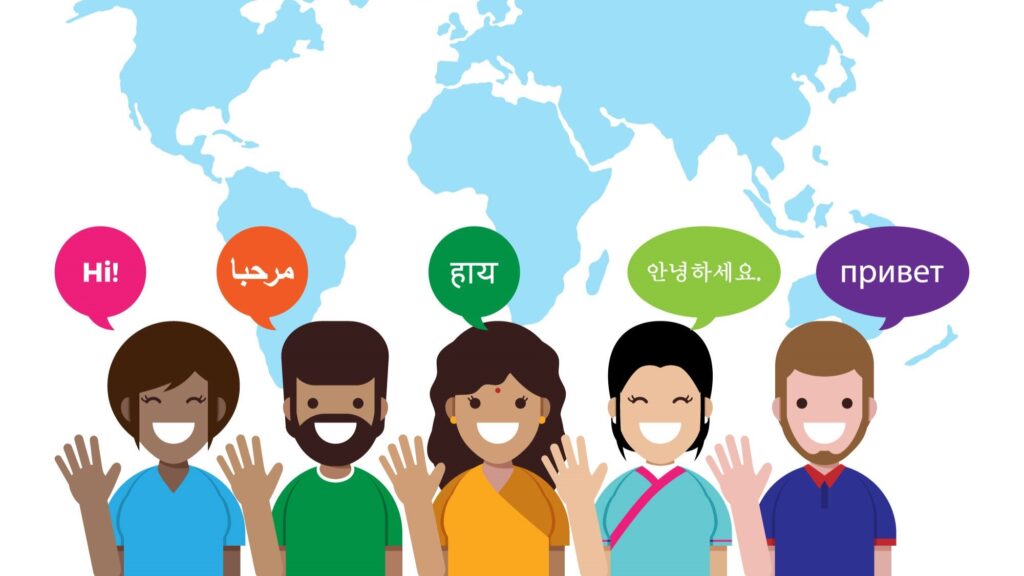
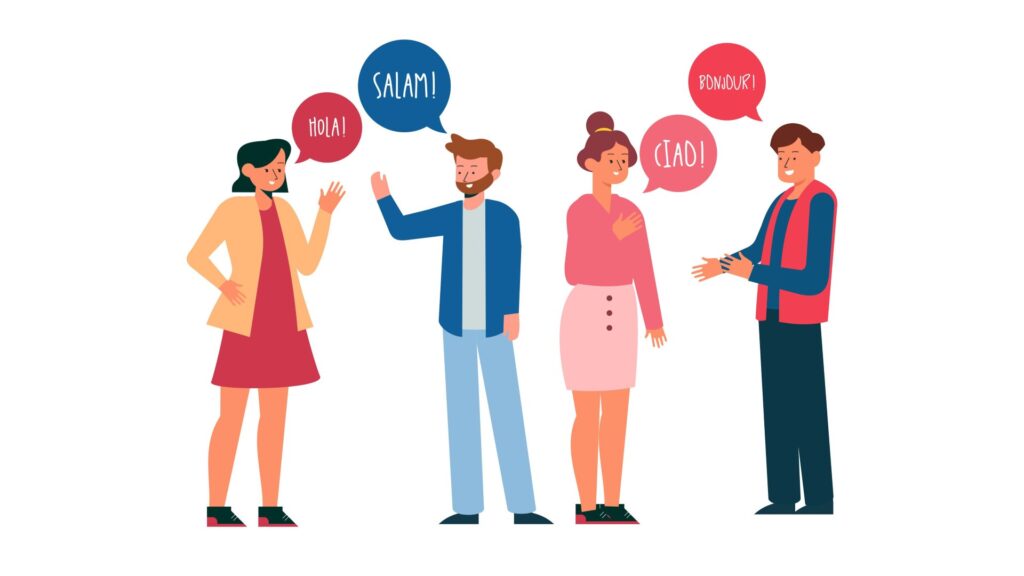
Language is more than a system of words—it’s the foundation of human connection. It influences how we think, express ourselves, build relationships, and participate in society. From personal conversations to global business interactions, communication helps us make sense of the world and connect meaningfully with the people around us. This highlights the importance of language and communication in helping people express their thoughts, build relationships, and navigate an increasingly interconnected world.
As the world grows more interconnected, communicating across languages becomes essential. This is why many individuals, professionals, and companies rely on expert translation services to ensure their message remains clear, respectful, and culturally accurate wherever it travels.
Understanding Language and Communication
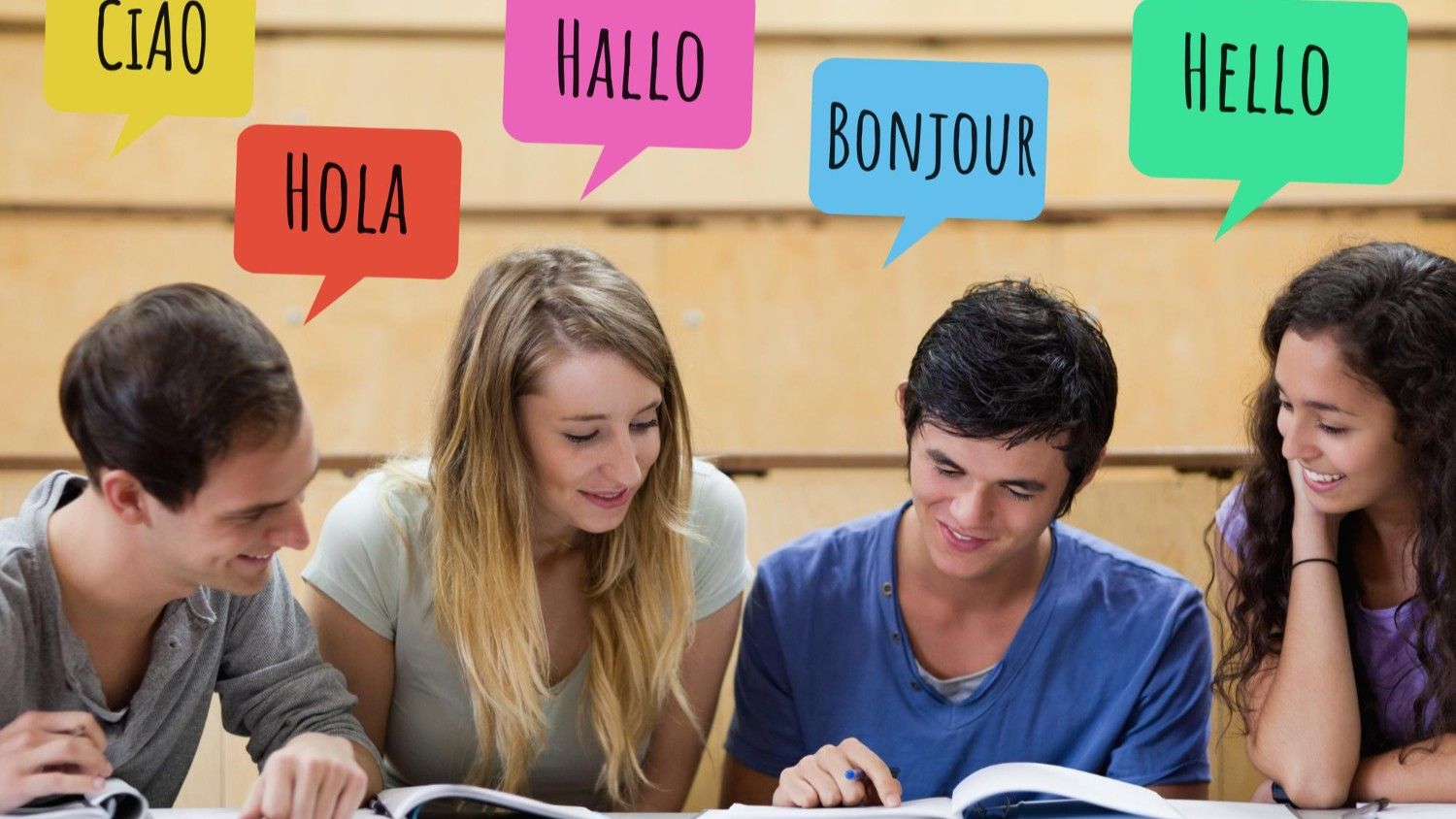
Communication is the exchange of ideas, thoughts, and emotions. Language is the tool that makes this exchange possible. It gives structure to our thoughts and makes it possible to express complex feelings or detailed information.
But communication is not just about speaking—it’s about understanding. Tone, context, and even cultural background influence how messages are interpreted. This is especially important in multilingual contexts, where a small error can change meaning entirely. Professional translation support becomes valuable in ensuring accuracy and clarity across languages.
The Importance of Language in Human Connection

Language helps us form relationships, share stories, and understand different cultures. It lets us express gratitude, negotiate, comfort, question, and collaborate. When people share a common language, communication feels effortless. When they don’t, misunderstandings can easily arise.
This is why accurate translation matters. It preserves meaning, intent, and emotion across languages. Many global brands and organizations work with skilled language partners like VerboLabs to ensure their communication remains authentic and relatable for audiences in different regions. When messages are translated with cultural awareness, they create stronger and more meaningful connections.
How Communication Shapes Relationships

Every strong relationship—whether personal, educational, or professional—relies on clear communication. Misinterpretation can create conflict, delay decisions, or weaken trust. Clear communication, on the other hand, improves collaboration, strengthens unity, and supports growth.
In workplaces and global businesses, communication becomes even more critical. Teams may come from multiple language backgrounds, customers may speak different languages, and partners may interpret messages differently. In both personal and professional settings, the importance of language and communication becomes evident when teams need clarity and alignment. Accurate multilingual communication—often supported by professional translators—helps maintain consistency and reduces room for error.
The Role of Non-Verbal Communication
While language carries meaning, non-verbal communication carries emotion. Body language, facial expressions, gestures, and even visual design influence how a message is received. In fact, a large part of human interaction relies on these non-verbal cues.
This is especially relevant in digital communication—videos, presentations, training modules, and social content. Subtitles, localized graphics, and culturally relevant visuals help make content understandable to diverse audiences. Many businesses rely on multimedia localization services, such as those offered by VerboLabs, to ensure their non-verbal messages resonate with viewers worldwide.
Language Diversity and Its Impact on Society
The world is home to more than 7,000 languages. Each language represents history, identity, and cultural values. Language diversity enriches society, inspires creativity, and encourages new perspectives. However, it also creates challenges in healthcare, education, government services, entertainment, and international trade.
For organizations working across borders, reaching multilingual audiences requires more than basic translation. It requires linguistic accuracy, cultural insight, and sector-specific expertise. This is why businesses often collaborate with professional translation partners who understand how to adapt content for global audiences without losing its original meaning.
The Evolution of Language and Communication
Language evolves constantly. New words appear, old terms become outdated, and digital communication reshapes how we interact. Emojis, slang, and online communication styles have become a natural part of daily conversations. Technology has also changed how we communicate—shifting from handwritten letters to instant messages, videos, and AI-driven interactions.
As language evolves, so does the need for accurate translation. Modern translation workflows combine the speed of AI tools with the precision of human linguists. Many language service providers, including VerboLabs, adopt this balanced approach to ensure translations stay both fast and contextually correct.
Communication Barriers and How to Overcome Them
Even when people speak the same language, communication barriers can exist—unclear messaging, cultural differences, technical jargon, or incomplete understanding. When multiple languages are involved, the barriers become even more complex.
Common communication challenges include:
- Misinterpretation of tone
- Use of idioms that don’t translate well
- Cultural misunderstandings
- Poor or literal translations
- Lack of audience context
Overcoming these barriers requires clarity, empathy, and cultural awareness. For multilingual communication, it also requires reliable translation support. When handled by trained linguists, messages can be adapted in a way that feels natural to the target audience, reducing confusion and improving overall understanding.
The Influence of Technology on Language and Communication
Technology has revolutionized communication. Today, people rely on:
- Social media
- Virtual meetings
- Global collaboration platforms
- Messaging apps
- AI chat tools
- Automated translation software
While these tools enhance convenience, they don’t always guarantee accuracy—especially when context or cultural meaning is complex. Many organizations use technology for initial drafts but rely on professional translators for refinement. This ensures that final communication is correct, culturally appropriate, and aligned with the intended message.
Tips for Effective Communication in Daily Life

To improve everyday interactions, it helps to remember the importance of language and communication and how small adjustments can create big differences. Strong communication is a skill anyone can improve. Here are simple ways to enhance your daily interactions:
- Listen actively—understand before responding.
- Keep messages clear and avoid unnecessary complexity.
- Be aware of cultural differences, especially when speaking to a global audience.
- Ask questions to avoid assumptions.
- Use the right tone depending on the situation.
- Choose your words wisely, especially in multilingual conversations.
- Seek expert support when communicating across languages to maintain clarity.
For businesses, working with a reliable translation partner ensures that communication remains professional, accurate, and aligned with audience expectations.
Conclusion
Language shapes our identity, influences our relationships, and connects us with the world. As societies become more global and digital, effective communication becomes essential—whether between individuals or across entire organizations.
Translation services help bridge these linguistic gaps, making it possible for people, brands, and businesses to communicate confidently across borders. With the support of experienced language partners like VerboLabs, messages can reach new audiences while staying true to their original intent.
By valuing language, embracing diversity, and communicating with clarity, we create stronger connections, richer relationships, and a more understanding world.

Strengthen your global communication. Partner with VerboLabs for accurate, culturally aligned translation services.