
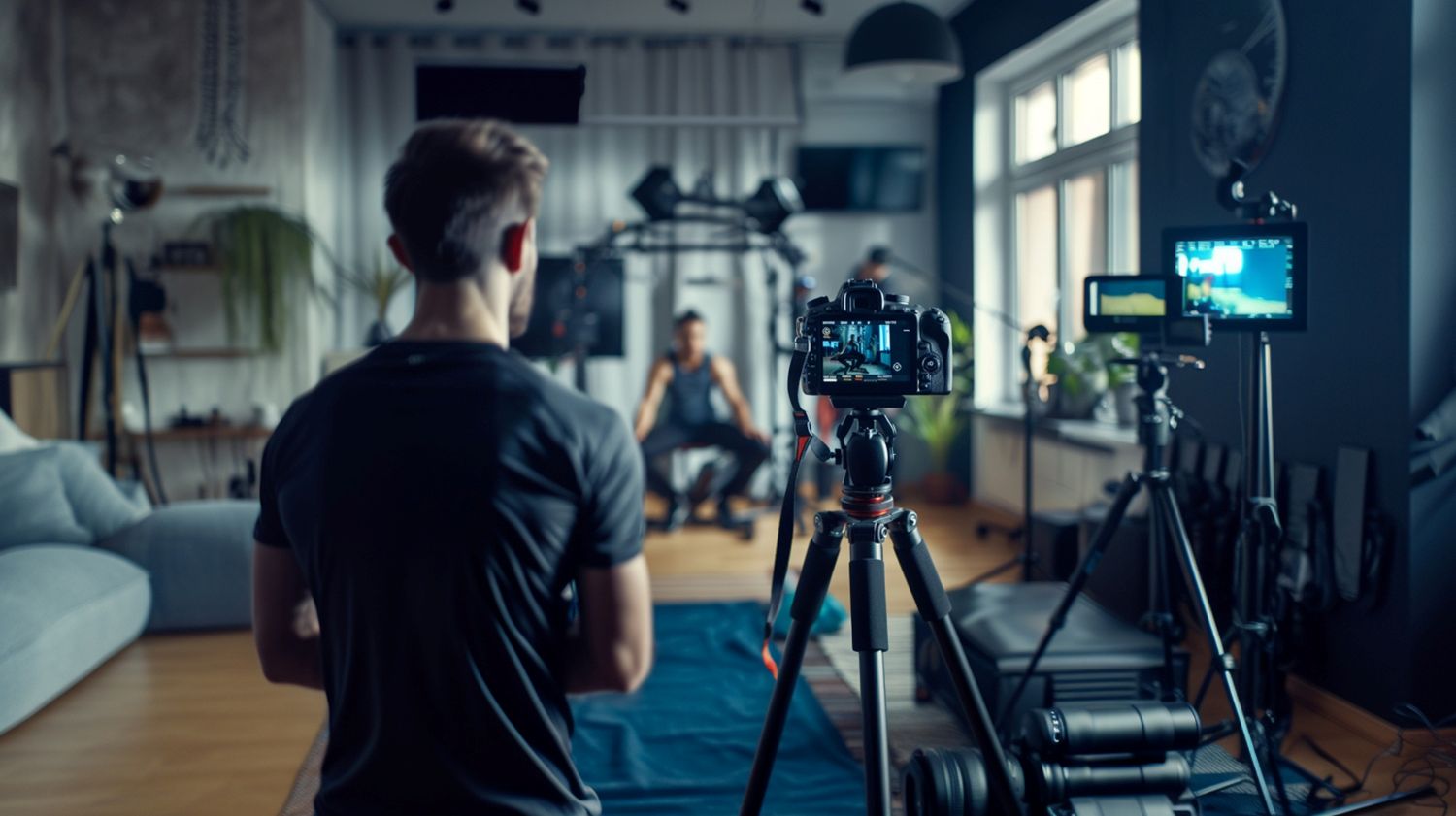
Corporate video production in 2026 is driven by AI automation, AR/VR training, interactive video formats, short-form content, mobile-first design, live streaming, virtual production, and sustainable workflows. These trends help businesses reduce costs, improve engagement, and scale video communication across marketing, training, and internal operations.
Corporate videos have become an essential part of modern business communication. Today, almost every organization uses video production for corporate needs such as training, onboarding, branding, marketing, and internal communication. Whether it’s a corporate promotional video production, a CEO message, or a product demo, professional video content helps businesses inform, engage, and convert audiences more effectively than any other media.
As digital consumption evolves, companies working with corporate video production services must stay updated with the latest formats, technology, and audience expectations. Below are the top 2026 trends shaping how modern businesses create and distribute videos.
1. Why AI Is Reshaping Corporate Video Production in 2026
AI is transforming the way businesses create videos at scale. Instead of traditional long production cycles, AI tools now assist with:
- Script writing
- 3D animated presenters
- Multilingual voiceovers
- Automated corporate video editing
- Personalization based on customer details
This allows even small businesses to produce high-quality videos faster and at a lower corporate video production cost.
For example, a global SaaS company uses AI-generated multilingual onboarding videos to train employees across 12 countries. This reduced training costs by 40% and cut onboarding time by two weeks.
Sales teams are now sending personalized AI videos tailored to individual prospects, while HR departments are generating multilingual onboarding videos without hiring multiple voice artists. For companies hiring video production services, AI significantly improves efficiency and ROI.
2. AR & VR Enhance Training and Corporate Events
Virtual Reality (VR) and Augmented Reality (AR) are no longer futuristic—they are mainstream. Businesses use these technologies in:
- Employee training
- Simulation-based learning
- Corporate event video production
- Immersive product demonstrations
VR allows teams to learn high-risk tasks in safe environments, while AR helps employees or customers access additional information layered onto real-world surroundings.
For example, Manufacturing companies now use VR-based safety training videos to simulate hazardous environments, reducing workplace incidents while improving learning retention.
Brands investing in video production for corporate use increasingly rely on AR/VR to make learning measurable, interactive, and memorable.
3. Interactive Videos Improve Engagement and Learning
One of the fastest-growing trends in corporate video production is interactive video content. Instead of watching passively, viewers can:
- Click options
- Choose outcomes
- Explore product features
- Jump to relevant sections
This format is especially valuable for:
- Employee training
- Corporate onboarding
- Investor presentations
- Customer product tours
Interactive corporate videos also provide rich analytics such as heatmaps, click patterns, and watch behavior, helping businesses improve future content.
For example, an HR teams share 30-second leadership updates on LinkedIn and internal apps, achieving higher engagement than traditional long-format videos.
Also read,
- Affordable Video Production Services for Small Businesses
- Top 10 Corporate Video Production Companies in the USA 2026
- How to Boost Global Appeal with Effective Video Marketing?
4. Short-Form and Micro-Content Still Dominate
With audiences spending less time on long videos, short-form storytelling has become one of the top priorities for corporate video production services in 2026. Platforms like Instagram, LinkedIn, TikTok, and YouTube Shorts are ideal for:
- Quick product demos
- Leadership messages
- Behind-the-scenes workplace videos
- Tips and thought leadership content
Short videos are fast to consume, easy to share, and deliver value instantly—perfect for busy decision-makers.
5. Live Streaming Becomes Standard Corporate Communication
Companies now use live streaming for:
- Global corporate conferences
- Town hall meetings
- Product launches
- Webinars
- Employee engagement
Live video removes the barrier between brands and audiences, helping businesses communicate transparently in real time.
Corporate event video production teams also use AI tools to transcribe, caption, and repurpose live streams into multiple content assets, increasing ROI.
6. Mobile-First Video Production Takes Priority
More than 80% of corporate video content was viewed on mobile last year, and the trend continues in 2026. As a result, corporate video production companies now focus on:
- Vertical video formats
- Text-heavy subtitles
- Visual-first storytelling
- Short and high-impact messaging
A mobile-first approach ensures videos deliver results across social media, internal platforms, and mobile LMS systems.
7. Virtual Production Cuts Cost While Increasing Creativity
Virtual production technologies—such as green screens, LED walls, and digital studio sets—have become popular across both small and large businesses.
These tools allow brands to:
- Shoot realistic scenes without travel
- Create world-class backgrounds
- Reduce production budgets
- Customize visual identity
This approach is reshaping corporate promotional video production, making even small brands look high-budget without expensive on-location shoots.
8. Sustainable Production Becomes Business Standard
Companies in 2026 aim to reduce their carbon footprint across the video production process. They now achieve this by:
- Using remote shoots
- Repurposing video footage
- Minimizing travel
- Switching to virtual sets
- Using energy-efficient lighting
Sustainability not only reduces cost but also aligns with the environmental standards many modern businesses promote publicly.
Comparison Table
| Trend | Business Benefit | Best Use Case |
|---|---|---|
| AI Video Automation | Faster, cost-effective videos | Sales, HR, onboarding |
| AR/VR Training | Safer, immersive learning | Manufacturing, healthcare |
| Interactive Videos | Higher engagement & analytics | Training, demos |
| Short-Form Videos | Faster consumption | Marketing, leadership |
| Virtual Production | Lower cost, creative freedom | Branding, events |
Why Is the Video Production Process Important?
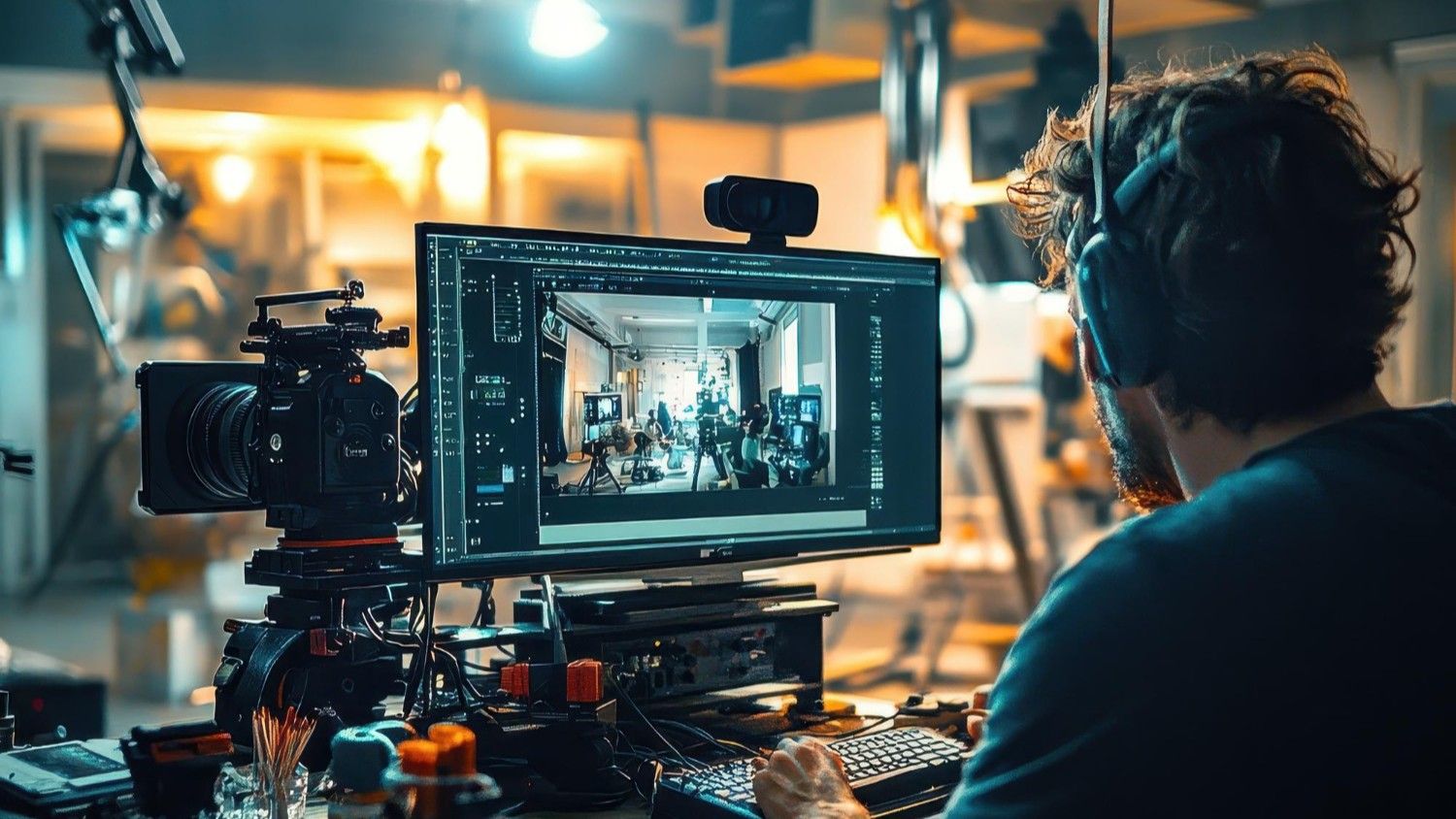
A well-structured corporate video production process provides a strong foundation for creating impactful, professional content. By defining clear objectives, aligning creative direction with brand identity, and organizing each stage—from pre-production planning to final delivery—businesses can maximize both quality and efficiency. This approach not only streamlines communication between teams but also ensures that every video serves a strategic purpose, supports marketing goals, and delivers measurable value.
Key benefits include:
- Clear, audience-focused messaging
- Professional execution across all stages
- Strong brand consistency in visuals and tone
- Optimized use of time, resources, and budget
- Improved video performance and ROI
Whether using an in-house team or partnering with corporate video production services, a well-planned workflow guarantees videos that effectively contribute to business growth.
Who Benefits Most From These Corporate Video Trends?
These corporate video production trends in 2025 are especially valuable for organizations that rely on clear, scalable, and engaging communication. The businesses and teams that benefit the most include:
- Enterprises with global teams – For consistent internal communication, multilingual training, and leadership messaging across regions.
- SaaS and technology companies – To explain complex products, onboard users, and support sales with clear, engaging video content.
- HR and Learning & Development (L&D) departments – For onboarding, compliance training, skill development, and internal knowledge sharing.
- Marketing and brand teams – To create short-form, interactive, and high-impact videos that boost engagement and brand visibility.
- Event and communications teams – For corporate events, live streams, virtual conferences, and post-event video content.
By adopting these trends, organizations can improve engagement, reduce communication gaps, and scale corporate video production more efficiently across teams and markets.
VerboLabs: Your Corporate Video Partner
VerboLabs offers end-to-end corporate video production services, from concept and scripting to filming, animation, and professional editing. They create corporate promotional videos, event coverage, onboarding content, explainer animations, and social micro-content optimized for LinkedIn, Instagram, and YouTube. With AI-assisted workflows, virtual production capabilities, and multilingual localization, VerboLabs delivers high-quality, scalable videos that engage audiences and drive results. Trusted by global brands, they combine creativity with strategy to produce professional, impactful videos that meet modern corporate communication needs.
Learn more about VerboLabs Video Creation Services
Conclusion
In 2026, corporate video is no longer just content—it’s a strategic communication asset. Businesses that adopt AI-driven, interactive, and localized video production will lead in engagement, training effectiveness, and brand trust.
Corporate video production is evolving faster than ever. From AI-driven automation to immersive AR/VR experiences and interactive storytelling, businesses now have powerful tools to communicate, train, and engage audiences effectively. Short-form content, mobile-first delivery, virtual production, and sustainable workflows are no longer optional—they are essential for brands that want to stay competitive and relevant.
Adopting these strategies gives companies a clear edge in brand engagement, customer retention, and internal communication. Audiences today expect content that is visually compelling, interactive, and easily accessible across devices. Businesses that deliver on these expectations can differentiate themselves and strengthen their market presence.
Partnering with a trusted corporate video production service is key to achieving these goals. VerboLabs provides end-to-end video solutions—from concept and scripting to filming, animation, and professional editing. With AI-assisted workflows, virtual production, and multilingual localization, VerboLabs creates impactful videos for promotional campaigns, corporate events, training, and social media. Explore VerboLabs Video Creation Services.

Ready to create high-impact corporate videos? Explore VerboLabs’ corporate video production services and scale your business communication today!
FAQs
A corporate video is a professionally produced piece of visual content created to communicate business messages such as promotions, product demos, onboarding, training, recruitment, or brand storytelling.
A video production company handles the entire process of creating professional video content—from concept development, scriptwriting, filming, and editing to final delivery. Many companies now also offer AR, VR, live streaming, and animation services for video production for corporate needs.
Corporate video editing refers to the post-production phase where footage is rearranged, enhanced, and polished using graphics, captions, transitions, music, and animation to create a final professional video.
Corporate video production cost varies based on video length, filming style, graphics required, location, technology (such as AI or VR), and the production company’s expertise. Virtual production and AI tools are helping companies reduce cost while improving output quality.
A well-defined video production process ensures efficiency, consistent messaging, branding accuracy, and predictable results. It helps businesses stay on schedule and within budget while achieving clear communication goals.
Common services include corporate promotional video production, corporate event video production, explainer videos, testimonial videos, employee training videos, onboarding videos, animated presentations, and live broadcast production.