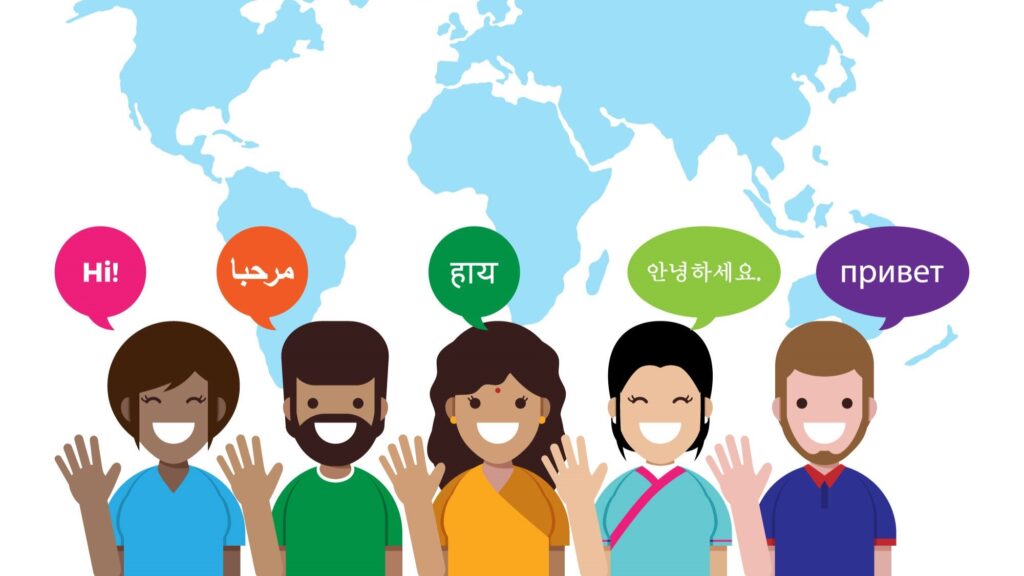

As technology companies expand beyond borders, one challenge consistently determines whether global growth succeeds or stalls: language. Smart translation for tech companies is no longer a “nice-to-have” feature added after launch—it has become a core business and product strategy. In a world where SaaS platforms, mobile apps, AI tools, and cloud products can reach global users instantly, even a small language gap can lead to poor adoption, high churn, and loss of trust.
Consider this: a powerful SaaS product with an English-only onboarding flow may technically be available worldwide, but users in Germany, Japan, or Brazil may struggle with setup instructions, misunderstood feature labels, or unclear error messages. The result? Higher drop-offs, more support tickets, and lower conversion rates—despite the product’s strong capabilities. This is why smart translation and localization are now critical to user experience, not just content delivery.
Smart translation goes beyond basic word-for-word conversion. It ensures that UI text, onboarding screens, help documentation, and in-app messages feel natural, clear, and culturally appropriate for each market. When supported by professional translation and localization services early in the product lifecycle, translation becomes a growth enabler—helping tech companies scale faster, reduce user friction, and build credibility in competitive international markets.
For tech companies aiming to scale globally, language directly impacts acquisition, retention, compliance, and brand perception. This article explores why smart translation matters, the risks of poor localization, best practices for tech teams, and how a structured translation strategy can turn language into a long-term growth advantage rather than a bottleneck.
Translation as a Growth Lever for Tech
Tech businesses operate on a fast-paced growth model. Businesses that offer cloud-based products, Software as a Service (SaaS), mobile applications or Artificial Intelligence (AI) tools can quickly have their products available to users around the world. Unfortunately, many tech companies do not consider the importance of translation for tech companies when developing and marketing their products; they believe that if they create their products only in English, they will be successful in entering the global marketplace.
The truth is this: Global customers are going to want a product with the language and culture they identify with. When the tech company develop a product, think about how they will communicate with users through onboarding screens, training resources, etc. The clarity of the multilingual material will help increase user acquisition, retention, and confidence in the brand. Thus, smartly translating and localizing the products will provide the tech company with a competitive advantage rather than just another expense.
Why Translation Matters for Tech Companies?
The main barrier between technology and users across the globe is language. The most revolutionary technology will fail if users do not understand how to use it.
Translate technology’s impact on tech growth to the following areas:
- User Acquisition – More people are likely to try a product if they can use it in their native language.
- User Retention – Users who use their native language to navigate through the product are more likely to return for future updates/support.
- Customer Trust – When we provide an accurate translation, it demonstrates professionalism and trustworthiness.
- Brand Image – Lower quality translations harm credibility, particularly in regulated and enterprise markets.
When we properly translate onboarding flows, we can expect a large decrease in drop-offs and support questions by translating properly.
Common Localization Challenges in Tech

Despite its importance, translation in tech environments is complex. Some of the most common localization challenges in tech include:
- Rapid content changes: Frequent updates, release notes, and feature launches.
- Technical terminology: Software, API, and engineering jargon require specialist knowledge.
- Poor source content: Unclear or inconsistent original text complicates translation.
- Multiple platforms: Websites, mobile apps, dashboards, and documentation all need consistency.
- Scalability issues: Ad-hoc translation does not work for fast-growing startups.
Without a structured translation strategy, these challenges can slow down international growth and increase costs.
Poor Translation = Poor User Experience
Global user experience localization goes beyond words. When translation quality is low, users feel confused, frustrated, or excluded.
Poor translations present many risks to the users:
- Wrong/Confusing instructions for users = errors
- Terminology is not consistent between UI & documentation
- Literal translations result in cultural issues
- More customers will submit support requests and then leave the product
Automated or rushed translation typically does not convey the right meaning within context. Software interfaces use a small number of words (every letter is essential).
Translation vs Localization in Tech: What’s the Difference?
Many teams confuse translation with localization, but they serve different purposes.
- Translation can be used to convert text from one language to another.
- Localization adapts content to the cultural, linguistic, and technical expectations of a region.
In tech, localization affects:
- UI/UX design and layout
- Date, currency, and unit formats
- Tone and terminology
- Accessibility and usability standards
For global user experience localization, both translation and localization must work together. By investing early in professional translation and localization services, tech companies can improve user experience, reduce churn, and scale confidently across global markets.
Software Translation Best Practices for Tech Teams
Leading technology firms view translation as an integral part of their product life cycle. Software translation best practices include the following:
- Creating localized-ready content from the beginning.
- Maintaining a terminology glossary and style guide.
- Employing translators who have both technical expertise and domain-specific knowledge for the translation project.
- Providing context by sending screenshots and other visual aids related to the project to the translator.
- Establishing ongoing localization processes that match the company’s Agile development methodology.
The above practices yield fewer errors, improved consistency, and decreased time to market.
Translation Strategy for Startups and Scaling Tech Apps Internationally
Startups typically delay translating their products, either because of budget or speed constraints. However, it is much easier for startups to expand into international markets if they have a plan in place at the outset.
Startups should develop a translation strategy that takes into account the following considerations:
- Prioritise language selection according to user incidence.
- Start with the most important texts, meaning UI, onboarding, and help centre content.
- Use a combination of automated and human-translated content.
- Incrementally add more translated content as the markets you are targeting grow.
This is an effective way of ensuring the quality of your products while maintaining a steady pace for innovation.
Integrating Translation into Tech Workflows
When tech teams incorporate translation throughout their entire process, they can create a more seamless experience for everyone involved in the project. The best way to achieve this is by:
- Connecting your content management system, design tools, and/or repositories directly to your translation pipeline.
- Providing context and guidelines for translators as part of the integration process.
- Timing your translation delivery with the release cycles of your products.
By using these methods, a technology company can ensure the highest quality translation quality in tech communication while not compromising the speed at which they develop its products.
Measuring Success: KPIs for Tech Localization
To justify investment, companies should track localization performance using clear metrics:
- User engagement by language or region
- Conversion and activation rates in local markets
- Reduction in language-related support tickets
- Turnaround time and translation quality benchmarks
Data-driven insights help refine multilingual strategies over time.
How VerboLabs Supports Tech Companies Globally?
VerboLabs partners with tech organisations to deliver scalable, accurate, and culturally aligned translation solutions. With expertise in software, SaaS, and digital platforms, VerboLabs supports:
- Product UI and UX localization
- Knowledge bases and help centres
- Technical documentation and release notes
- Marketing and training content
Their human-led approach ensures translation quality while adapting to agile and CI/CD workflows.
Conclusion
The ability to effectively translate provides technological companies with the tools to expand globally, while maintaining the highest levels of quality and performance through effectively using language as a growth engine instead of a hindrance. By investing in a smart translation strategy, tech companies can establish trust, increase the global reach of their products and ultimately achieve success on an international level.
Grow confidently with expert translation and localization.

Ready to scale your tech product globally? Partner with VerboLabs for smart translation and localization built for fast-growing tech teams.
Frequently Asked Questions (FAQ)
Tech companies operate in global markets. Translation ensures users understand products, features, and support content, improving adoption and engagement.
Translation changes language, while localization adapts content to cultural, technical, and user expectations, including UI and UX elements.
Rapid updates, technical terminology, inconsistent source text, and lack of context are major challenges.
Automation helps with speed, but human translators are essential for accuracy, context, and user experience.
Use clear language, avoid idioms, maintain glossaries, and provide context such as screenshots or design notes.
UI text, onboarding flows, help documentation, and product tutorials should be prioritised.
Timelines depend on volume, languages, and complexity. Structured workflows align translation with development cycles.
Timelines depend on volume, languages, and complexity. Structured workflows align translation with development cycles.
VerboLabs offers end-to-end translation and localization services tailored to tech products, ensuring consistency, accuracy, and global user experience.