Back when multilingual video content was still mostly handled manually, dubbing used to be painfully slow. Even a short video used to take forever to localize properly — translation revisions, studio timing issues, coordinating voice artists, fixing lip-sync problems, re-recording lines. And somehow, after all of that, there would still be one line that didn’t sound quite natural.
That’s probably why AI dubbing exploded so quickly once companies started experimenting with it.
For businesses publishing content globally, the appeal was obvious. Faster turnaround. Lower cost. Fewer production headaches. Suddenly, even smaller brands could think about releasing videos in five or six languages without burning through their budget.
But alongside the excitement came hesitation, too.
A lot of people still feel uneasy hearing terms like “voice cloning” or “AI-generated speech.” Some immediately think of scams or deepfakes. Others worry about privacy or whether their uploaded recordings are being stored somewhere permanently.
So when people ask, “Is dubbing AI safe?” the answer usually depends on what exactly they mean by safe.
Used responsibly, AI dubbing can save enormous amounts of time and effort. But if you use it the wrong way, it can lead to privacy problems, trust issues or even legal issues.
What is Dubbing AI?
AI dubbing is basically software-generated voice translation.
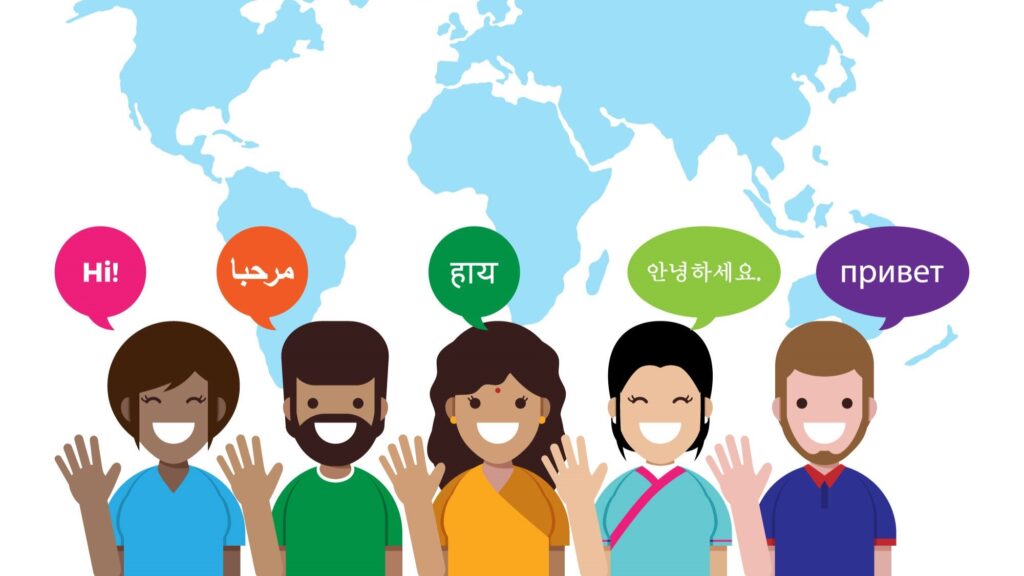
The system takes the spoken audio in one language, processes it, translates it, and creates a new voice track in another language. Some tools even try to match pauses, tone, or lip movement to make the output feel more natural.
Most AI dubbing platforms combine multiple technologies, such as:
- Speech recognition
- Translation engines
- AI-generated speech
- Lip-sync correction
- Voice replication systems
The end goal is fairly straightforward: to create multilingual content faster than traditional dubbing processes.
Picture a company producing a training video in English. Instead of shooting separate studio sessions for Hindi, Spanish, French, and German audiences, AI tools can automatically generate those versions in a far shorter time frame.
Of course, there are still limitations. AI voices sometimes miss emotional nuance. Pronunciations can sound strange occasionally. That’s one reason many serious companies still keep human reviewers involved.
How AI Is Used in Dubbing Today
AI dubbing started getting attention mainly through entertainment and streaming content. But honestly, it’s spread much further than that now.
Applications Across Industries
Today, businesses use AI dubbing for all kinds of content:
- E-learning courses
- Product tutorials
- YouTube videos
- Gaming content
- OTT platform releases
- Corporate training
- Marketing campaigns
- Healthcare explainers
For many businesses, the attraction is practical rather than flashy. Producing multilingual content manually just takes too long.
A startup with a small team can now localize videos for multiple regions without building a huge production setup. That accessibility changed the market quite a bit.
Is Dubbing AI Safe? Key Concerns Explained
The technology itself isn’t automatically unsafe. But there are definitely concerns businesses should think about before uploading content blindly into random AI tools.
Some concerns are technical. Others are ethical. Both matter.
Is AI Video Dubbing Safe?
Generally speaking, using established AI dubbing platforms is quite safe.
Most professional providers will have encrypted systems, access controls, and secure cloud storage for any uploaded content. Larger providers especially understand that clients care about confidentiality.
The problem is that not every tool online follows those standards.
Some platforms barely explain how uploaded recordings are handled. Others stay vague about whether voice samples are deleted afterward or stored indefinitely.
That lack of clarity is where people start getting uncomfortable.
Before using an AI dubbing platform, businesses should probably check:
- How uploaded files are stored
- Whether recordings are deleted after processing
- If voice samples are protected securely
- Whether privacy laws are followed
- If confidentiality agreements are available
If a provider avoids answering these questions clearly, that alone says something.
Is Dubbing AI Voice Changer Safe?
AI voice changers are everywhere now. Gamers use them. Streamers use them. Content creators use them for narration or accessibility.
On their own, voice-changing tools are not necessarily dangerous.
The bigger issue is consent.
Problems start when someone copies another person’s voice without permission or uses synthetic audio deceptively. That’s where ethical and legal concerns begin entering the picture.
And honestly, this is the part many businesses worry about most.
Most responsible companies usually follow some common-sense rules:
- Get permission before recreating voices
- Avoid misleading impersonations
- Don’t present synthetic audio dishonestly
The technology itself is not always the problem. Misuse usually is.
Data Privacy and Security Risks
One thing businesses sometimes underestimate is how much sensitive content gets uploaded into dubbing platforms.
That may include:
- Internal company presentations
- Employee training videos
- Product walkthroughs
- Educational material
- Customer support recordings
If these files end up on weak or poorly secured systems, the risks become obvious pretty quickly.
Some common concerns include:
- Unauthorized access
- Data leaks
- Weak cloud security
- Misuse of stored voice recordings
Industries like healthcare and finance tend to be extra cautious because privacy standards there are stricter to begin with.
Sometimes companies choose AI tools based only on price and ignore security completely. That usually isn’t a great idea.
Voice Authenticity and Ethical Implications
This is probably the most controversial side of AI dubbing today.
AI-generated voices have improved so much that listeners sometimes cannot tell whether the audio is synthetic or human anymore.
From a technology standpoint, that’s impressive.
From an ethical standpoint, it raises uncomfortable questions.
People now worry about things like:
- Deepfake audio
- Fake endorsements
- Political misinformation
- Non-consensual voice cloning
- Audio impersonation scams
Even companies with harmless intentions can face backlash if audiences feel manipulated.
That’s why transparency matters more than it used to.
Most responsible brands use AI dubbing for localization and accessibility — not for pretending synthetic voices are real people.
Real-Time Dubbing vs Traditional Dubbing
Traditional dubbing still has advantages that AI hasn’t fully replaced.
Human voice actors naturally understand emotional timing, sarcasm, humor, and cultural references in ways machines still struggle with occasionally. That emotional realism matters heavily in films and storytelling-focused content.
AI dubbing, however, is dramatically faster.
Something that once took several weeks can sometimes be completed in a few days.
Because of that, many companies now combine both workflows instead of treating them as competitors.
AI handles scale and speed. Human reviewers polish the final result afterward.
That hybrid setup is becoming increasingly common.
AI Dubbing vs Traditional Translation: Advantages and Disadvantages
AI dubbing simplifies multilingual production quite a bit, though it still comes with trade-offs.
Advantages:
- Faster turnaround times
- Lower production expenses
- Easier multilingual scaling
- Better efficiency for large projects
- Faster updates for recurring content
Disadvantages:
- Emotional tone can sound robotic
- Pronunciation errors still happen
- Cultural nuance may get lost
- Voice cloning concerns remain
- Quality varies heavily between platforms
Tutorials, explainers, and training videos often work very well with AI dubbing. Emotion-heavy storytelling usually still benefits more from human performance.
Benefits of AI Dubbing Platforms
Even with ongoing concerns, businesses continue adopting AI dubbing because the practical advantages are difficult to ignore.
Speed and Scalability
Companies can localize large volumes of content far faster than older dubbing workflows allowed.
That becomes extremely useful during international launches or global campaigns.
Cost Efficiency
Traditional dubbing becomes expensive quickly once multiple languages are involved. Studio sessions, translators, editors, and voice artists all add costs.
AI significantly reduces some of that production burden. For startups and smaller creators especially, that difference matters.
Multilingual Reach
AI dubbing also helps businesses expand internationally more easily.
One video can be adapted for several markets without rebuilding the workflow every single time. That flexibility helps brands communicate globally with far less friction.
Best Practices for Safe AI Dubbing
Businesses using AI dubbing should follow a few sensible precautions:
- Work with trusted providers
- Review privacy policies carefully
- Obtain consent before cloning voices
- Keep the human quality review involved
- Avoid deceptive AI-generated content
- Protect sensitive media properly
- Stay transparent where necessary
Most problems around AI dubbing come from irresponsible implementation rather than the technology itself.
Why VerboLabs Is Your Safe AI Dubbing Partner
VerboLabs combines AI-powered dubbing with professional human oversight to help brands localize content more securely and naturally.
Instead of relying entirely on automation, the company balances technology with human review to maintain both quality and authenticity.
Its services include:
- Human-reviewed AI dubbing
- Secure media handling
- Multilingual localization support
- Natural voice adaptation
- Scalable dubbing workflows
That combination helps businesses move faster without sacrificing trust or quality.
Conclusion
AI dubbing is no longer some experimental niche tool. It’s quickly becoming part of mainstream content production.
Businesses leverage it to lower localization costs, increase speed to production, and reach out to audiences across multiple regions more efficiently.
At the same time, privacy, consent, and ethical voice use concerns are very real.
The best bet is probably a middle way – using AI to be more efficient but also allowing room for human oversight in areas where accuracy, transparency and trust are essential.
Handled responsibly, AI dubbing can be incredibly useful.
Handled carelessly, it can create problems just as quickly.

Transform Your Videos with AI Dubbing – Start Now!
FAQs
Yes, in many cases it is safe, particularly when businesses work with providers that adhere to proper privacy and security standards.
Yes. When you are cloning a voice or trying to make an AI voice, consent does become important.
It can, if the technology is abused. Responsible providers often put safeguards in place to minimize deceptive use cases.
Find clear privacy policies, security standards, human review processes, and clear data handling practices.
The most common concerns are privacy, rogue voice cloning, deceptive synthetic audio, and translation errors.

VerboLabs is a leading provider of professional dubbing, voice-over, transcription, translation, and localization services in 120+ languages. We specialize in delivering culturally accurate content for videos, games, websites, and training modules. With a global network of native linguists and multimedia experts, we help brands connect with audiences worldwide. Whether you need subtitles for a film or full-service explainer video production, VerboLabs ensures quality, speed, and scalability.