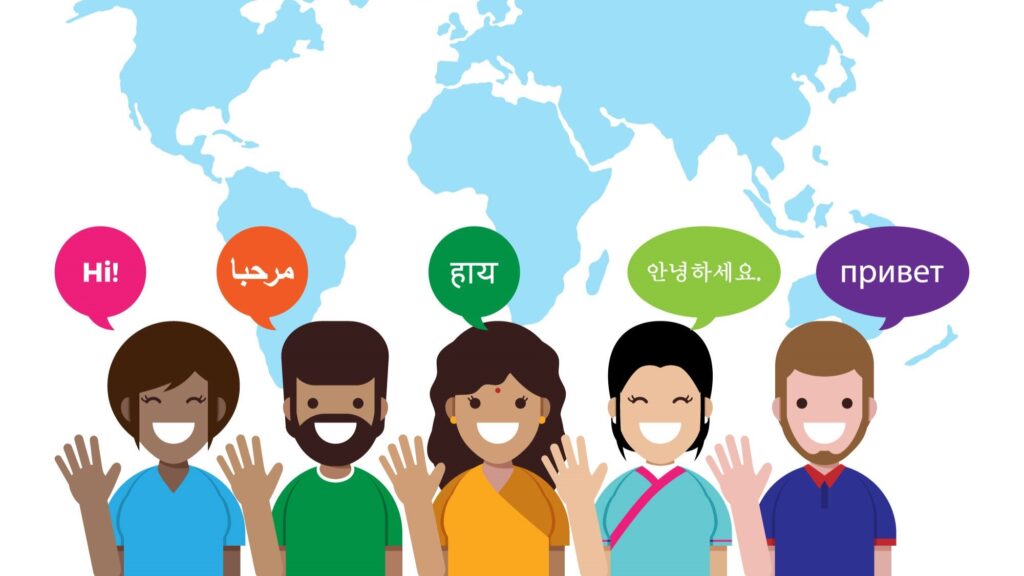
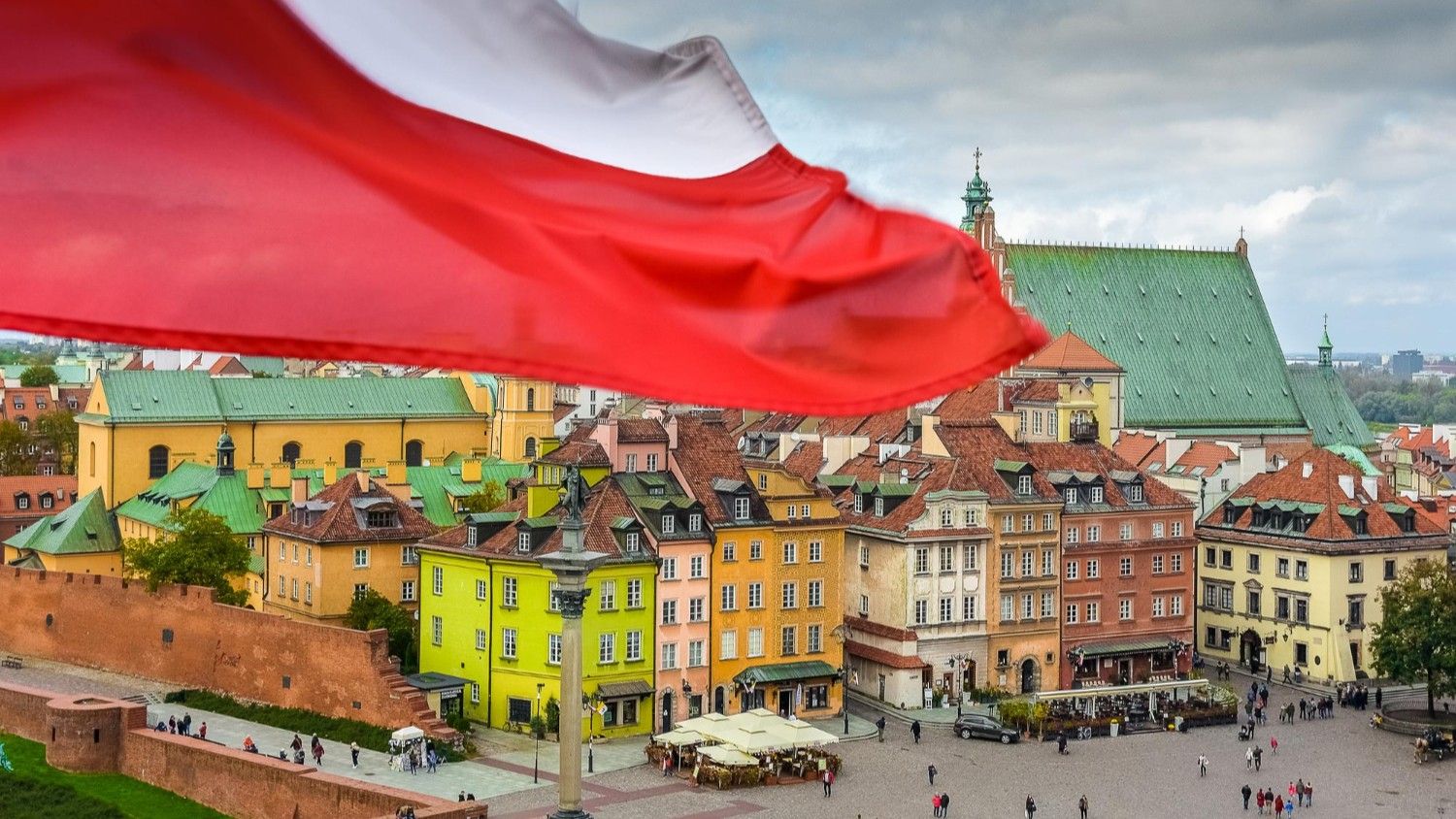
Polish is a Slavic language widely spoken in Europe and an important language for businesses in Central and Eastern Europe. As Poland continues to grow as a center for talent in manufacturing, IT outsourcing, gaming, fintech, and EU trade, businesses dealing with Polish partners or clients must be accurate, culturally conscious, and legally attentive in their communication.
Polish depends on grammatical cases, levels of formality, and contextual cues. For this reason, literal translations are often inaccurate, especially in legal, technical, or customer-facing materials. A single word mistake can change the meaning of a contract, undermine brand trust, or create compliance problems. That is why professional Polish language services go beyond basic translation to include localization, interpretation, and certified documentation tailored to business and regulatory needs.
This blog covers the Polish language services companies commonly require, frequent pitfalls in English-to-Polish translation, industry-specific examples, and how VerboLabs helps businesses enter the Polish market with clarity and confidence.
What Are Polish Language Services?
Polish language services go well beyond simple word-for-word translation between English and Polish. They are professional linguistic solutions that ensure clarity, legal compliance, and cultural fit.
These services commonly include translation, localization, interpretation, transcreation, and certified translations. Each service serves a specific purpose depending on business goals and regulatory needs.
There are varying challenges Polish may present as a language; it may be:
- Its case-based grammatical system
- Gender nouns and verb agreement
- Formal vs informal address rules in business and legal contexts are stringent
A literal English-to-Polish translation of a legal sentence can, if handled carelessly, shift responsibility or obligation. That is why you need experts.
Also read,
- How Language Evolution Affected Translation Services?
- Unlocking Growth: Key Benefits of Language Localization Services
Types of Polish Language Services Businesses Need
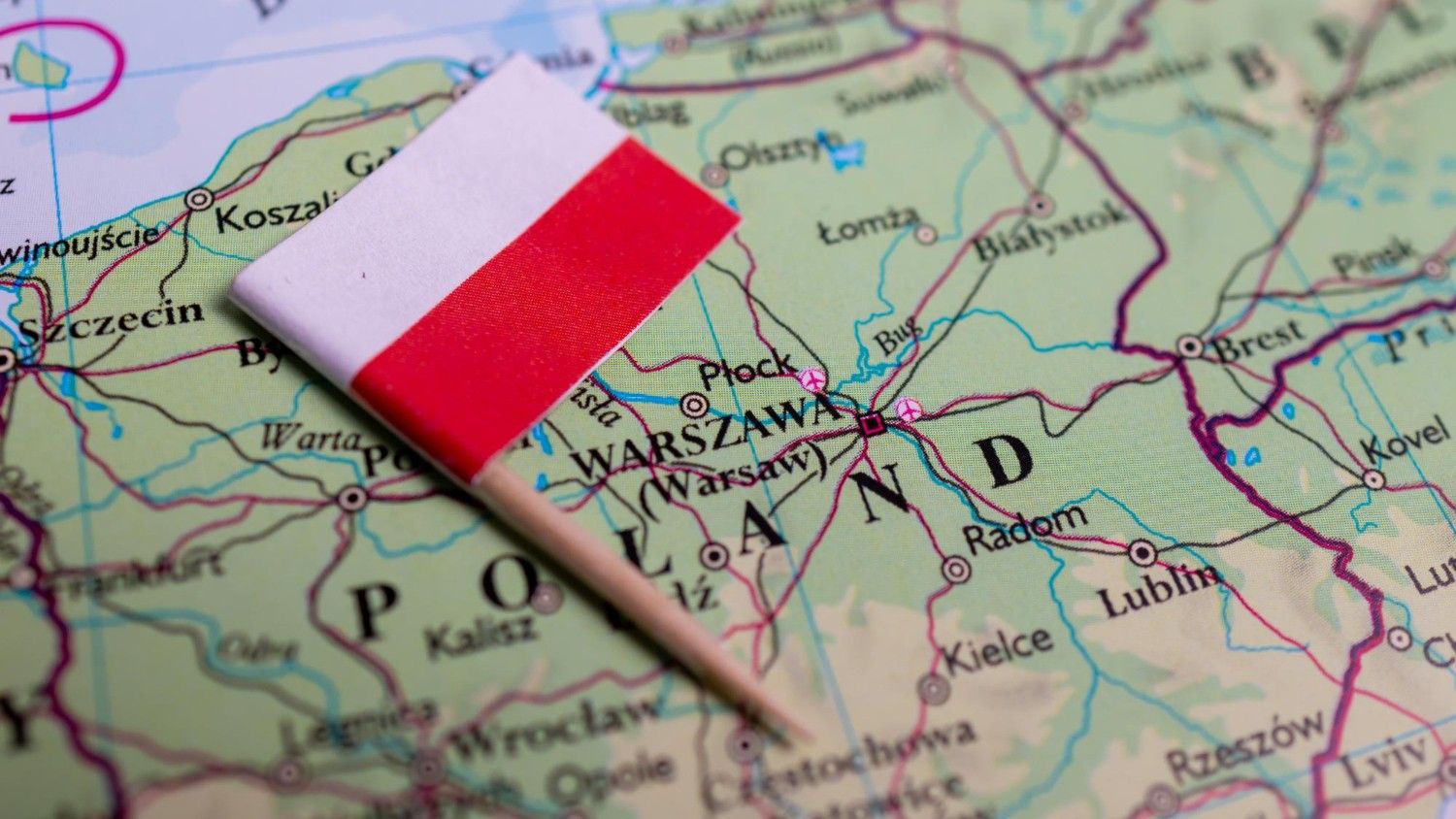
Different business situations need different types of linguistic support. Knowing the distinctions helps companies choose the right service rather than relying on one-size-fits-all translation.
1. Polish Translation Services
Polish translation covers the written conversion of documents to or from Polish while preserving meaning, accuracy, and an appropriate professional tone.
Common Use Cases
- Contracts and agreements
- Product manuals and technical documentation
- Sales and marketing resources
- Internal policies/ reports
In business translation, clarity and consistency are essential, particularly when documents have legal or financial implications.
2. Polish Localization Services
Polish localization services adapt content so it feels natural and appropriate for Polish users, not merely understandable.
Localization Includes
- Adapting UI/UX text in software or SaaS platforms
- Altering the dates, displays of prices, and currencies
- Localizing legal disclaimers and consent language
- Refining tone to align with Polish business communication norms
For example, a SaaS dashboard localized for Polish users must consider language length, appropriate level of formality, and clear legal terms to avoid confusion or mistrust.
3. Polish Interpreting Services
Polish interpreting services provide real-time spoken language support when clear and immediate communication is essential.
Typical Use Cases
- Business negotiations and meetings
- Conferences and corporate events
- Legal proceedings and depositions
- Medical appointments and consultations
In these settings, precision and cultural understanding matter as much as fluency.
4. Certified Polish Translation
Certified Polish translation provides professionally translated documents accompanied by a signed certificate of accuracy, ensuring the content is complete and faithful to the original. These translations are widely accepted for official, academic, and business purposes where sworn legalization is not required.
Typical Use Cases
- Academic certificates and transcripts
- Employment and HR documents
- Business contracts and reports
- Financial statements and records
- Internal legal and corporate documentation
In these scenarios, accuracy, consistency, and formal validation are essential to meet institutional and organizational requirements while avoiding unnecessary legal formalities.
5. Sworn Polish Translation
Sworn Polish translation provides legally valid translations carried out by a government-authorized sworn translator. These translations are officially recognized by courts, embassies, immigration authorities, universities, and public institutions in Poland and internationally.
Typical Use Cases
- Birth, marriage, and death certificates
- Court rulings and legal documents
- Immigration and visa applications
- Academic transcripts and diplomas
- Company registration and statutory documents
In such cases, legal accuracy and official certification are mandatory. Each sworn translation includes the translator’s seal, signature, and a certification statement confirming full accuracy and completeness. Using non-sworn translations for these purposes can result in rejections, delays, or legal complications, making sworn Polish translation a strict requirement rather than a preference.
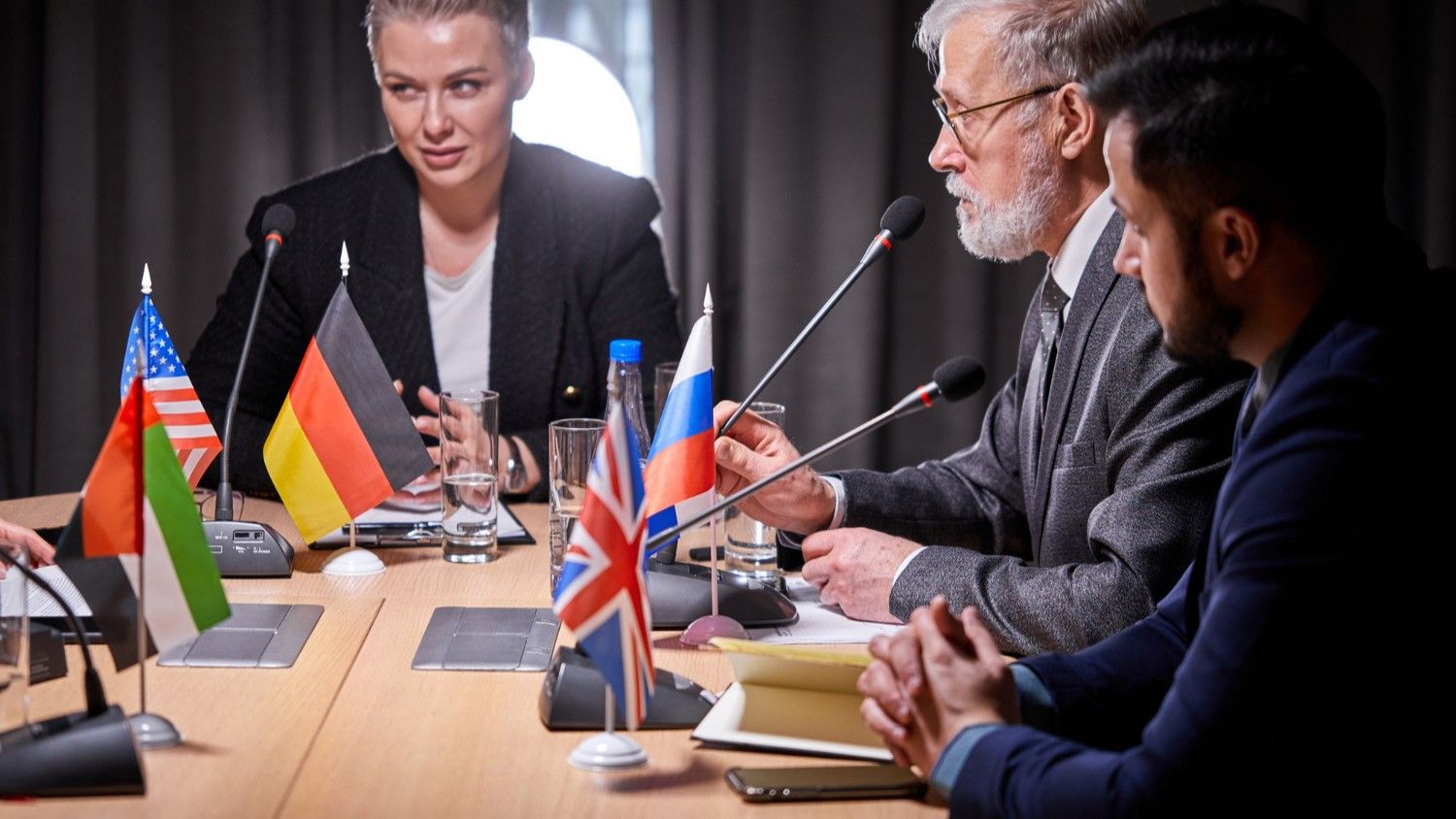
Industries That Commonly Require Polish Language Services
1. Legal & Compliance
Industries with strict legal or regulatory work need accurate Polish translations for contracts, court documents, and EU filings. Mistakes can trigger disputes, fines, or invalid agreements, so precision is essential.
2. Manufacturing & Engineering
Poland is a major manufacturing center. Companies in this field often need translations of SOPs, safety manuals, compliance paperwork, and technical specifications. Clear, exact wording keeps operations safe and compliant.
3. IT, Software & Gaming
Polish users expect localized interfaces, in‑game text, and support materials. Products that don’t adapt language and context properly can struggle with user adoption and retention.
4. E‑commerce & Retail
Localized product descriptions, return policies, customer support content, and checkout copy build trust with Polish shoppers. Properly translated content reduces friction and improves conversion rates.
5. Healthcare & Life Sciences
Medical records, clinical trial documents, and patient materials demand precise terminology and regulatory alignment. Even small errors can have serious consequences, so specialized translators are required.
Key Challenges in Polish Translation (And How Experts Solve Them)
Polish is written in a complex grammar with several case endings, and English sentence structures differ greatly from those in Poland. Polish business and legal communication is also strongly formalized. To get these details straight, one needs more than just language knowledge. The expertise of translators is based on familiarity with the subject, native-language fluency, and thorough examination of the texts to maintain accuracy, the right tone, and compliance with regulations.
Polish vs English: What Makes Translation Tricky?
Polish and English differ significantly in how meaning is constructed. In Polish, inflexion is much more important than word order, and formality is more significant within the professional setting. The word-to-word translation of the friendly or persuasive content that sounds appealing in the English language might seem ambiguous or implausible in the Polish language. Effective localization modifies the message to ensure it remains effective while avoiding violations of cultural and linguistic expectations.
Cost, Turnaround Time & Quality Factors
The price of professional Polish language services varies with several factors:
- Document length and word count
- Technical or legal complexity
- Certification requirements
- Urgency and turnaround expectations
Good agencies balance speed with accuracy. Proofreading, quality checks, and consistency reviews are essential, especially for legal documents and customer-facing materials.
How Professional Polish Language Services Drive Business Growth
Accurate Polish localization and translation make market entry smoother and safer. Clear, well‑adapted content builds trust with Polish customers and partners, lowers legal risk, and improves the user experience. For example, a SaaS company that translated onboarding and support materials into Polish typically sees lower churn, higher engagement, and fewer support tickets—outcomes that directly affect growth.
Why Choose VerboLabs for Polish Language Services
VerboLabs provides end-to-end Polish language support to any company that requires business-level reliability. Key strengths:
- Experienced Polish translators
- All kinds of language services, including translation, localization, interpreting, and certification
- Quality assurance and proofreading: Multi-step
- Start-up and entrepreneur scalable solutions
- Safe processes for legal and business secret documents
Conclusion
Entering the Polish market is not just about changing text from one language to another. Effective communication requires linguistic accuracy, cultural sensitivity, and administrative accuracy.
Professional Polish language services help organizations convey their message clearly, maintain credibility, and meet local requirements. Localization, interpretation, and translation should not be done as shortcuts to minimise risk and promote long-term, sustainable growth.
Having a seasoned language partner will also help maintain communication standards at an appropriate level and ensure professionalism at all touchpoints.

Partner with VerboLabs for professional Polish language services that ensure accuracy, compliance, and cultural precision.
Frequently Asked Questions (FAQs)
Polish language services cover translation, localization, interpreting, and certified translations between Polish and English.
Yes, courts, immigration offices, universities, and many government agencies require certified translations.
Common sectors are legal, manufacturing, IT and software (including gaming), healthcare, and e‑commerce.
Yes, Polish is a language with complex grammar, case endings, and other rules that require skilled translators.
The processing time may vary depending on the number of words and their complexity. Simple documents can be completed more quickly, while professional or certified work may take longer. Expedited services are usually available if faster processing is required.
Yes, VerboLabs deals with the localization of websites, software, apps, and enterprises.
Translation makes the text understandable, while localization adjusts it to match Polish culture, style, and audience expectations.