
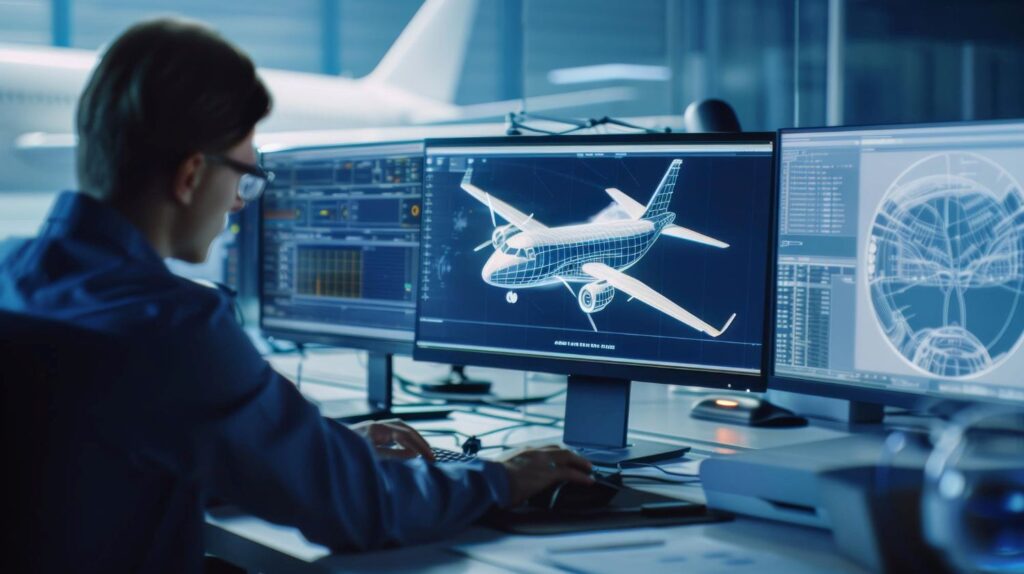
The aerospace and aviation industry runs on precision. Every bolt, wire, and instruction matters. In 2026, global partnerships are growing fast. Aircraft parts are designed in Germany, assembled in the US, and maintained in Asia.
This is why technical translation aerospace services are more important than ever. A small error in a manual can pose safety risks, legal issues, or substantial financial losses. Businesses must choose the right aviation translation services to stay compliant and safe.
This blog talks about aerospace & aviation technical translation in 2026, common mistakes to avoid, and how to get it right with the right translation partner.
Why Is Technical Translation in Aerospace So Critical in 2026?
The aviation sector depends on accurate documentation. Maintenance manuals, safety procedures, and engineering specifications must be clear and exact. A simple mistake in aerospace documentation translation can lead to:
- Wrong aircraft assembly
- Failed audits from regulators
- Safety risks during flight operations
For example, if a torque value in an aircraft manual is mistranslated, the part may be tightened incorrectly. This can create mechanical failure. Regulatory bodies like the Federal Aviation Administration (FAA) and European Union Aviation Safety Agency (EASA) require correct terminology. Non-compliance can delay certifications. This is why companies need a professional translation service that understands aviation standards.
What Is Technical Translation Aerospace in Aviation?
Technical translation in aerospace means translating complex aviation and engineering documents with full accuracy. It is different from general translation.
It includes:
- Maintenance manuals
- Engineering drawings
- Safety compliance documents
- R&D technical reports
For example, a French aircraft manufacturer may need a translation service for technical documents to convert a maintenance manual into English for US MRO teams. Unlike basic translation, this work requires subject matter experts. Only experienced translation service companies with aviation knowledge can handle this safely.
What Types of Aerospace Documents Need Aviation Translation Services?

Aviation involves different document categories. Each requires expert-level precision.
- Maintenance and Repair Manuals (MRMs): These manuals guide technicians step-by-step. Even a small word change can cause confusion. Accurate technical translation aerospace ensures safety and clarity in maintenance tasks.
- Engineering Specifications & Blueprints: These documents contain diagrams, measurements, and complex technical terms. A trusted best document translation service ensures all values and terms remain correct.
- Safety & Compliance Documents: Regulatory documents submitted to the FAA or EASA must be accurate. This is where certified translation services become essential. Certification ensures acceptance by regulatory bodies.
- Training Materials & SOPs: Pilot guides and maintenance training modules need to use the correct terminology. Here, both aviation translation services and localization services play a role.
- Technical Reports & R&D Papers: When aerospace companies collaborate internationally, R&D papers must be translated carefully.
A reliable language translation service for business helps global teams work smoothly.
What Are the Common Mistakes in Aerospace Documentation Translation?
Understanding mistakes helps avoid them.
- Ignoring Terminology Precision: Aviation terms such as yaw, pitch, and fuselage have precise meanings. A poor machine translation service may not understand this context.
- Over-Reliance on AI Translation Service: An AI translation service is fast, but it lacks domain understanding. It may mistranslate safety warnings or technical measurements. AI tools can assist, but human review is mandatory in technical translation aerospace.
- Regulatory Non-Compliance: Incorrect wording may result in the FAA or EASA rejecting the document. Only experienced professional translation service providers understand compliance language.
- Incorrect Unit Conversion: Europe uses metric units, while the US often uses imperial units. Strong localization services ensure correct measurement adaptation.
- Choosing Low Translation Service Cost Over Quality: Many companies focus only on translation service cost.
But cheap services may lead to costly rework later. In aerospace, mistakes are costly.
How to Get Technical Translation Aerospace Right in 2026?
Companies must follow best practices. Before selecting a provider, understand these core principles.
- Hire Specialized Linguists: Choose translators with engineering backgrounds. Not just bilingual experts.
- Use Glossaries and Translation Memory: Glossaries maintain consistency across documents. This improves long-term aerospace documentation translation quality.
Follow Multi-Stage QA Process:
- Initial translation
- Editing
- Proofreading
- Subject-matter review
- Final QA
This structured approach ensures the best document translation service results.
- Align with Industry Standards: Standards like ATA iSpec 2200 help maintain formatting consistency. Professional translation service companies follow such frameworks.
- Combine Human Expertise with AI Support: Use machine translation service tools only as support. Human experts must validate everything.
This hybrid model balances speed and accuracy in technical translation aerospace.
Technical Translation vs Localization Services: What’s the Difference?
Many people confuse these two terms. Below is a simple comparison to help you understand clearly:
| Technical Translation Aerospace | Localization Services |
| Converts text exactly | Adapts content for a specific market |
| Focuses on terminology precision | Adjusts units, formatting, and compliance |
| Required for manuals and specs | Required for training and operations adaptation |
In aerospace, both are important. For example, converting a European pilot training manual for US usage requires both aviation translation services and localization services.
How to Select the Right Translation Service Companies for Aerospace?
Before choosing a partner, carefully review these factors.
- Proven aerospace experience
- Certified linguists
- Secure data handling
- Multi-language capability
- Transparent translation service cost structure
A trusted language translation service for business ensures confidentiality and compliance. After evaluating these points, choose the provider that demonstrates real expertise, not just low pricing.
How Translation Service Cost Is Calculated in Aerospace?

Many clients ask about translation service cost.
Cost depends on:
- Word count and complexity
- Number of languages
- Certification requirements
- Urgency
- Technical formatting needs
A certified translation services provider may charge more, but it ensures compliance and acceptance. In aerospace, paying slightly higher for a professional translation service reduces long-term risk.
How VerboLabs Helps in Technical Translation Aerospace?
When it comes to technical translation aerospace, VerboLabs follows a structured and quality-driven approach.
Why Choose VerboLabs?
VerboLabs offers:
- Expert aviation translation services
- Native linguists with engineering knowledge
- Advanced QA workflows
- Secure document handling
- Competitive and transparent translation service cost
Support Includes:
- Maintenance manuals
- Engineering diagrams
- Compliance documentation
- Training and SOP materials
For Indian aerospace suppliers working with US or European partners, VerboLabs provides reliable aerospace documentation translation and language translation service for business solutions.
Conclusion
In 2026, aerospace and aviation businesses cannot afford translation mistakes. Accurate technical translation aerospace ensures safety, compliance, and smooth global collaboration. Over-reliance on AI translation service or low-cost providers increases risk.
Ensure your aerospace documentation meets global safety and regulatory standards—before audits or certifications are delayed.
Choosing experienced translation service companies, following quality control processes, and using certified experts is essential. With the right partner, such as VerboLabs, businesses can achieve accurate, compliant, and market-ready aviation documentation. This approach protects safety, reputation, and long-term growth in the global aerospace industry.
Expanding globally? Partner with VerboLabs for accurate, compliant aerospace translation.
Expanding into global aerospace markets? Accurate technical translation and aerospace services are the key to smooth certification and international collaboration.
Get in touch with VerboLabs for reliable aviation translation services backed by expert linguists and multi-stage quality assurance.

Expanding globally? Partner with VerboLabs for accurate, compliant aerospace translation.
Frequently Asked Questions (FAQs)
Translation of highly specialized aviation and aerospace content, such as maintenance manuals and engineering specs, with domain precision.
AI and automated tools lack domain nuance, often missing technical specificity and regulatory compliance.
Costs vary depending on volume, language pair, complexity, and certification needs — VerboLabs provides customized quotes.
Maintenance manuals, SOPs, compliance documents, safety instructions, technical reports, and training content.
Translation converts text; localization adapts it for market standards, cultural expectations, and regulatory context.
Certification and quality standards ensure consistency and regulatory acceptance.
VerboLabs uses expert linguists, terminology databases, multi-stage QA, and subject-matter validation workflows.
French, German, Spanish, Japanese, Russian, and more, based on OEM and international partners.