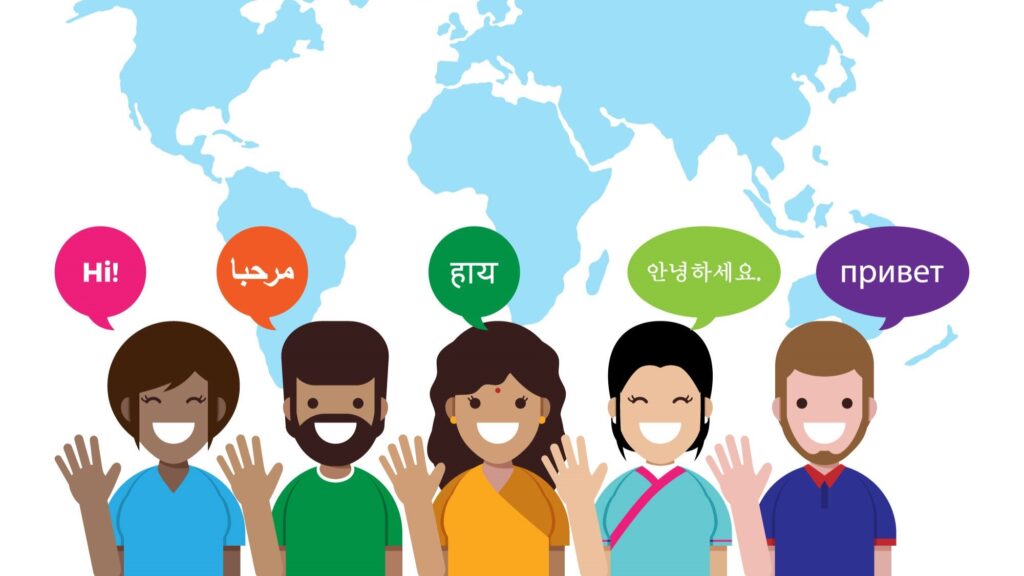

Voiceover content is no longer limited to studios or traditional media. In 2026, voiceovers power e-learning platforms, explainer videos, podcasts, ads, games, audiobooks, and global marketing campaigns. With AI-driven tools, remote recording setups, and rising demand for localized audio, the standards for voice quality and delivery have changed.
Today, successful voiceover work requires more than a good voice. Artists and businesses must focus on audio clarity, script understanding, AI-assisted enhancement, and professional editing workflows. Whether you are a beginner recording from home or a brand producing multilingual voice content at scale, following the right voiceover practices directly impacts engagement, credibility, and audience retention.
In this guide, we break down 10 essential voiceover tips for 2026, combining traditional techniques with modern AI tools and industry-tested workflows. These tips will help you produce clear, natural, and professional voiceovers suitable for global audiences and commercial use.
Voiceover vs AI Voice: When to Use Each
In 2026, AI-generated voices have become highly realistic, making them a practical choice for many projects. AI voiceovers excel in training videos, internal communications, e-learning modules, and repetitive content where speed and consistency are key. They reduce production time and cost while maintaining intelligibility across multiple languages.
However, human voiceovers remain irreplaceable for branding, storytelling, advertising, and any content that requires emotional nuance or persuasive impact. Human voice artists convey tone, inflection, and personality—elements that AI often struggles to replicate fully, especially in character-driven narration or commercials.
Many brands now adopt hybrid workflows, where AI is used for initial drafts or multi-language versions, and professional voice artists review or re-record key segments to ensure natural delivery. Providers like VerboLabs offer integrated workflows that combine AI efficiency with human oversight, ensuring both speed and high-quality output.
Common Voiceover Mistakes to Avoid
Even experienced professionals can make errors that compromise quality. Key mistakes include:
- Over-processing audio: Excessive noise reduction, compression, or effects can make voices sound artificial.
- Ignoring pacing for short-form content: Platforms like TikTok or Reels demand faster, snappier narration; slow delivery can reduce engagement.
- Using AI voices without human review: Automated outputs may mispronounce words, misalign with cultural context, or miss tonal subtleties.
- Poor script formatting: Without proper breaks, punctuation, and annotations, even the best voice artists struggle with natural delivery.
Avoiding these pitfalls ensures your voiceover is professional, clear, and engaging for the intended audience.
Voiceover Quality Checklist
A pre-export checklist guarantees your recordings are ready for publishing:
- Background noise removed: Ensure no hums, echoes, or external sounds remain.
- Consistent volume levels: Check all segments for uniform loudness.
- Clear pronunciation and articulation: Words should be easily understood in every language version.
- Correct pacing for the platform: Adjust timing for YouTube, LMS, social media, or audiobooks.
- Exported in the correct format: WAV for high-fidelity projects, MP3 for compressed delivery.
Following this checklist reduces post-production errors and ensures a professional listening experience.
Voiceover Requirements by Industry
Different industries demand distinct voiceover approaches:
- E-learning & Corporate Training: Clear, neutral, and instructional tone.
- Marketing & Ads: Energetic, persuasive, and emotive delivery.
- Gaming & Animation: Character-specific voices with expressive range.
- Audiobooks & Podcasts: Storytelling cadence, emotional nuance, and narrative consistency.
- Multilingual Content: Accurate regional accents, localized phrasing, and culturally appropriate tone.
Understanding these requirements helps brands tailor voiceovers for maximum audience impact.
Multilingual Voiceover & Localization
Direct translation alone is rarely sufficient for voice-overs. Localization ensures the script sounds natural, culturally accurate, and contextually appropriate for each audience. This includes:
- Cultural tone: Adjusting humor, expressions, and phrasing to fit the target audience.
- Pacing & accent considerations: Some languages require faster or slower delivery to maintain clarity.
- Regional voice preferences: Selecting native voice artists familiar with local dialects and pronunciation.
At VerboLabs, the process includes script adaptation, casting of native voice talent, and rigorous quality control, ensuring that multilingual voiceovers are accurate, natural, and engaging across all regions.
By integrating professional localization with voiceover production, brands can produce globally consistent, culturally resonant audio content that enhances engagement, builds trust, and supports international growth.
10 Essential Voiceover Tips
Here are 10 essential voiceover tips for 2026 that will help you record, edit, and deliver professional, engaging, and high-quality audio for any project.
1. Find the Right Spot
Recording in a controlled environment is crucial for high-quality voiceovers. If you don’t have access to a professional studio, opt for a quiet, carpeted room with minimal echo. Using soundproofing materials such as foam panels, blankets, or a portable vocal booth can significantly improve sound clarity.
Example: Many professional YouTubers and podcasters use Kaotica Eyeball or Aston Halo Reflection Filter for home studio setups.
Features:
- Reduces background noise and echo
- Easy to set up in any room
- Enhances sound clarity without expensive studio equipment
2. Use a Microphone Stand
Holding your microphone can result in unwanted noise and inconsistent audio levels. A boom arm or a mic stand ensures stability, allowing you to maintain a consistent distance from the microphone for optimal sound quality.
Example: A Neewer Adjustable Suspension Boom or RODE PSA1 can help maintain mic positioning for professional recordings.
Features:
- Prevents handling noise
- Ensures consistent distance from the mic
- Provides better posture and comfort while recording
3. Invest in a Pop Filter
Plosive sounds (like “p” and “b”) can distort recordings. A pop filter acts as a barrier between your mouth and the mic, reducing harsh sounds.
Example: The Stedman Proscreen XL is an industry-favorite pop filter that enhances voice clarity.
Features:
- Minimizes popping noises
- Enhances vocal clarity
- Affordable and easy to use
4. Stay Hydrated
Dry mouth can negatively impact voice clarity. Drink warm water or herbal tea before recording to keep your vocal cords hydrated. Avoid dairy or sugary drinks, as they can cause throat congestion.
Example: Professional voice actors like Tara Strong recommend warm lemon water with honey before recording.
Features:
- Prevents vocal strain
- Improves voice clarity
- Reduces mouth noises
5. Pre-Read and Understand the Script
Reading your script beforehand allows you to grasp tone, emotion, and pacing. AI-driven speech analysis tools such as Speechmatics or Descript can help analyze and adjust delivery based on text.
Example: Many audiobook narrators use Descript’s AI-powered text-to-speech tools to refine their delivery before recording.
Features:
- Improves natural flow and pacing
- Helps avoid unnecessary retakes
- Enhances emotional delivery
6. Experiment with AI-Driven Voiceover Tools
AI voiceover tools like Verbolabs, Murf.ai, and Resemble AI can help enhance voice modulation, adjust pitch, and even remove unwanted breaths automatically.
Example: Many e-learning professionals use Murf.ai to create natural-sounding training materials without extensive post-production.
Features:
- AI-assisted voice refinement
- Automatic breath and noise reduction
- Voice cloning for consistency
7. Perfect Your Demo Reel
Your demo reel represents your skills and should showcase various tones, accents, and genres. Use professional editing software like Adobe Audition or Audacity to fine-tune your recordings.
Example: Animation voice actors often include a mix of character voices, narrations, and commercial reads in their demo reels.
Features:
- Attracts potential clients
- Demonstrates vocal versatility
- Helps in branding as a voiceover artist
8. Always Save Your Work
Losing recordings can be frustrating. Save your files in multiple locations, such as cloud storage (Google Drive, Dropbox) and an external hard drive.
Example: Many professional studios use Backblaze or Google Drive for automatic cloud backups.
Features:
- Prevents loss of important recordings
- Ensures easy access from anywhere
- Provides version control for edits
9. Read Aloud Daily to Improve Articulation
Reading books, news articles, or scripts out loud daily improves diction, tone, and pacing. Apps like Voice Coach AI provide feedback on your pronunciation and clarity.
Example: Voice actors often read classic literature or poetry to practice varying emotions and tones.
Features:
- Enhances pronunciation
- Improves voice control
- Builds confidence in delivery
10. Learn Audio Editing
Knowing how to edit your recordings can save time and enhance quality. Learning Adobe Audition, Reaper, or GarageBand allows you to tweak audio, remove background noise, and perfect your delivery.
Example: Many audiobook narrators use Reaper with the Ultraschall plugin for professional-grade editing.
Features:
- Allows precise audio corrections
- Reduces background noise
- Enhances overall sound quality
Final Thoughts
Voiceover success in 2026 depends on a balance of strong vocal fundamentals and smart use of AI-powered tools. From choosing the right recording environment to mastering audio editing, pacing, and script delivery, every step shapes how your voice is perceived by listeners. Following the 10 tips about voiceover ensures that your recordings are professional, clear, and engaging, whether for commercial projects, e-learning, or multimedia content.
While AI tools can speed up production and improve consistency, human expertise remains essential for emotional delivery, cultural nuance, and brand trust—especially for multilingual or high-stakes projects.
For businesses, creators, and educators who want voiceovers that sound natural, engaging, and globally relevant, partnering with professionals makes a real difference. VerboLabs provides end-to-end voiceover services, combining experienced voice artists, AI-assisted workflows, and localization expertise to help your content resonate with audiences worldwide.

Bring your content to life with professional voiceovers—Partner with VerboLabs today!
Frequently Asked Questions (FAQs)
The top choices include Shure SM7B, Rode NT1, and Audio-Technica AT2020. Condenser or dynamic mics work best depending on your recording environment and project type.
Yes! With a quiet, acoustically treated room, a good microphone, pop filter, and editing software, you can produce high-quality voiceovers suitable for commercial or online content.
Regular practice with scripts, voice training programs, and AI tools like Murf.ai or VerboLabs voice analysis can help refine pitch, pacing, and emotional delivery.
AI voices work well for internal content, training, or repetitive scripts, while human voiceovers are better for ads, storytelling, and branding. Hybrid workflows combining both are increasingly popular.
Focus on proper pacing, clear pronunciation, understanding the script, and recording in a controlled environment. AI-assisted editing can enhance clarity without losing natural emotion.
Avoid over-processing audio, poor pacing, ignoring script formatting, and using AI voices without review, as these reduce quality and listener engagement.
Simply translating a script isn’t enough. Localization, regional accents, cultural tone, and native voice talent are key. Providers like VerboLabs ensure accurate, culturally relevant, and high-quality multilingual recordings.