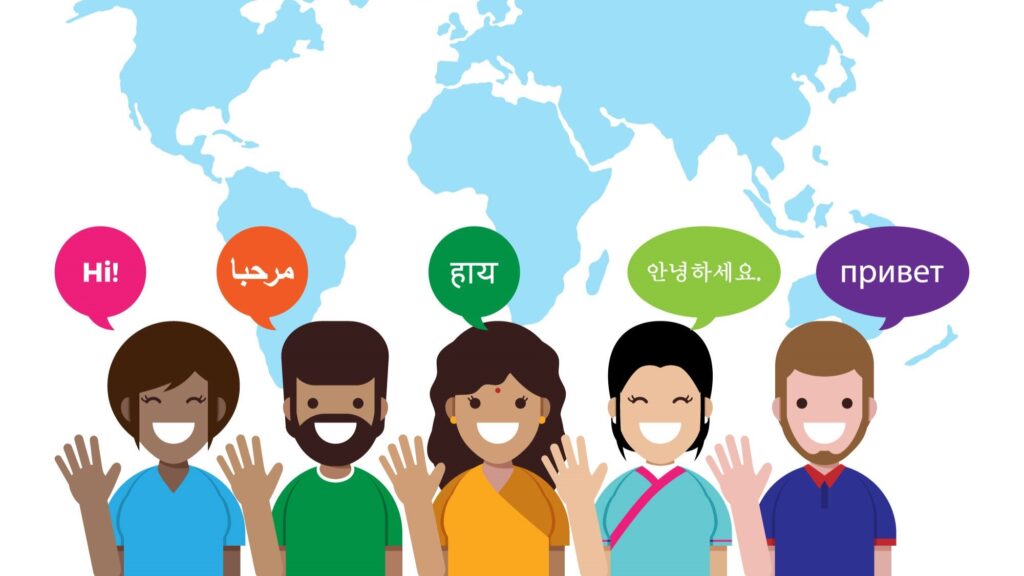
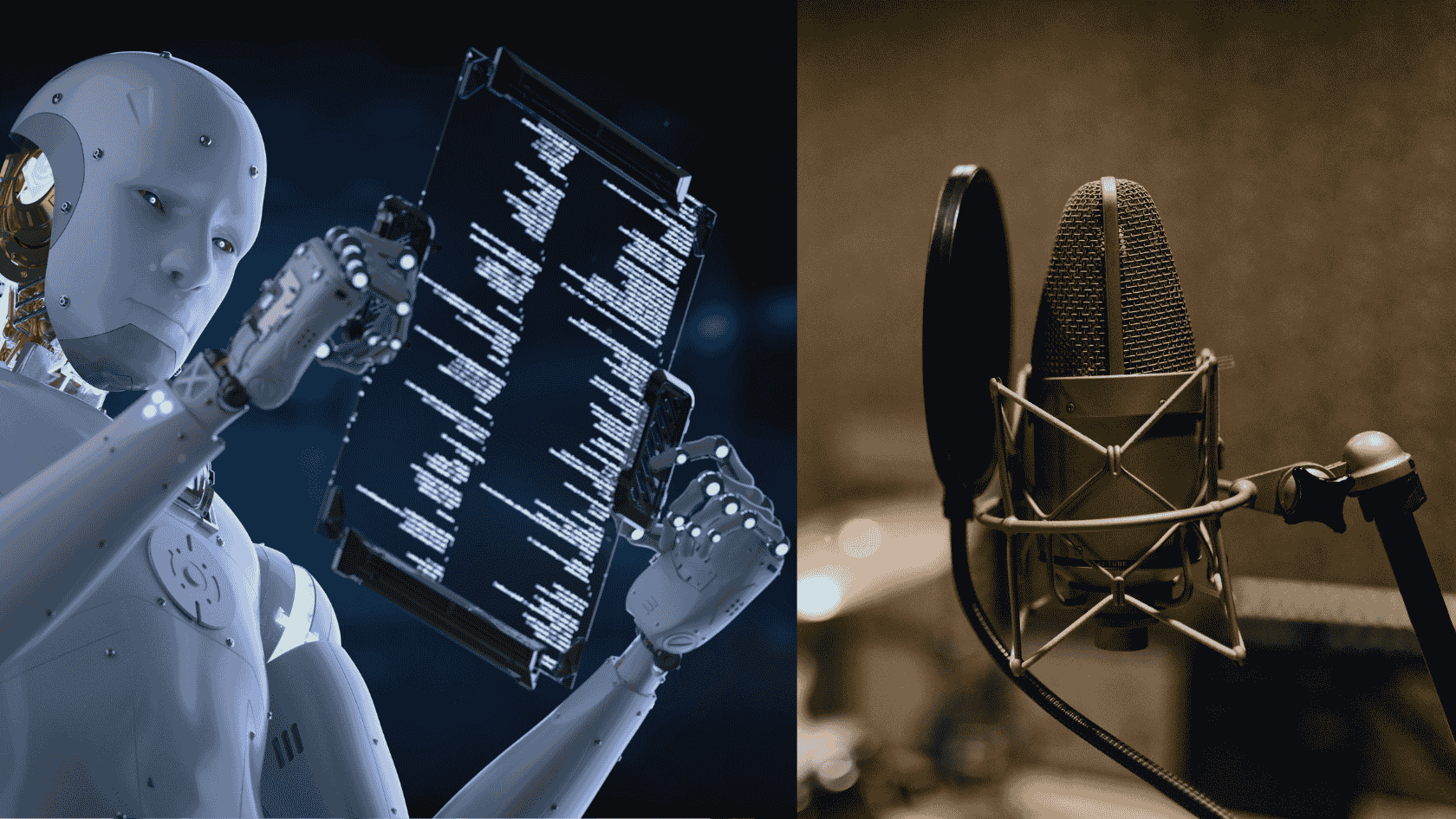
The entertainment industry is evolving at a faster pace than ever before. Artificial Intelligence (AI) is transforming various aspects of content creation and delivery. For example, AI dubbing technology is revolutionizing the way content is dubbed. But what does this shift really mean for the future of voice acting? The debate of AI dubbing vs voice actors is now at the center of the industry, raising questions about creativity, authenticity, and the role of human talent in a technology-driven era.
In this blog, we’ll explore the future of voice acting, the rise of AI dubbing, the challenges and opportunities ahead, and whether AI will replace human voice artists.
AI dubbing technology is revolutionizing the way content is dubbed. For studios and creators exploring these innovations, professional AI dubbing services are making it easier to scale content globally without compromising speed or accessibility.
The Evolution of Voice Acting and Dubbing
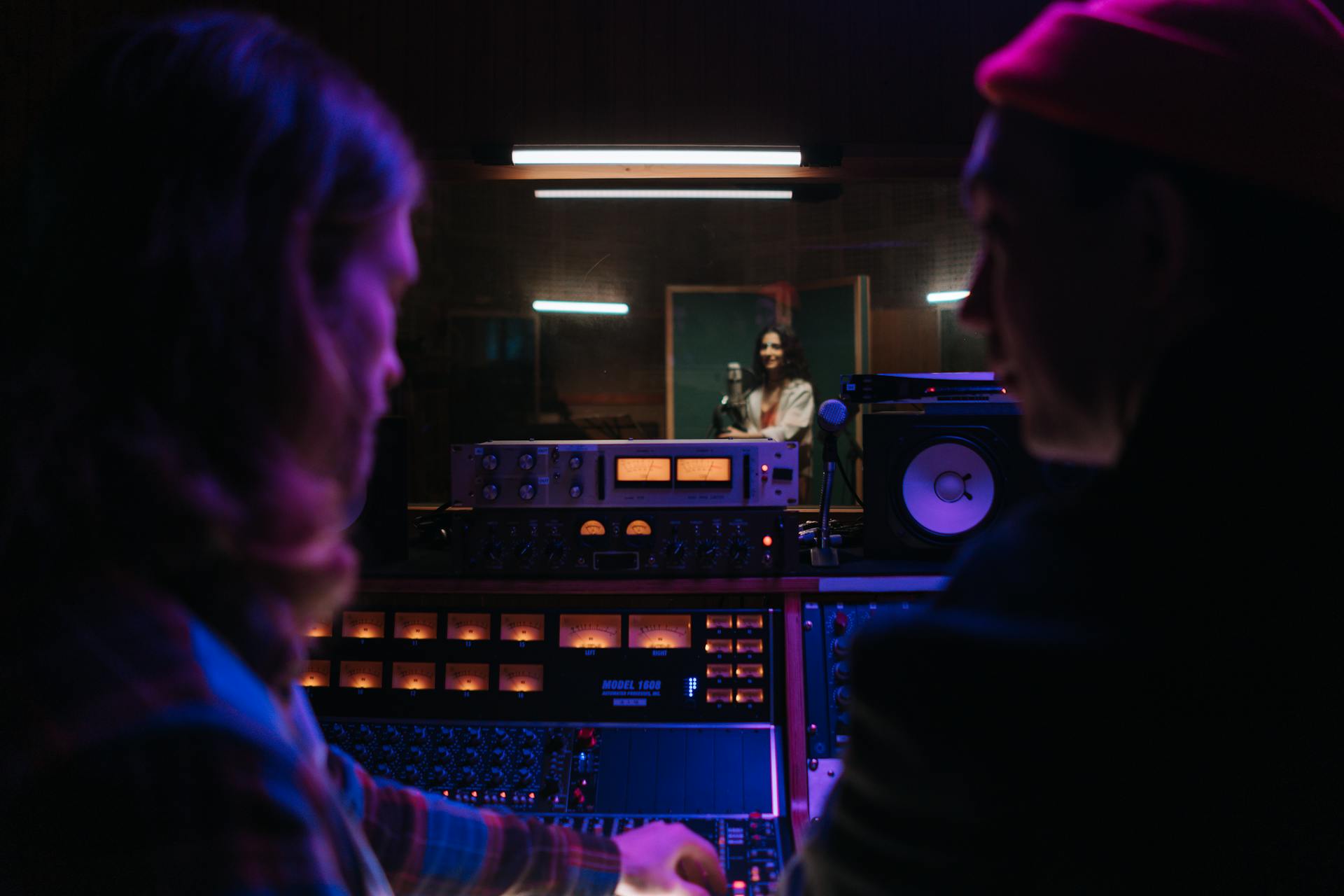
Voice acting has historically been a significant part of the entertainment industry. From radio drama, animated films, audiobooks, gaming, and multilingual film dubbing, human voice artists have enhanced content through their vocal performances for a long time.
Dubbing has been especially useful for the global distribution of media. Dubbing movies, television series, and educational content enabled filmmakers to share their creations across language barriers. Previously, dubbing relied primarily on human actors who could lip sync and match the emotional tone of a performance while translating content from one language to another.
With the dramatic rise of OTT and digital platforms, dubbing has become essential for global distribution. Partnering with experts like VerboLabs, which provides ISO-certified localization and dubbing solutions, ensures that content creators can meet diverse audience demands with consistency and quality.
Also read,
- How To Become an Anime Voice Actor?
- AI Dubbing vs Traditional Dubbing: 9 Ways AI Is Changing the Game
- How to Choose the Perfect Voice Narrator for Your Audio Project?
How AI Dubbing Is Impacting the Voiceover Industry
AI dubbing utilizes machine learning models, neural networks, and natural language processing (NLP) to translate spoken dialogue into various languages, while aiming to preserve tone, timing, and lip sync. Companies are increasingly adopting this technology to meet the growing demand for multilingual services.
This has created significant disruption in the voiceover industry:
- Faster production cycles: AI can generate dubbing in hours instead of weeks, enabling streaming platforms to release content simultaneously across countries.
- Cost reduction: The cost of hiring multiple voice actors, recording studios, and post-production teams can be drastically reduced.
- Wider accessibility: Smaller companies and educational platforms can now afford professional-sounding dubbing without massive budgets.
While this is beneficial for content creators, it also puts pressure on traditional voice actors whose roles risk being automated. To stay competitive, many production houses are combining traditional dubbing expertise with advanced tools through providers offering dubbing and voice-over services. This approach balances efficiency with the authenticity that audiences expect.
Challenges Voice Actors Face with AI Growth
AI’s rapid adoption raises multiple challenges for human voice artists:
- Reduced job opportunities: As companies opt for faster, cheaper AI solutions, fewer projects may require large dubbing teams.
- Price competition: Even when human dubbing is still required, rates may decrease as AI provides a lower-cost alternative.
- Loss of emotional nuance: Although AI is improving, many projects that don’t prioritize high artistic value may settle for AI voices over human talent.
- Intellectual property concerns: Voice cloning raises ethical and legal issues, as AI may potentially use samples of human voices without providing fair compensation.
Opportunities for Human Voice Artists in an AI-Driven Market
The rise of AI doesn’t necessarily mean the end of human voice acting. Instead, it signals an industry shift — one that could open new doors for artists willing to adapt.
Character Dubbing For Films & Animation
Complex emotional performances, unique character voices, and highly creative dubbing will continue to be areas where human actors excel. Animated films, high-budget dramas, and video games often rely heavily on distinct, emotionally resonant performances that AI has yet to replicate convincingly.
Creative Voice Artistry
AI may be efficient, but creativity is still a human strength. Projects that require improvisation, cultural sensitivity, humour, or highly stylized voices will continue to need talented human actors. Moreover, directors and production teams may prefer the collaborative energy that comes from working with real performers.
In addition, some artists may consider voice consulting, working alongside AI engineers to enhance model training, ensure authenticity, and even license their voices for ethical AI use — thereby creating new revenue streams.
Will AI Replace Voice Actors Completely?
The short answer is: unlikely.
While AI dubbing has made incredible strides, it still faces limitations in:
- Emotional depth: AI-generated voices often sound accurate but may lack subtle emotional cues, timing variations, or the “soul” of a performance.
- Cultural context: Human actors bring an understanding of cultural humour, idioms, and sensitivities that machines still struggle with.
- Ethical standards: The use of AI voices without consent or compensation is already sparking industry-wide debates. Many companies remain cautious about fully automating creative roles.
In practice, we’re likely heading toward a hybrid model — AI for efficiency, and humans for quality and emotional authenticity. The discussion around AI dubbing vs voice actors highlights this balance, as studios may use AI for background voices, educational content, or quick turnarounds, while keeping human actors for key roles and creative projects.
Final Thoughts: A Balanced Future Between AI and Humans
The rise of AI dubbing represents both a challenge and an opportunity. For voice actors, the key lies in adaptation. Embracing new technologies, exploring voice licensing, consulting, and specializing in areas where human artistry is irreplaceable will help professionals remain relevant and competitive.
AI dubbing vs voice actors is not a simple competition; it’s an evolving partnership. As the entertainment industry continues to grow globally, both humans and AI will likely coexist, complementing each other’s strengths — machines providing speed and scale, and humans delivering creativity, emotion, and cultural authenticity..
Whether through scalable AI dubbing services or human-driven voice artistry, the future lies in collaboration. By working with localization leaders like VerboLabs, creators can embrace a hybrid model that delivers speed, reach, and emotional depth to global audiences.
The future of voice acting will be less about replacement and more about transformation. In this world, technology handles the mechanical aspects, while human talent continues to bring stories to life in ways no algorithm can fully replicate.

Discover how VerboLabs blends AI efficiency with professional voice actors to deliver authentic, scalable dubbing solutions for global audiences.
FAQs
AI won’t fully replace human voice actors. It speeds up production and reduces costs, but emotional depth, cultural accuracy, and creative expression still require human talent—especially for films, games, and character-driven content.
AI dubbing will become faster, more natural, and more scalable, especially for large volumes of content. However, hybrid models—AI for speed, humans for quality—will likely dominate professional workflows.
Yes, voice acting absolutely has a future. Human actors deliver nuanced emotions, realism, and context-aware performances that AI still can’t match, making them essential for storytelling and premium productions.
Netflix primarily uses human dubbing, but it is testing AI-assisted tools for lip sync, mixing, and quality enhancement. Full AI voices are not widely deployed for major releases.
AI dubbing uses speech synthesis and machine learning to recreate voices in multiple languages. It automates translation, lip sync, and voice cloning to deliver quick and affordable multilingual versions of content.
AI dubbing is good for speed, consistency, and high-volume content. For emotional scenes or brand-sensitive content, human dubbing still offers better expression and cultural fidelity.
Yes, AI tools can generate voiceovers for training videos, social content, product demos, and explainer videos. For polished entertainment or broadcast-quality projects, creators often combine AI output with human review or professional studios.
AI voices are fast and consistent but may sound slightly mechanical in emotional scenes. Human voices capture subtle feelings, tone shifts, and personality, delivering higher impact for storytelling.
Use AI dubbing for speed, scale, and budget-friendly projects like e-learning, product videos, or internal communication. Choose human dubbing for films, ads, characters, or anything requiring emotional depth and cultural accuracy. Professional studios like VerboLabs help brands find the right balance with hybrid human-AI workflows when needed.