
An explainer video is a short marketing video that simplifies a complex product, service, or process to help B2B buyers understand and act faster. In B2B marketing, how you explain your product can win—or lose—the deal. Explainer videos turn complex ideas into clear stories that keep buyers engaged and moving through the funnel. Choosing the right style—Animated vs. Live-Action Explainer Videos B2B—is a key decision, since it shapes how effectively your message connects with buyers.
So, which approach works best for B2B video marketing—animated explainer videos or live-action explainer videos? The choice shapes cost, storytelling, brand perception, and lead quality. At VerboLabs, we specialize in B2B explainer video production that turns complex B2B ideas into simple, engaging stories.
This guide breaks down both styles and helps you pick the right fit for your B2B explainer video services.
Why Style Matters in B2B Explainer Videos
The choice between animated and live-action explainer videos directly impacts cost, storytelling power, brand credibility, and lead generation in B2B marketing. Don’t follow trends—choose the format that fits your audience, product, and sales goals.
Let’s break down the strengths of both and determine which one is best suited for your B2B video marketing strategy.
What Are Animated Explainer Videos?

Animated explainer videos are videos that utilize graphics, characters, and motion design to explain complex B2B products and processes simply and engagingly. Animated explainer videos use graphics, motion design, and visual storytelling to explain a concept, product, or process. They’re a popular choice in B2B because they make complicated topics simple and visually appealing. Our video creation services often use animation to help B2B companies explain software workflows, technical processes, and abstract solutions effectively.
Benefits:
- Clarity: Animation can illustrate ideas that are hard to capture on camera, like software workflows, abstract services, or technical processes.
- Scalability: Once created, they’re easy to update — no need to re-shoot or bring back actors.
- Creative freedom: You can build worlds, characters, or diagrams that fit your brand perfectly without worrying about real-world limitations.
- Cost-effective for complex topics: While animation has production costs, it can be cheaper than coordinating sets, locations, and actors for intricate subjects.
- Consistent branding: Fonts, colors, and icons can align perfectly with brand guidelines, reinforcing identity in every frame.
Use cases:
- SaaS product walkthroughs
- Financial services explanations
- Healthcare process overviews
- Manufacturing or supply chain visuals
- Training and onboarding modules
Industries that rely on animated explainer videos:
- Technology & SaaS
- Finance & Banking
- Healthcare & Pharma
- E-learning & Training
- Manufacturing & Logistics
Different animation styles (2D, 3D, whiteboard, motion graphics) offer flexibility in tone, complexity, and cost. For example, 3D animation might be ideal for a product prototype, while flat 2D works well for quick service explainers.
What Are Live-Action Explainer Videos?
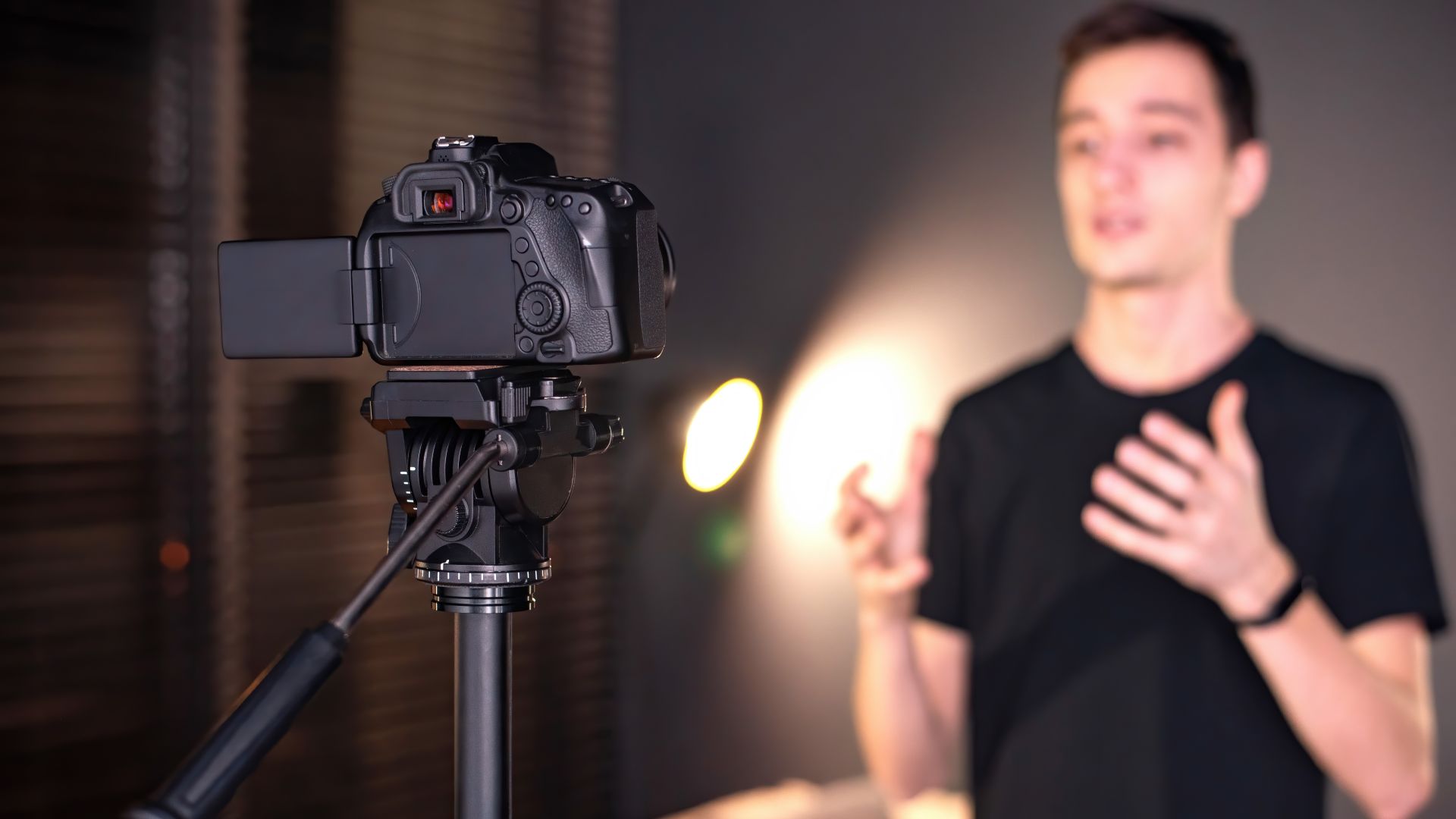
Live-action explainer videos utilize real people, real settings, and authentic product shots to showcase solutions with authenticity and a human connection. They’re ideal for human connection, authenticity, and showcasing physical products or environments. Through explainer video production, live-action formats help brands highlight real people, product demonstrations, and client success stories that resonate with decision-makers.
Types of Explainer Videos & When To Use Them
Animated explainer videos → great for SaaS, finance, and training.
Live-action explainer videos → great for physical products, testimonials, and brand culture.
Hybrid explainer videos → ideal for combining trust + clarity.
Benefits:
- Human touch: Seeing real faces builds trust and emotional connection — important in B2B relationships.
- Product realism: If you’re selling a physical product, a live demo shows exactly what the buyer is getting.
- Brand credibility: High-quality live-action videos can feel polished and premium, aligning with professional buyers’ expectations.
- Relatable stories: Testimonials, interviews, or behind-the-scenes footage bring case studies and client stories to life.
Limitations:
- Less flexibility: Any change (like a UI update or process tweak) might require a re-shoot.
- Higher logistical costs: Hiring actors, booking locations, and arranging production can drive up budgets.
- Geographic restrictions: Filming often requires on-site presence, which can slow down timelines.
Best use cases:
- Corporate culture videos
- Customer testimonials and case studies
- Product demos for physical goods
- Behind-the-scenes tours
- Thought leadership interviews
Whether you choose animated, live-action, or hybrid, VerboLabs can craft the right explainer video tailored to your B2B sales journey.
Key comparison: Cost, Engagement, Storytelling, Scalability
The choice between animated and live-action explainer videos depends on your product type, audience needs, and sales goals. To decide which format works best, let’s put them side by side:
| Factor | Animated Explainer Videos | Live-Action Explainer Videos |
| Cost | Moderate to high, depending on complexity, but predictable and update-friendly | Higher for shoots, talent, and location; re-shoots add cost |
| Engagement | High for technical or abstract topics — keeps visuals fresh and dynamic | High for emotional connection and showcasing real products |
| Storytelling | Great for breaking down complex processes into simple steps | Great for authentic, people-driven narratives |
| Scalability | Easy to update, translate, or localise with minimal extra cost | Updates require new filming, which takes time and money |
Animation shines when your product or service is complex, digital, or frequently updated. Live-action wins when human trust, physical demonstrations, or storytelling from real people are central to your sales process. Animated explainer videos are best for technical clarity and scalability, while live-action explainer videos are best for authenticity and trust-building.
Which Style Works Best for B2B Lead Generation?
Both formats can drive leads if used strategically. The “best” choice depends on your audience, sales cycle, and marketing channels.
- For top-of-funnel education: Animated videos excel at explaining broad concepts, building awareness, and making complex ideas easy to grasp. Perfect for LinkedIn, websites, and trade shows.
- For mid-to-late funnel conversion: Live-action videos featuring client testimonials, product demos, or expert interviews build trust, answer objections, and nudge prospects toward a decision.
Some companies even split their approach, using animation to explain how the product works and live-action for human stories and credibility-building.
Hybrid Approach: Combining Animation With Live-Action
You don’t always have to choose one or the other. A hybrid video that mixes live-action and animation can deliver the best of both worlds:
- Use live-action to show real people and products.
- Add animation to clarify data, illustrate workflows, or highlight features on screen.
- Combine testimonial clips with motion graphics to maintain high energy and reinforce key points.
This approach works exceptionally well in B2B video marketing where buyers need both a logical explanation (how it works) and an emotional connection (why it matters). It also stretches your budget by reusing footage with updated graphics rather than re-shooting. Our video creation services frequently blend animation and live-action, giving clients maximum flexibility for campaigns, updates, and audience engagement.
Conclusion
For B2B video marketing, animated explainer videos simplify complexity, live-action builds trust, and a hybrid approach gives the best of both. — It’s about which works for your product, audience, and sales goals.
Animation simplifies complexity and updates easily. Live-action builds trust and shows the real product. Many teams combine both for full-funnel impact.
Ready to scale your B2B video marketing? Explore our B2B explainer video services and get a video that explains, engages, and converts. Ready to scale your B2B marketing with impactful visuals? Partner with VerboLabs for professional explainer video production and full-service video creation services. Let’s create a video that explains, engages, and converts.

Transform your B2B marketing with the right explainer video. Partner with VerboLabs for professional animated and live-action video services.
To combine product clarity with human storytelling, stretching budgets and boosting engagement.
Both can work—animated attracts attention early, live-action builds credibility later.
When trust, physical demonstrations, or client stories matter most.
When your product is technical, abstract, or constantly evolving.
Because it determines how clearly you explain your product, how credible you appear, and how effectively you convert leads.
Choose animated if your product is complex or digital. Choose live-action if trust, people, or physical products matter most.
Animated videos are scalable and clear, while live-action videos are authentic and relatable. Your audience and goals decide the fit.
Use animated for SaaS or abstract topics, live-action for testimonials and demos, and hybrid for a balance of both.
Animation is flexible, brand-consistent, and cost-effective for updates. Live-action builds trust but costs more to re-shoot.
If your product is software or technical → animation. If it’s physical or people-driven → live-action. Many B2B brands use both.
Animated examples: SaaS walkthroughs, training modules. Live-action examples: product demos, testimonials, culture videos.