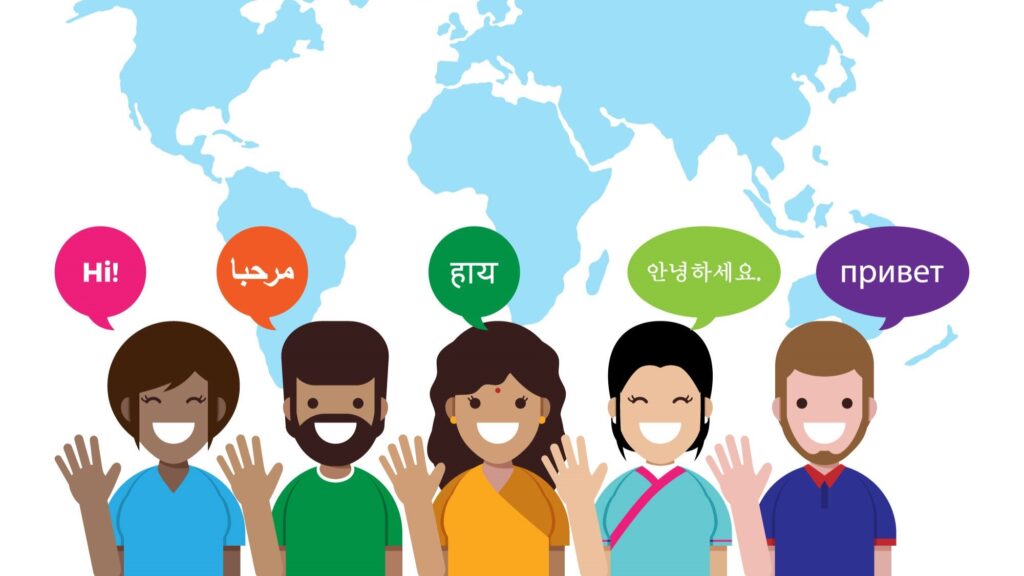

In a global-first digital economy, video and audio content are no longer optional—they are central to how businesses communicate, sell, train, and scale. As brands expand across borders, language becomes one of the biggest growth barriers. This is where dubbing plays a critical role.
The importance of dubbing for business growth lies in its ability to remove language friction and deliver messages in a way that feels local, natural, and trustworthy. When audiences hear your brand speak in their own language, engagement improves, trust builds faster, and conversion rates increase. In 2026, dubbing is not just a localization step—it is a strategic growth investment.
As short-form videos, eLearning modules, games, OTT content, and global marketing campaigns continue to dominate digital communication, businesses increasingly rely on professional partners like VerboLabs to scale multilingual content safely, consistently, and at enterprise quality.
Why Dubbing Is Really Important for Businesses
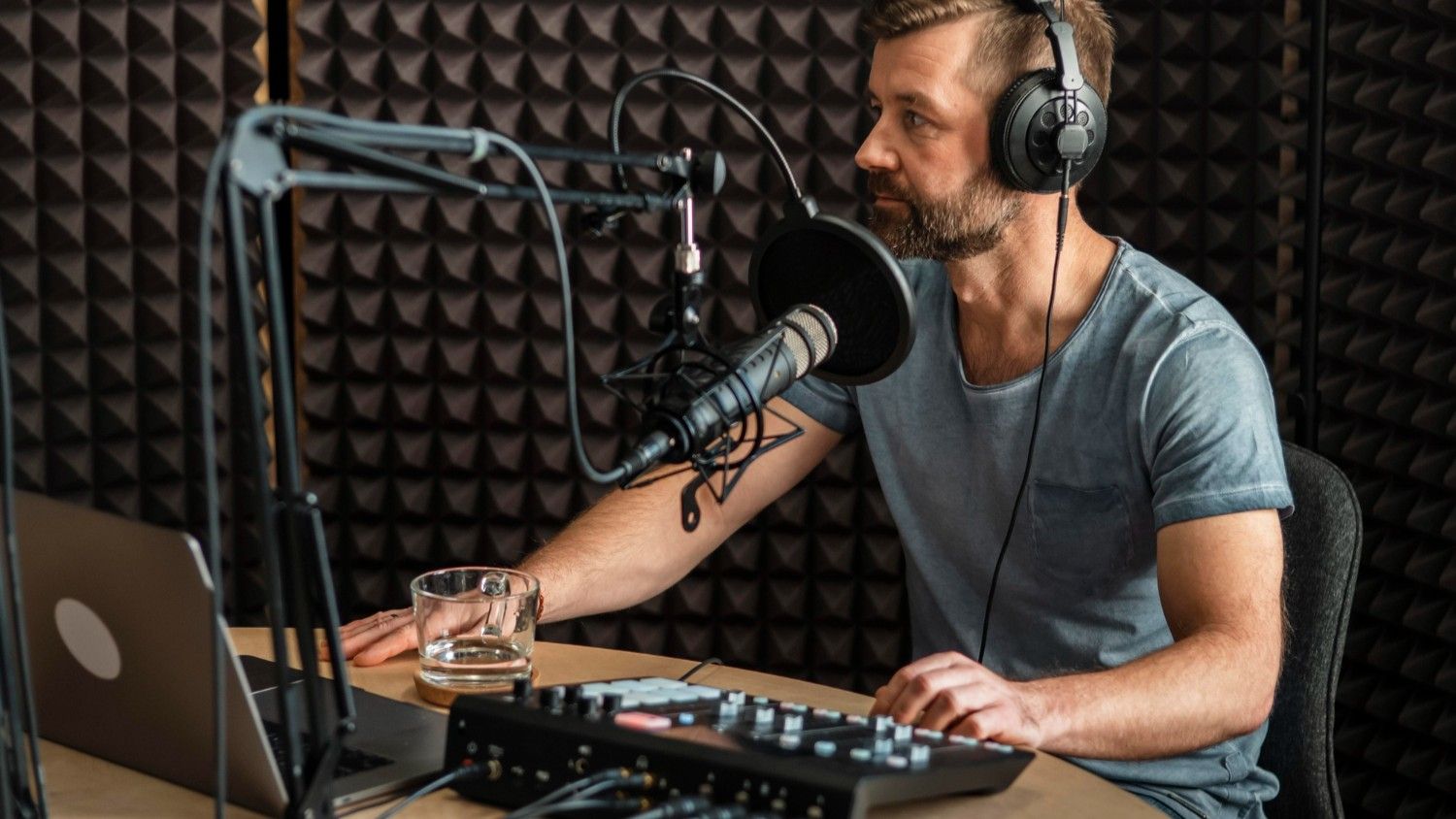
The importance of dubbing for business growth becomes most visible when companies move beyond a single market. Customers, employees, and partners respond better when communication feels effortless and familiar.
Dubbing allows businesses to:
- Scale internationally without recreating content
- Maintain consistent brand voice across regions
- Preserve emotional impact and clarity in every language
1. Enhances Global Reach Without Recreating Content
Dubbing enables businesses to reuse high-performing videos across markets instead of producing new content for every region.
Example: A US-based SaaS company dubs its product demo videos into Spanish, German, and Japanese. International trial sign-ups increase because prospects understand features clearly without language barriers.
Business benefits:
- Removes language barriers
- Improves watch time and retention
- Expands reach across global markets
2. Builds Stronger Customer Trust and Brand Recall
Hearing a brand speak in a familiar language creates instant credibility. Unlike subtitles, dubbing allows audiences to focus fully on visuals while emotionally connecting with the message.
Example: An eCommerce brand launches dubbed explainer videos for Latin American markets. Customers respond better because the tone, pacing, and expressions feel native—not translated.
Why this matters:
- Native-language audio feels personal
- Builds emotional connection
- Improves brand recall and loyalty
3. Improves Training Effectiveness and Workforce Productivity
For global teams, dubbing ensures training content is clear, consistent, and easy to understand.
Example: A multinational company dubs compliance and safety training videos into multiple languages. Employees comprehend instructions better, reducing onboarding time and operational errors.
Business impact:
- Higher comprehension
- Fewer misunderstandings
- Faster global onboarding
4. Boosts Marketing and Sales Performance
Localized audio dramatically improves the performance of marketing and sales videos.
Example: A D2C brand runs dubbed Instagram and YouTube ads in regional languages. Click-through rates increase because users hear product benefits explained clearly in their own language.
Results:
- Better engagement
- Higher conversions
- Stronger ROI on ad spend
Industries That Benefit Most from Dubbing
1. E-Learning and Corporate Training
Dubbing helps learners understand complex topics without mentally translating content.
Use case: Online courses, internal training videos, compliance modules.
2. Media and Entertainment
Dubbing enables films, series, and documentaries to reach global audiences.
Use case: OTT platforms localizing international movies and shows.
3. Corporate Communication
From CEO messages to product demos, dubbing ensures clarity across regions.
4. Healthcare and Pharma
Accurate dubbing of medical videos helps patients and professionals understand critical information clearly and safely.
Types of Dubbing Used Across Content
1. Dubbing Film and Dubbing in Movies
Used to localize films and series for global theatrical and OTT releases.
2. Dubbing Game Content
Adapts character voices, dialogues, and in-game instructions for different regions while preserving immersion.
3. Dubbing in Music
Voice tracks are adapted while maintaining rhythm, timing, and emotional intent.
The Professional Dubbing Process (Step by Step)

A professional dubbing workflow ensures linguistic accuracy, cultural alignment, and studio-grade audio quality.
- Script translation and cultural adaptation
- Casting native voice artists
- Voice recording in professional studios
- Audio editing and lip-sync alignment
- Quality assurance and final delivery
Businesses searching for reliable dubbing studios often prefer global providers offering centralized quality with regional expertise—this is where professional dubbing services make a measurable difference.
Human Dubbing vs AI Dubbing: What Businesses Should Know
Human Dubbing
- Native professional voice artists
- Natural emotion and brand tone
- Best for marketing, films, and customer-facing content
AI Dubbing Services
- Faster turnaround
- Cost-effective for large volumes
- Suitable for internal or informational content
Important: AI dubbing must be used ethically, with consent, brand control, and human review. For external audiences, the human dubbing vs AI dubbing decision often comes down to quality versus speed.
Dubbing Pros and Cons
Pros
- Higher engagement than subtitles
- Better comprehension
- Stronger emotional impact
Cons
- Higher cost than subtitling
- Requires professional coordination
- Poor execution can damage brand credibility
A structured dubbing translation and production workflow helps avoid these risks.
Common Dubbing Mistakes to Avoid

- Using untrained voice artists
- Ignoring cultural tone and context
- Poor audio quality
- Inaccurate lip-sync
- Skipping quality checks
Professional dubbing providers help businesses avoid these issues at scale.
How to Choose the Right Dubbing Partner
When evaluating dubbing services, businesses should consider:
- Native language coverage
- Industry-specific experience
- Access to professional dubbing studios
- Scalability and turnaround time
- Expertise in both AI and human dubbing
Providers like VerboLabs offer end-to-end dubbing solutions across industries, combining native voice talent, studio-grade production, and quality assurance.
Conclusion: Dubbing Is a Long-Term Growth Investment
Dubbing plays a critical role in how businesses communicate, train, and market across borders. Whether you are localizing films, games, training videos, or marketing campaigns, professional dubbing ensures your message is heard, understood, and trusted.
As competition increases in international markets, the importance of dubbing for business growth cannot be ignored. From improving customer trust to boosting training effectiveness and marketing performance, dubbing helps brands scale globally with confidence.
With the right strategy and a reliable partner like VerboLabs, businesses can expand internationally without losing clarity or brand consistency.
Ready to Scale with Professional Dubbing Services?
If your videos need to perform across regions, explore VerboLabs’ dubbing services to deliver clear, culturally aligned, and high-quality multilingual content—securely and at scale.
Partner with VerboLabs for reliable, scalable, and professional dubbing solutions that support long-term global growth.

Scale your videos globally with professional dubbing. Explore VerboLabs’ expert dubbing services today.
Frequently Asked Questions (FAQs)
Dubbing replaces the original spoken audio of a video with a new voice track in another language, usually synced to the speaker’s lip movements and timing. Voice-over, on the other hand, is often layered over the original audio and does not always require lip-sync. Dubbing is commonly used for films, ads, training videos, and games where natural delivery matters.
For many business use cases, yes. Dubbing improves engagement, watch time, and comprehension because viewers do not need to read text while watching visuals. Subtitles are cost-effective, but dubbing creates a more immersive and trustworthy experience, especially for marketing, training, and customer-facing content.
Dubbing costs depend on several factors, including language pair, video length, number of voice artists, lip-sync complexity, and whether human or AI dubbing is used. Marketing videos and films typically cost more than internal training videos due to quality and performance requirements.
AI dubbing works well for internal communication, informational videos, and large content volumes where speed matters. Human dubbing is better for branding, ads, films, and customer-facing content because it delivers natural emotion, tone, and cultural accuracy. Many businesses use a hybrid approach depending on content type.
Industries that rely heavily on video communication benefit the most, including:
* SaaS and technology
* E-learning and corporate training
* Media and entertainment
* Gaming
* Healthcare and pharma
* D2C and eCommerce
Any business targeting global or multilingual audiences can benefit from dubbing.
Yes. Dubbed marketing videos often show higher engagement, click-through rates, and conversions because audiences understand the message clearly in their native language. Hearing product benefits explained naturally builds trust and reduces drop-offs.
For global teams, dubbing significantly improves training effectiveness. Employees understand instructions faster, make fewer mistakes, and complete onboarding more efficiently when training videos are in their native language.