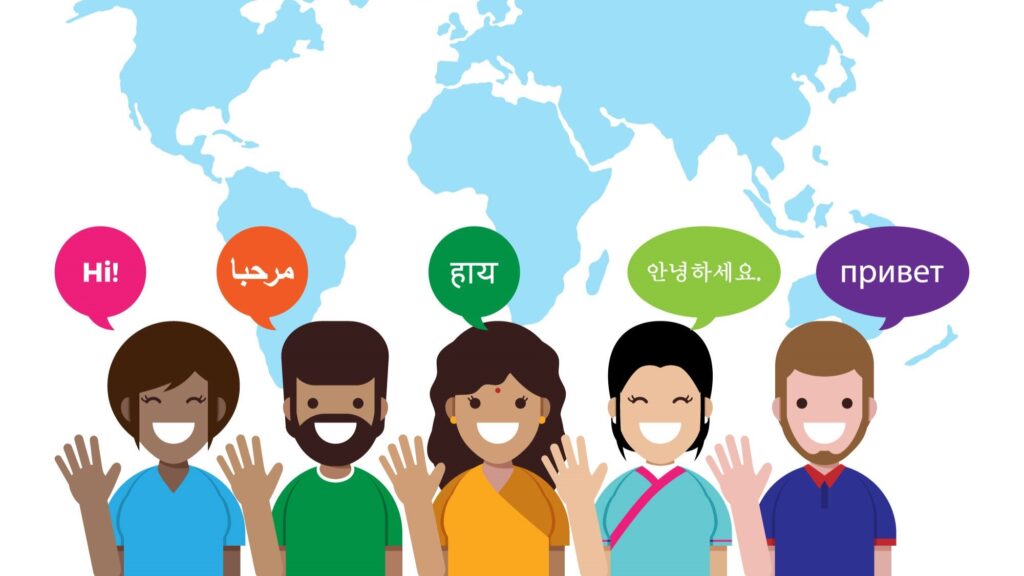
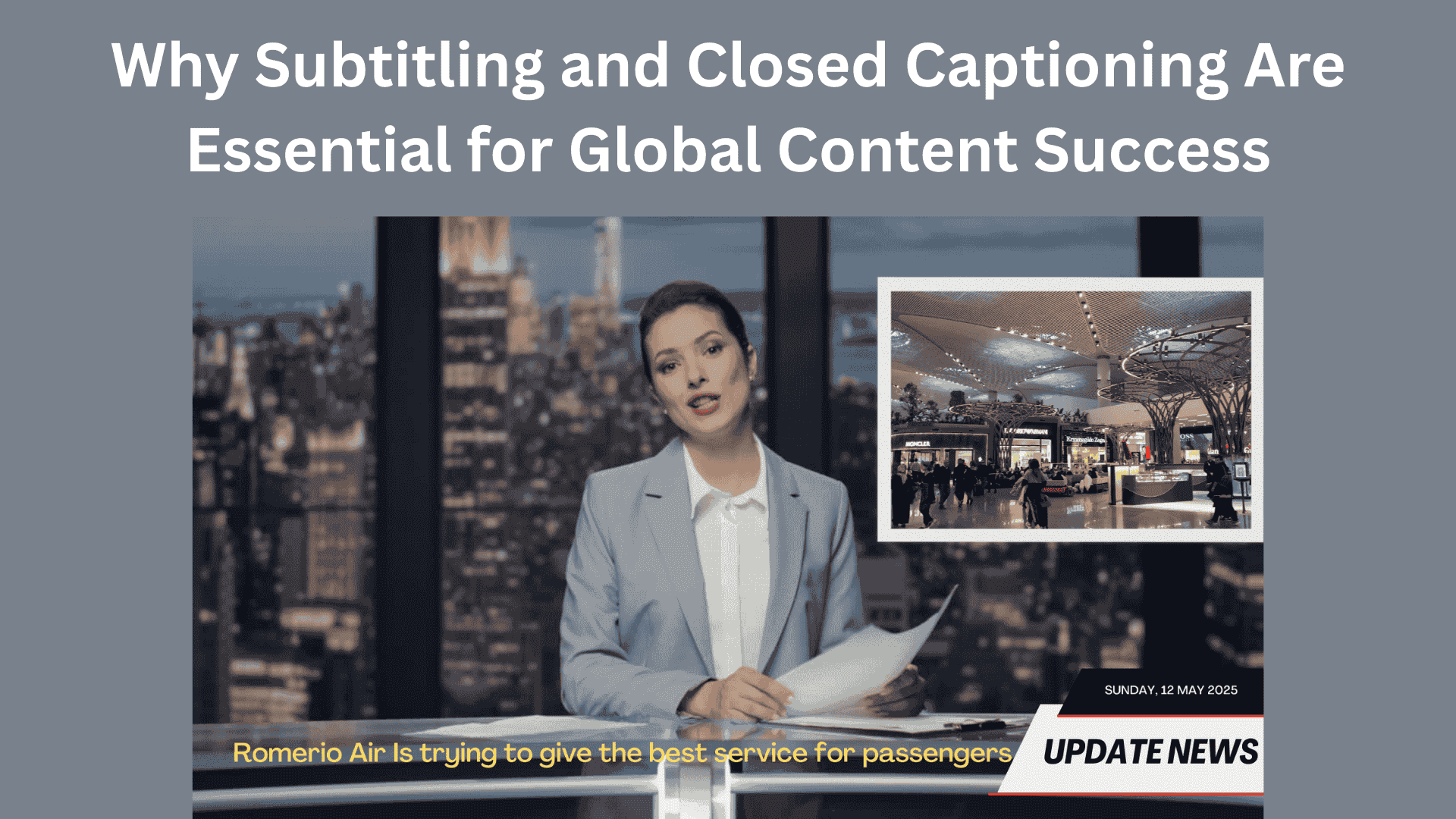
In 2026, video dominates digital discovery—but without professional subtitling service and closed captioning, even high-quality content can lose reach, accessibility, and search visibility. In the United States, where a large share of mobile viewers watch on mute and accessibility standards are tightening, captions and subtitles are no longer optional—they’re strategic infrastructure.
This guide explains the difference between subtitling and closed captioning, when to use each, and how to implement them effectively for US and global audiences.
Subtitling vs. Closed Captioning: What’s the Difference?
Subtitling: Subtitling services display spoken dialogue in text, often translated into another language. They are ideal for localization—helping viewers understand content in a language they don’t speak fluently.
Key use cases:
- International OTT streaming
- Marketing videos targeting foreign markets
- E-learning for multilingual audiences
Closed Captioning (CC): Closed captions not only include dialogue but also non-speech elements such as sound effects, background noises, and speaker identification. They are vital for making content accessible to deaf and hard-of-hearing audiences.
Key use cases:
- Accessibility compliance requirements in the United States (including ADA and FCC guidelines) and in the UK, EU, and APAC regions.
- Corporate training materials for diverse workforces.
- Educational platforms require inclusive learning experiences that meet US accessibility expectations and institutional compliance standards.
Why These Services Matter in 2026
- Global Accessibility Compliance – In the United States, regulations under the ADA and FCC increasingly require closed captioning for broadcast, streaming, and certain educational content, while many other countries maintain similar mandates.
- Boosting Engagement – Videos with subtitles often see significantly higher completion rates on social platforms, especially in mobile-first environments where many US viewers watch with the sound off.
- SEO Advantages – Adding subtitles in multiple languages improves video discoverability across YouTube, Google Video results, AI Overviews, and in-platform search on major social and streaming platforms.
- Cross-Cultural Communication – Subtitles allow your brand to connect emotionally with diverse audiences without losing context.
Choosing the Right Service for Your Market
When planning for subtitling or closed captioning, consider:
- Target Geography (geo-optimization) – e.g., Closed captions are legally required for streaming in the US; subtitles are dominant in Europe and Asia.
- Platform Requirements – Major platforms such as Netflix, Prime Video, YouTube, TikTok, and corporate LMS platforms each enforce specific caption formats (like SRT and WebVTT), timing rules, and accessibility standards that content owners must follow in 2026.
- Audience Preferences – Younger audiences may prefer localized subtitles, while educational sectors require detailed captions.
The VerboLabs Advantage in Subtitling and Captioning
At VerboLabs, we help brands go beyond basic translation by delivering culturally relevant, technically accurate subtitling and closed captioning services for global impact.
Our Services Include:
- Multilingual subtitling in 120+ languages
- Closed Captioning for accessibility compliance in multiple regions
- SDH (Subtitles for the Deaf and Hard-of-Hearing) for inclusive content delivery
- Time-coded accuracy ensuring perfect sync with audio/video
- Platform-specific formatting for Netflix, Prime Video, YouTube, TikTok, and corporate LMS platforms
Why Brands Choose Us:
- Native linguists ensure cultural accuracy in translations
- Expert transcriptionists capture context, not just words
- Proven track record with media, e-learning, OTT, and gaming industries
- Scalable solutions for bulk projects and fast turnarounds
Conclusion
In today’s AI-driven, video-first ecosystem, investing in professional subtitling services and closed captioning is essential for reach, accessibility, and discoverability. For US audiences in particular, captions support ADA alignment, improve engagement in sound-off environments, and help videos surface in search, AI Overviews, and platform recommendations.
Looking ahead to 2026 and beyond, organizations that treat subtitles and captions as core content infrastructure—not afterthoughts—will be better positioned to scale globally, meet evolving compliance standards, and deliver truly inclusive viewing experiences.

Bring your content closer to a global audience with VerboLabs’ professional subtitling services. Accuracy, cultural relevance, and impact—guaranteed.
FAQs
Both matter, but closed captions are especially important in the United States due to accessibility expectations under ADA and FCC guidance. Subtitles support multilingual reach, while captions ensure compliance and inclusivity. Most US brands benefit from using both strategically.
For YouTube, SRT and WebVTT remain the most widely supported caption formats in 2026. SRT is the simplest and most commonly used, while WebVTT offers more styling flexibility. Choosing the correct format ensures proper indexing, accessibility, and playback across devices.
AI captions are improving, but still struggle with accents, technical terminology, speaker identification, and context. In 2026, most US enterprises use AI for first-pass drafts and rely on professional subtitling service providers for human review to achieve the 99%+ accuracy required for compliance and brand trust.
Not always legally required, but strongly recommended. While ADA and FCC rules primarily apply to broadcast and certain streaming content, captions on social media significantly improve accessibility, engagement, and watch time—making them a best practice for US marketers.
Subtitles create crawlable text that search engines and AI systems can index. In 2026, this improves eligibility for AI Overviews, voice search answers, and video carousels. Well-timed, accurate subtitles strengthen semantic relevance and content discoverability.
Professional standards in the United States typically require at least 99% accuracy. High accuracy supports ADA alignment, improves viewer trust, and prevents misunderstandings. Poor-quality captions can harm both accessibility compliance and brand credibility.
Use SDH when full accessibility is required—such as for US education, OTT platforms, government content, or corporate training. SDH includes speaker labels and sound cues, ensuring viewers who cannot hear the audio still receive the complete viewing experience.
VerboLabs is a leading provider of professional dubbing, voice-over, transcription, translation, and localization services in 120+ languages. We specialize in delivering culturally accurate content for videos, games, websites, and training modules. With a global network of native linguists and multimedia experts, we help brands connect with audiences worldwide. Whether you need subtitles for a film or full-service explainer video production, VerboLabs ensures quality, speed, and scalability.