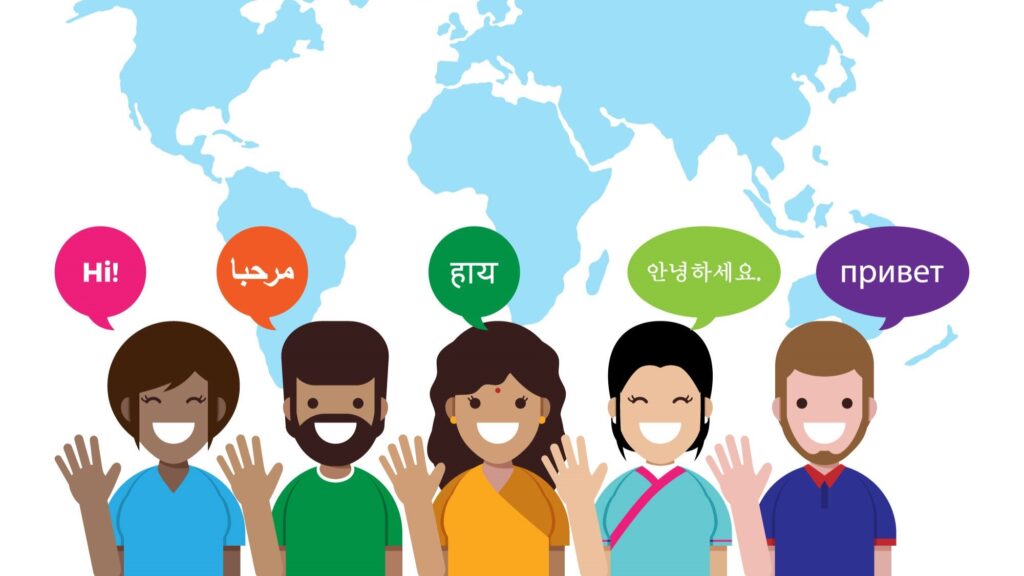
The landscape of healthcare has evolved rapidly in recent years, with telemedicine and remote healthcare services emerging as essential. Patients now expect access to medical expertise without geographical limitations, and video-based consultations have become a central part of this shift in healthcare.
However, language remains a significant barrier in delivering quality care across diverse populations. Telemedicine video translation addresses this challenge, ensuring patients receive accurate, understandable, and culturally relevant medical guidance.
In this blog, we explore the role of video translation in telemedicine, its benefits, processes, costs, and how specialized providers like VerboLabs enable effective multilingual healthcare communication.
What Are Translation Services?
Translation services refer to the professional process of converting content from one language to another while maintaining accuracy, tone, and context. In healthcare, translation services go beyond mere language conversion—they ensure medical terminology, patient instructions, and legal compliance are accurately conveyed.
It is crucial to distinguish translation from related services:
- Translation: Converts written or video content into another language.
- Interpretation: Facilitates real-time spoken communication, such as during live telemedicine consultations.
- Localization: Adapts content to suit cultural, social, and regional nuances, ensuring relevance for the target audience.
Examples of translation services include document translation, website content, advertisements, healthcare patient records, legal documents, and immigration forms.
What is a Translation Service Provider?
A translation service provider (TSP) is a professional agency or company specializing in delivering accurate, industry-specific translations. In healthcare, TSPs play a crucial role by providing services such as telemedicine, video translation, multilingual patient education materials, and the translation of regulatory documents.
TSPs cater to multiple industries, including healthcare, legal, education, marketing, and global business. A reputable provider ensures not only linguistic accuracy but also adherence to compliance standards, medical terminology, and cultural sensitivity.
What are Medical Translation Services?
Medical translation services are a specialized branch of translation focusing on healthcare-related content. Accuracy is vital because even minor errors can impact patient safety.
Key types include:
- Translation of patient records, prescriptions, and medical reports for patients with multilingual backgrounds.
- Telemedicine video translation services for remote consultations, patient instructions, and awareness videos.
- Legal medical documents such as informed consent forms, insurance claims, and regulatory submissions.
Medical translation services require certified translators with specialized expertise in healthcare to ensure clarity, accuracy, and compliance with local and international regulations.
What are Marketing Translation Services in Healthcare?
Healthcare providers and telehealth startups often utilise marketing translation services to effectively communicate campaigns, services, and awareness messages to multilingual audiences.
Examples include:
- Translating ad videos and hospital promotional content.
- Healthcare awareness campaigns, such as vaccination drives or preventive care initiatives.
- Localisation of hospital websites and telehealth platforms for global patient engagement.
Accurate marketing translation ensures that patients not only understand but also trust healthcare messages.
Importance of Translation Services in Telemedicine
Telemedicine connects patients and healthcare professionals across borders.
Translation services in telemedicine are crucial to:
- Break language barriers to ensure all patients understand medical advice.
- Maintain cultural relevance for diverse populations.
- Ensure patient safety by preventing miscommunication in prescriptions, instructions, and medical procedures.
- Enhance patient satisfaction and treatment adherence.
Without professional translation, telemedicine risks miscommunication, reduced trust, and potential legal complications.
Role of Video Translation in Telemedicine and Remote Healthcare
Telemedicine video translation involves converting video-based consultations, educational content, and medical guidance into multiple languages for global accessibility.
Benefits of Telemedicine Video Translation:
- Real-time understanding: Patients can follow instructions accurately during video consultations, ensuring a seamless experience.
- Accessibility: Non-English speaking patients gain equal access to healthcare services.
- Trust and patient satisfaction: Multilingual communication fosters confidence and treatment adherence.
- Global reach: Hospitals, telehealth startups, and NGOs can expand their impact across regions and countries.
Example: A patient in India consulting a US-based specialist via video can receive real-time translation, ensuring clarity and reducing potential errors.
How Do Translation Services Work in Telemedicine?
The workflow of telemedicine video translation services includes:
- Video recording or live feed of the consultation or educational session.
- Transcription of spoken content.
- Translation into the target language by certified medical linguists.
- Cultural adaptation to ensure terminology, examples, and instructions resonate with the target audience.
- Integration into the video through subtitles, dubbing, or voiceover.
- Live interpreting for real-time video consultations, combining AI-assisted tools with human expertise for accuracy.
This hybrid approach ensures clarity, compliance, and engagement for multilingual audiences.
Costs of Translation Services in Healthcare
Translation services cost depends on several factors:
- Language pair: Common languages, such as English and Spanish, are more affordable than rare languages.
- Specialization: Medical and legal translations require higher expertise.
- Urgency: Rush jobs incur premium charges.
- Volume and format: Video translations can cost more per minute than text-based documents.
Typical pricing models:
- Rates per word: USD 0.08–0.12 for general content, USD 0.15–0.25 for medical/technical content.
- Per page/document: USD 25–40 for standard pages; certified translations cost more.
- Video translation: Per minute of video, considering transcription, translation, and subtitling/dubbing work.
Who Needs Translation Services in Healthcare?
A wide range of stakeholders benefit from telemedicine video translation:
- Hospitals and clinics for patient consultations and educational materials.
- Telemedicine platforms delivering virtual care across multilingual regions.
- Pharmaceutical companies provide multilingual drug information and patient guidance.
- Insurance providers for claims, informed consent, and policy explanations.
- Patients needing translated medical documents, vaccination records, or immigration forms.
Why Translation Services Are Needed in Business & Healthcare?
Healthcare and business both benefit from professional translation services:
- Global patient outreach: Multilingual telemedicine expands access to new markets.
- Regulatory compliance: Accurate translation ensures adherence to healthcare laws and standards.
- Improved outcomes: Patients who understand their treatment plans are more likely to adhere to them and achieve better outcomes.
Case Example: VerboLabs and Its Translation Services
VerboLabs is a trusted translation service provider specializing in healthcare and telemedicine.
Specialized services include:
- Medical & healthcare translation: Telemedicine video translation, patient records, clinical documentation.
- Marketing translation: Awareness campaigns, hospital ads, educational videos.
- Legal & immigration documents: USCIS forms, birth certificates, healthcare compliance documents.
Why VerboLabs stands out:
- AI-assisted workflows combined with certified human translators.
- Fast turnaround with high accuracy.
- Expertise across multiple industries, ensuring contextual and regulatory compliance.
Future of Telemedicine Video Translation
The future of telemedicine translation is evolving rapidly:
- AI-human hybrid solutions will make translation faster and more cost-effective.
- Integration with remote healthcare monitoring, wearables, and multilingual apps.
- Real-time voice translation during consultations for global accessibility.
- Expansion of telemedical education, empowering patients with translated guidance worldwide.
Conclusion
Telemedicine video translation is no longer optional—it is essential for delivering accessible, accurate, and patient-centric healthcare in a global environment. By eliminating language barriers, improving communication clarity, and ensuring regulatory compliance, video translation directly enhances patient safety, trust, and treatment outcomes.
As telemedicine continues to expand, healthcare providers must adopt scalable, high-quality multilingual solutions. Leveraging professional medical translation services ensures that medical content is not only linguistically accurate but also culturally relevant and easy to understand across regions.
With AI-assisted workflows and expert human linguists, providers like VerboLabs enable healthcare organizations to deliver consistent, compliant, and impactful communication at scale. Investing in reliable video translation is a strategic step toward delivering inclusive, global healthcare.

Expand your telemedicine reach globally with reliable video translation from VerboLabs.
Frequently Asked Questions (FAQs)
Translation is essential in telemedicine because patients and healthcare providers often speak different languages. Accurate translation ensures patients clearly understand diagnoses, prescriptions, and treatment instructions. Without proper translation, misunderstandings can lead to incorrect medication use, poor treatment adherence, and reduced patient safety.
Telemedicine video translation is the process of converting healthcare video content—such as consultations, patient education videos, and medical guidance—into different languages. This can include subtitles, voiceovers, dubbing, or real-time interpretation to help patients understand medical information regardless of their native language.
Video translation improves remote healthcare by making medical information accessible to multilingual patients. It helps patients understand treatment instructions, follow medication guidelines, and communicate effectively with healthcare professionals. This leads to better patient satisfaction, improved health outcomes, and wider access to global healthcare expertise.
Medical translation refers to converting written or recorded medical content into another language, such as patient records, prescriptions, or healthcare videos. Medical interpretation, on the other hand, involves real-time spoken language assistance during live consultations or telemedicine sessions. Both are important for effective multilingual healthcare communication.
The cost of healthcare video translation depends on several factors, including the language pair, video length, medical complexity, and the required services, such as transcription, subtitling, or dubbing. Typically, video translation services are priced per minute of video and may cost more than text translation because they involve multiple steps, such as transcription, translation, and audio or subtitle integration.
Video translation services are useful for hospitals, telemedicine platforms, pharmaceutical companies, healthcare startups, and public health organizations. These stakeholders use video translation to communicate with multilingual patients, deliver educational healthcare content, and provide remote medical consultations across different regions.
AI tools can assist in translating telemedicine videos by generating transcripts and basic translations quickly. However, medical communication requires high accuracy and contextual understanding. Because of this, many healthcare providers use a human-AI hybrid approach, in which AI accelerates the process while professional medical translators review and ensure accuracy, clarity, and regulatory compliance.