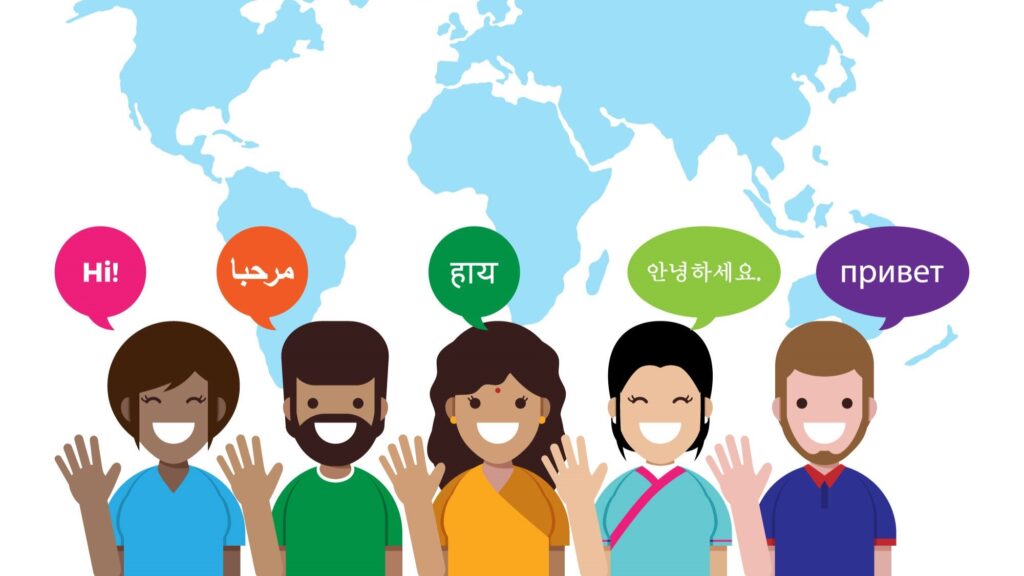

Going global sounds exciting. And it should.
A business that was once serving customers in just one city can now reach people around the world. This kind of opportunity was impossible for many companies twenty years ago.
That said, going global is not just about expanding reach. Attracting clicks is still relatively easy. But the difficult part is turning those clicks into conversions, especially when the audience comes from a different language, culture, or market.
Say you have a website and the language is a little awkward, the prices are in a foreign currency and the scenarios are not local or familiar. People may not know what is wrong with the experience but they may not engage with the website.
That is why localization is so important.
Localizing the content makes customers feel like it is meant for them. It’s not just words, it’s experiences that need to be translated. The process may change the content, design, payment methods, images, or even the way a message is delivered.
Businesses that understand the importance of this tend to grow faster. Those who ignore it might not go too far in the international market.
Why Localization Is Important for Global Business Growth
Here are a few reasons which justifies why localization is important for global growth.
Reason 1 – Localization Builds Trust
People trust what looks familiar. And that is one of the reasons why global brands invest heavily in localization.
Successful businesses do not just reuse the same marketing campaign everywhere. They adjust their messaging to connect with local preferences, culture, and customer expectations. These changes can look minor, but they can have a major impact on how people interact with a brand.
Reason 2 – Increases Conversions and Revenue
Every business wants more conversions. The interesting thing is that conversion problems are not always caused by pricing, product quality, or competition. Sometimes, customers just do not feel confident enough to complete a purchase.
For a shopper browsing an online store, the product looks great, the reviews are positive, and everything else looks good. But the checkout process becomes confusing. Shipping information is not clear. Payment options feel unfamiliar. Product descriptions leave a few unanswered questions. And the purchase does not happen.
Localization removes these points of friction. Customers spend less time decoding the experience and more time making decisions.
Reason 3 – Improves Global SEO
There’s an assumption that international SEO is simply a matter of translating keywords. Unfortunately, search engines do not work that way.
People in different countries often use completely different phrases when looking for the same thing. Cultural context plays a role. Local habits play a role. Sometimes, even neighboring countries use different terminology.
Spotify provides an interesting comparison.
Music choices are not the same everywhere because, well, different places have different tunes and different recommendations. The same is true for search behavior.
Content created for local audiences works better because it reflects how real people actually search, not how a dictionary translates a phrase.
Reason 4 – Ensures Legal & Regulatory
Compliance Localization is not always about improving marketing performance. Sometimes it is all about staying out of trouble.
Privacy, consumer rights, advertising claims, product information and digital services requirements vary from country to country. What’s perfectly acceptable in one market might create legal complications somewhere else.
A translated privacy policy is not necessarily a compliant privacy policy.
Businesses expanding internationally often discover that legal adaptation requires as much attention as linguistic adaptation. Ignoring that reality can become expensive very quickly.
Reason 5 – Reduces Brand Risk
A joke that works in one country may fall completely flat in another.
A slogan that sounds clever in one language can become confusing after translation. Occasionally, it becomes something worse.
Most businesses do not intend to offend anyone. Problems usually come about because cultural differences are not taken into account during the planning stage.
McDonald’s has built a global presence partly because it understands this reality. Menus are very different by region. The company adapts, rather than assumes everyone wants the exact same experience.
That flexibility protects the brand while helping it remain relevant in diverse markets.
Reason 6 – Competitive Advantage in New Markets
Many companies still approach international expansion with a simple strategy: translate the website and hope for the best.
Meanwhile, competitors are taking a different approach.
They are localizing messaging, customer support, content, payment systems & user experience.
It’s not difficult to guess which approach usually performs better.
Airbnb’s success wasn’t driven solely by technology. The company invested heavily in making its platform feel comfortable for people from different countries and cultures. That effort helped transform a startup into a global brand.
Localization often becomes a competitive advantage because it demonstrates commitment to a market rather than mere presence within it.
Reason 7 – Better Customer Experience
Customer experience does not begin and end with a sale.
Every interaction matters.
The first website visit matters. The onboarding process matters. Support conversations matter. Even confirmation emails matter.
Localization improves these moments in ways customers may not consciously notice but definitely appreciate.
A familiar payment method. A culturally relevant example. Instructions that feel natural rather than translated.
All of these details are small. Altogether, they build the entire customer experience.
What Happens When Businesses Don’t Localize?
Sometimes the warning signs appear quickly.
- Traffic grows, but not sales.
- The number of clicks increases, not the conversion rate.
- Customers visit the website and leave within seconds.
The business assumes the product needs improvement when the real issue may be much simpler: the experience does not feel relevant.
There are infinite options online for people. If something looks confusing, unfamiliar, or hard to trust, they’ll just go somewhere else.
That’s the hidden cost of ignoring localization.
How to Get Started with Localization
Localization does not require a complete business overhaul overnight. The smartest approach is usually gradual.
- Determine priority markets: Begin with existing traffic, leads and customer data. Often the best opportunities are already visible.
- Localize Customer-Facing Content: Focus on the content your customers see first: websites, product pages, mobile apps, and support resources.
- Do More than Translation: Localization is so much more powerful when it’s not simply a matter of translation but also includes currencies and payment methods, imagery, measurements and cultural expectations.
- Partner with Professional Localization Experts: Technology can accelerate translation but cultural understanding is a human pursuit.
- Measure and Optimize: See how customers interact with your content, whether they’re converting and what feedback they’re sharing. The best localization strategies evolve based on real-world results.
Conclusion
The internet has made international expansion easier than ever. But it’s still hard to connect with international customers in a meaningful way.
That’s where localization earns its value.
Netflix customizing what it recommends, Amazon customizing what you buy, Spotify customizing how it helps you discover new music, Airbnb customizing its platform, McDonald’s customizing its menu – successful global brands have learned the same lesson.
People respond positively when businesses make the effort to understand them.
That’s how localization happens.
And in a world of endless choices for customers, feeling understood can be a powerful competitive advantage.
FAQs
How does localization help companies enter new markets?
Localization makes products, content and customer experiences more relevant to local audiences, helping businesses build trust faster.
Is localization only translation?
No. Translation is only part of localization. The process also includes content adaptation, imagery, currency, measurement, user experience and cultural adaptation.
How does localization build customer trust?
People are more likely to trust brands that communicate naturally and reflect local expectations.
Can localization reduce business risk?
Yes. It can help you avoid cultural faux pas, compliance issues and message mistakes that could damage your brand’s reputation.
What should a company localize first?
Most businesses start with websites, product pages, applications, marketing materials and customer support content.
How does localization improve SEO?
Localization means content is tailored to local search behavior, so businesses show up in the right search results.
What are examples of localization?
Examples include localizing website content, payment methods, currencies, images, date formats, and marketing campaigns.
What is the ROI of Localization?
For the most part, companies enjoy benefits in the form of improved conversion and retention rates, customer satisfaction, and international revenue.