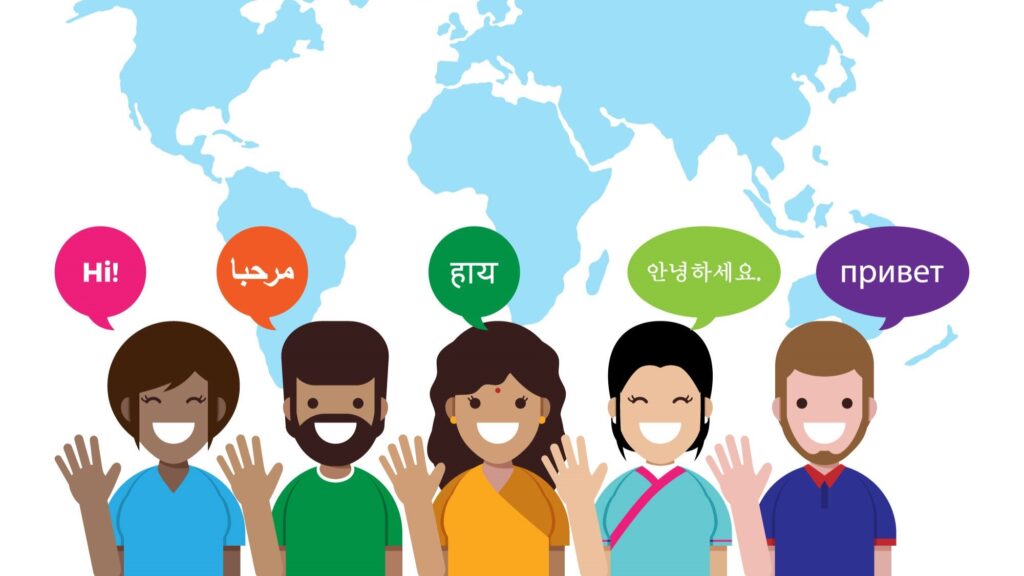

Today, businesses in India are not limited to local customers. Even small and medium-sized companies are selling products and services across countries. Because of this, writing for translation has become very important. If your original content is not clear, translators may misunderstand it.
This can lead to mistakes, delays, and extra costs. Good content helps avoid confusion and improves communication. It also supports the global success of translated books, websites, and marketing materials. Clear writing builds trust across languages and cultures.
This blog explains how to make your content multilingual-ready, avoid translation errors, and reach global audiences effectively.
What Is Writing for Translation?
Writing for translation means creating content that is easy to translate into other languages without losing meaning. It focuses on clarity, simplicity, and structure.
When you follow proper multilingual content best practices, your content becomes:
- Easier to translate
- Faster to localize
- More accurate
- Cost-effective
This approach plays a big role in the global success of translated books and international business communication. If the source content is simple, translators can work better and deliver high-quality output.
Also Read,
- Why Businesses in 2026 Can’t Afford to Ignore Digital Content Creation
- Case Study: Global Growth Through Multilingual SEO & Website Localization
- 10 Common Mistakes to Avoid When Using Translation Services
Key Principles of Translation – Friendly Content Creation
Before translation begins, you must properly prepare your content. Below are the most important principles of translation-friendly content creation.
1. Use Simple and Clear Sentences
Short sentences are easier to translate. This supports clear writing for translators and reduces confusion.
For example, instead of writing long paragraphs, break them into smaller lines. This method helps in simplifying content for localization.
2. Avoid Idioms and Slang
Idioms like “break the ice” or “hit the nail on the head” may not make sense in other languages. Such phrases can create problems and make avoiding translation errors difficult. Simple and direct language supports the global success of translated books and digital content.
3. Maintain Consistent Terminology
Use the same word for the same concept throughout the content. Inconsistent wording creates confusion and slows down translation. Consistency improves clear writing for translators and strengthens your brand voice globally.
4. Remove Ambiguity
Ambiguous sentences can have more than one meaning. This creates mistakes in translation. Clear meaning ensures better writing for global audiences.
Following these steps makes your content truly ready for international markets.
Common Challenges Without Writing for Translation
If you ignore writing for translation, you may face several problems. Let us understand them clearly. Before reviewing the challenges, remember that poor content structure affects translation quality and increases costs.
| Challenge | Impact on Business |
| Misinterpretation | Wrong meaning in the target language |
| Delays | Longer translation timelines |
| Higher Costs | More revisions required |
| Cultural Errors | Negative impact on brand image |
These problems reduce efficiency and harm reputation. They also block the global success of translated books and business documents. Proper multilingual content best practices help avoid these risks.
Practical tips For Translation – Ready Content
Planning from the beginning makes a big difference. Below are practical tips for translation-ready content that every business should follow. Before starting, understand that preparation saves time and money in the long run.
- Plan for Target Languages Early: When you think about writing for global audiences, plan your languages in advance. This helps in better formatting and structure.
- Use Consistent Formatting: Headings, bullet points, and spacing should remain clear. This supports translation-friendly content creation.
- Create Glossaries and Style Guides: Glossaries help maintain consistency. They improve clear writing for translators and reduce confusion.
- Segment Content: Divide content into smaller sections. This helps in simplifying content for localization.
- Review Before Translation: Check grammar and clarity. This step helps in avoiding translation errors.
Following these tips for translation-ready content improves accuracy and supports the global success of translated books, websites, and training materials.
How VerboLabs Supports Writing for Translation?
Professional support ensures quality. Companies like VerboLabs help businesses create multilingual-ready content.
They offer:
- Content review for clarity and structure
- Guidelines for translation-friendly content creation
- Collaboration with professional translators
- Localization, subtitling, and voiceover services
Their process ensures clear writing for translators and better communication. With expert guidance, businesses can reach new markets confidently and support the global success of translated books and digital materials.
VerboLabs provides content that works. Learn more at VerboLabs or explore their localization servicesto request a free consultation.
Benefits of Writing for Global Audiences

In today’s connected world, businesses cannot focus solely on one country. When you plan your content for international readers, you reduce risks and improve results. Proper preparation in writing for global audiences helps your message stay clear in every language. Before looking at the key benefits, remember that smart planning today prevents costly mistakes tomorrow. It also supports smooth translation and better communication.
- Faster Translations: A clear structure and simple sentences help translators work quickly. There is less confusion, so the process becomes faster and more efficient.
- Lower Costs: When content is well-written, fewer corrections and revisions are needed. This reduces editing time and overall translation expenses.
- Cultural Accuracy: Proper localization ensures that the message fits the local culture. This builds customer trust and protects your brand image.
- Better User Experience: Readers can easily understand the message in their own language. Clear communication increases engagement and satisfaction.
- Stronger Brand Consistency: When tone and terminology remain consistent, your brand sounds the same across all languages and markets.
All these benefits strongly support the global success of translated books, websites, e-learning materials, and marketing campaigns. When you follow multilingual content best practices, you create a strong foundation for long-term international growth and business success.
Why It Matters for Indian Businesses?
Today, many Indian companies sell their products and services in global markets. From IT firms and manufacturing companies to e-commerce brands and startups, businesses are working with clients across different countries. Even online creators, bloggers, and course creators want to reach international audiences. In this situation, writing for translation becomes an important business strategy, not just a writing skill.
Educational institutions, publishers, and authors also benefit from this approach. When the original content is clear and well-structured, translators can easily understand the meaning. This improves accuracy, reduces confusion, and saves time. Good source content always leads to better translation results.
Clear and simple writing also supports the global success of translated books, learning materials, websites, and marketing campaigns. When your message stays accurate in every language, your brand builds trust worldwide.
If you want to grow in international markets, begin by simplifying content for localization. Use short sentences, avoid complex phrases, and keep your message direct. This small improvement in writing can create a big impact on your global growth and long-term success.
Conclusion
In today’s global world, content travels across borders quickly. But without proper writing for translation, your message may lose meaning. Clear, structured content supports faster translation, reduces costs, and helps avoid cultural mistakes. It strengthens brand reputation and builds trust among international audiences.
Following multilingual content best practices ensures that your content remains accurate and effective in every language. The global success of translated books and global brands clearly shows the importance of translation-ready writing. If you want smooth, multilingual communication and greater global reach, start preparing your content properly from the beginning.
Optimize your content for translation and global reach with VerboLabs.

Partner with VerboLabs today and ensure your message stays clear, accurate, and impactful across every language. Contact us now for a free consultation.
Frequently Asked Questions (FAQs)
Writing for translation is creating content that is clear, simple, and structured to make translation accurate, efficient, and culturally appropriate.
It reduces errors, speeds up the translation process, lowers costs, and ensures content resonates with global audiences.
Yes, but technical, legal, or marketing content may require specialised guidance to maintain meaning and tone across languages.
Using idioms, slang, ambiguous phrasing, inconsistent terminology, or overly complex sentences can cause translation errors.
VerboLabs reviews and optimises your content for clarity, consistency, and cultural relevance before translation, ensuring high-quality multilingual output.
Machine translation can provide a draft but often misses nuances, cultural context, and tone. Human translation with proper content preparation is essential for quality.
Clear and standardised content ensures translators can accurately adapt text for local audiences, preserving brand voice and message intent.
Marketing copy, websites, e-learning materials, legal documents, user manuals, and multimedia content all benefit from translation-ready writing.