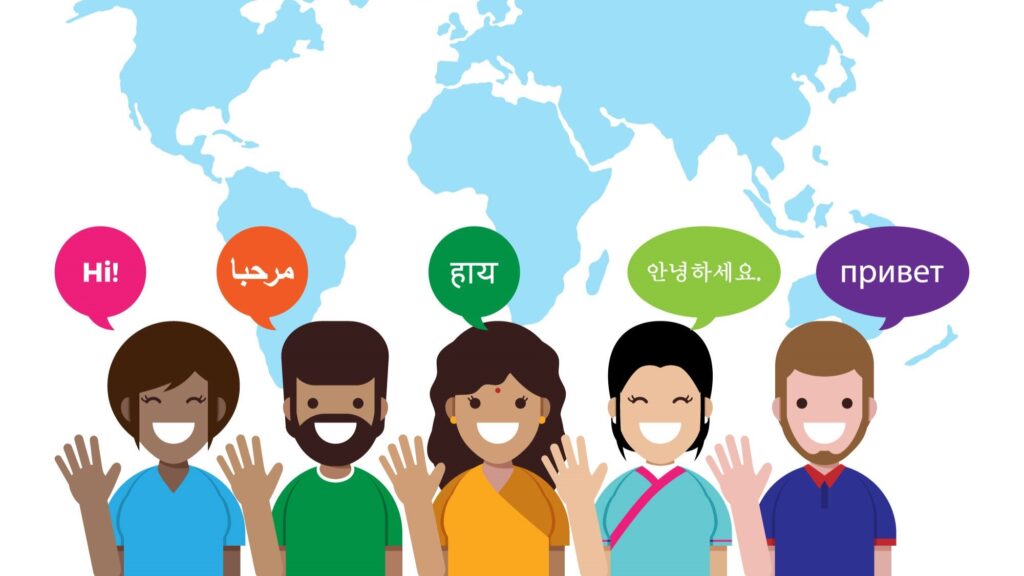
Quick Answer: Dubbing in podcasts and audiobooks replaces the original voice with a translated version in another language while preserving tone, rhythm, and emotion. It helps creators expand globally, enhances accessibility, and offers cost-effective scalability with AI-powered dubbing services.
Podcasts and audiobooks have rapidly become two of the fastest-growing forms of entertainment and education in the digital era. With millions of listeners worldwide, these formats have moved from niche to mainstream. However, as their popularity spreads across continents, creators face a crucial challenge: language barriers.
To truly connect with a global audience, audio content must feel personal, authentic, and easy to understand — regardless of the listener’s location. This is where professional dubbing services step in, transforming how stories, lessons, and conversations travel across languages and cultures, opening doors to untapped markets and making audio experiences universally accessible.
What Is Dubbing in Podcasts and Audiobooks?
If you’re looking for a clear dubbing meaning, dubbing definition, or simply what is dubbing, here’s the simplest explanation:
Dubbing is the process of replacing original speech with a new voice—usually in another language—while retaining tone, emotion, and narrative flow. This makes audio more relatable and accessible for global audiences.
Dubbing in podcasts and audiobooks is the process of replacing the original voice with a translated version in another language while retaining tone, emotion, and natural rhythm.
Unlike transcription services, which only convert spoken audio into written text, dubbing ensures that listeners hear the content in their native language, making it more immersive and accessible.
This is especially important in audiobook dubbing, where storytelling, emotions, and narration style are central to the experience.
The Growing Global Demand for Podcasts and Audiobooks
As podcasts and audiobooks become global, creators face one major barrier: language.
Dubbing solves this by:
- Making audio accessible in multiple languages
- Increasing listener engagement
- Helping creators reach international markets
- Supporting education, entertainment, and cultural exchange
- The global audiobook market is projected to reach $35 billion by 2030 (Grand View Research)
- Over 500 million people worldwide regularly listen to podcasts
As demand rises across countries and cultures, language remains the biggest barrier. Multilingual consumption is increasing, with audiences actively seeking stories beyond their native tongues. Whether you’re offering voice-over for podcast, multilingual audiobook editions, or regional versions of storytelling content, dubbing helps your voice break boundaries.
This demand fuels the need for high-quality dubbing studios, AI dubbing platforms, and professional dubbing artists to help creators scale internationally.
For creators, publishers, and platforms, this means an urgent need for dubbing services that are both cost-effective and scalable. By integrating audiobook dubbing and podcast localization, creators can build stronger cultural connections and grow internationally.
Why Dubbing Matters in Audio Content
Audio thrives on intimacy and connection. When a listener cannot understand the language, the emotional impact fades.
Dubbing bridges this gap by:
- Translating content while preserving authentic tone and rhythm.
- Adapting voices culturally for relatability and comfort.
- Offering content that feels original in every language.
Platforms using professional dubbing services gain a competitive advantage by creating multilingual audio libraries, driving global engagement and brand loyalty.
Benefits of Dubbing for Podcasters and Authors
Here are the top 5 benefits of dubbing in podcasts and audiobooks:
- Multilingual Audience Growth
- A podcast in English can reach Spanish, Hindi, French, or Japanese listeners through audiobook dubbing and podcast dubbing.
- This expands global reach while unlocking new revenue streams.
- Enhanced Accessibility
- Supports listeners who prefer content in their native language.
- Helps audiences in low-literacy regions.
- Complements transcription services by making content available in multiple formats.
- Higher Engagement and Retention
- Dubbed voices feel more natural to global listeners.
- Improves listening time, engagement, and repeat audience growth.
- Education and Fiction Opportunities
- Educational content becomes a global learning platform.
- Fictional content expands across cultural and linguistic boundaries.
- Revenue Diversification
- Monetization opportunities multiply across different languages.
- Authors and podcasters can expand into entirely new geographies.
How Dubbing Is Done: Step-by-Step Process
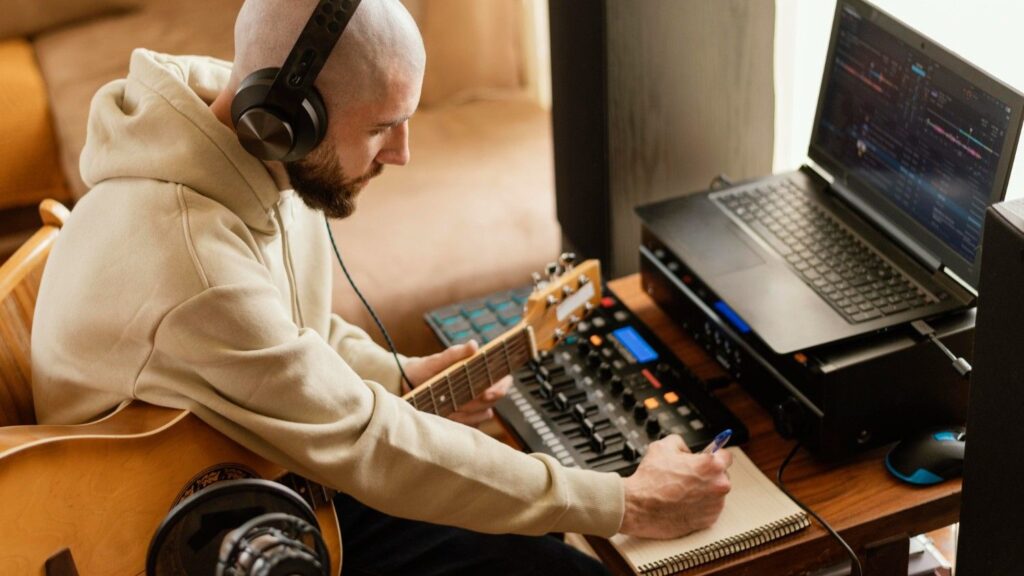
If you want to know how dubbing is done, here’s the full workflow:
- Content analysis
- Translation & script adaptation
- Voice casting (or AI voice selection)
- Recording in a dubbing studio
- Editing & mixing
- Quality assurance
- Final export in multiple languages
Creators who want to become dubbing artists should learn timing, pronunciation, mic technique, and emotive delivery.
Examples of Dubbed Podcasts & Audiobooks
- Spotify & Gimlet Media: multilingual podcasts
- Audible Originals: dubbed audiobooks in multiple countries
- Independent Podcasters: leveraging AI to dub episodes in minutes
This shows a shift toward multilingual-first content creation.
Do Audiobooks Have Sound Effects?
Modern audiobooks often include:
- Background music
- Ambient sound effects
- Dramatic audio cues
These elements enhance immersion—especially in fiction, thriller, and children’s audiobooks.
Is Dubbing Allowed on YouTube?
Yes. YouTube allows creators to upload multiple audio tracks in different languages. This makes dubbing allowed on YouTube and is one of the best ways to reach global audiences.
Human Dubbing vs AI Dubbing: A Comparison
| Feature | Human Dubbing | AI Dubbing |
| Accuracy | Very high, natural emotion | Improving rapidly |
| Cultural Sensitivity | Strong, human context | Needs human review |
| Speed | Slower, weeks per project | Very fast, minutes to hours |
| Cost | Higher investment | Budget-friendly |
| Best Use Cases | High-value fiction, premium projects | Podcasts, educational, scalable content |
Dubbing AI uses artificial intelligence to recreate translated audio quickly and affordably. AI dubbing has improved dramatically. AI can replicate tone, rhythm, and even voice style, though human supervision ensures cultural accuracy. The future will rely on hybrid dubbing models: AI for speed + humans for refinement.
Special Note: Dubbing vs Voice over in Podcasts
Many creators confuse dubbing with voice over for podcasts.
- Dubbing = Complete replacement of original audio
- Voice-over = Additional narration layered on top
For documentary-style podcasts, voice-over works well.
For storytelling, interviews, and education, full dubbing is preferred.
Examples of Dubbed Podcasts and Audiobooks
- Spotify & Gimlet Media – Released dubbed shows in multiple languages for Latin American and European audiences.
- Audible Originals – Tested dubbed versions of best-selling audiobooks in India, Germany, and Brazil.
- Independent Creators – Leveraging AI dubbing services platforms and professional dubbing services to grow across borders.
This shift shows a global-first mindset — creating content that transcends language barriers.
Future Trends: AI Dubbing in Audio Entertainment
Artificial Intelligence is transforming how dubbing is delivered.
Key Trends in AI Dubbing:
- Real-time Dubbing – Instant translation for live podcasts and webinars.
- Voice Cloning – Podcasters can “speak” in multiple languages using their own cloned voices.
- Affordable Scalability – Allowing indie creators to produce multilingual audio at low cost.
However, cultural nuances and emotional authenticity still require human expertise. The most effective solution lies in combining AI dubbing with professional dubbing services.
Conclusion
Dubbing is no longer optional — it is a strategic necessity for podcasters and audiobook creators. It ensures accessibility, expands reach, and boosts competitiveness in a crowded market. Dubbing is now a core strategy for podcasters, audiobook creators, and media companies. Whether through a professional dubbing studio or advanced AI dubbing tools, multilingual audio helps your content reach millions.
As AI-powered dubbing services evolve alongside human expertise, creators can produce scalable, emotionally engaging, and culturally sensitive multilingual audio.
At VerboLabs, we specialize in helping creators expand globally with a combination of expert dubbing services, transcription services, and localization expertise in 120+ languages. Whether you’re an indie podcaster or a major publisher, we ensure your voice resonates with audiences worldwide.
In today’s global audio revolution, dubbing transforms local voices into global conversations — one language at a time.

Ready to make your podcast or audiobook global? Partner with VerboLabs for professional dubbing services and reach listeners worldwide.
FAQs
Dubbing replaces the original voice with a translated version, while voice-over overlays a new voice on top. Dubbing feels more natural for immersive storytelling.
AI dubbing uses advanced algorithms to translate and recreate voices while preserving tone. It enables podcasters to launch multilingual versions quickly.
AI dubbing can take minutes to hours, while traditional human dubbing may require weeks.
Dubbing helps creators reach global audiences, increases accessibility, enhances engagement, and makes content culturally relevant.
They serve different purposes: transcription services provide written content, while dubbing creates immersive multilingual audio. Together, they maximize accessibility.
Train your voice for clarity, emotion, and control. Improve language skills, practice by recording different dialogues, gain studio experience, and create a strong demo reel. Share it with studios and agencies to get opportunities.
Dubbing in movies is done by first translating the script, then recording new dialogue by voice actors in a dubbing studio while matching lip movements, tone, and timing. Audio engineers sync the new voice track with the visuals, adjust sound effects and music, and finalize the mix to create a seamless, natural result.
Dubbing replaces the full voice track, while voice-over simply adds narration. Dubbing feels more natural for storytelling podcasts.