
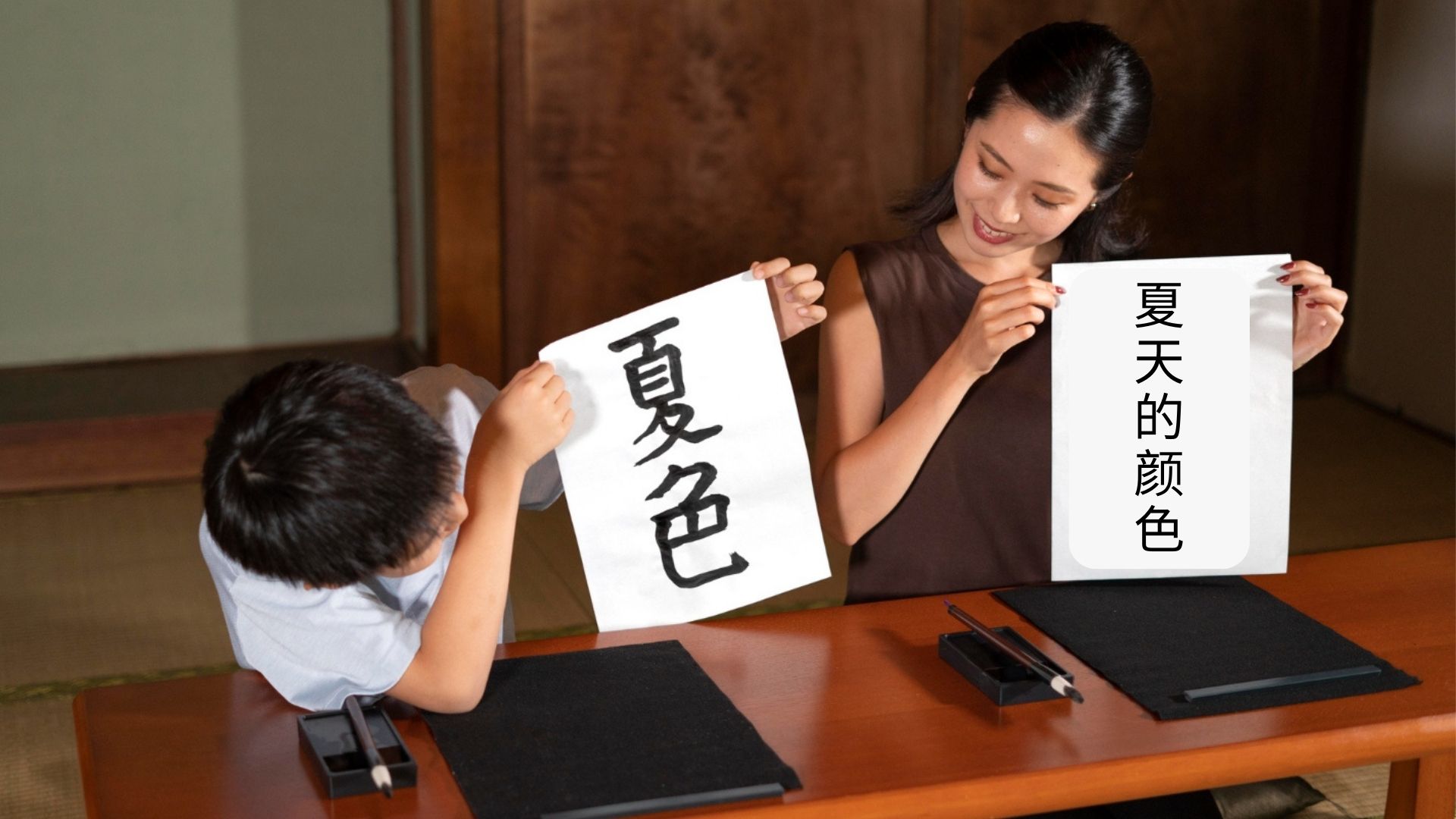
Chinese and Japanese are two of the most powerful languages in the world; these are the lingos of hundreds of millions and are interlaced with the history of great cultures. Even though they are alike at first, especially since they have some of the same characters, the reality of Chinese vs Japanese language differences shows that they are linguistically very distinct. Learners, travellers, and businesses, as well as translators, should understand the differences between Chinese and Japanese.
In the case of language learners, the choice of language between Chinese and Japanese may define years of learning. For businesses venturing into the East Asian markets, linguistic precision directly influences brand credibility, customer confidence, and legal regulations. To translators and content developers, understanding the way these languages work will mean that they are not only accurate but also effective in communication.
This is where professional language expertise becomes essential. VerboLabs facilitates international communication through highly qualified translation service, localization, subtitling, and linguistic consulting—helping organisations confidently navigate complex languages like Chinese and Japanese.
History and Cultural Heritage
Chinese is a member of the Sinitic language family, and its evolution has occurred over thousands of years. Chinese is one of the oldest known continuously spoken languages in the world, and it has a strong relationship with philosophy, governance, and literary and cultural identity in East Asia. Japanese, in its turn, evolved as a spoken language.
Although Japan had embraced the Chinese systems of writing centuries ago, the grammar and structure of the Japanese language were different. In the course of time, the Japanese modified the Chinese characters to become compatible with their language requirements to produce some kind of hybrid writing. Chinese and Japanese have distinct linguistic identities in spite of historical interaction and cultural exchange. This shared history often creates confusion, but understanding Chinese vs Japanese language differences is essential to recognising their independent linguistic identities.
Also read,
- How To Select The Ideal Chinese Dialect for Translation & Localization?
- Why Professional Translation from English to Japanese Matters?
- How Language Evolution Affected Translation Services?
A Significant Difference in Writing Systems

One of the clearest examples of Chinese vs Japanese language differences lies in how the two languages represent meaning through their writing systems.
Chinese Writing System
Hanzi are characters that are logograms in Chinese. Each character is symbolic of something or an idea and not a sound. Such a system is uniform in dialects – the same character may be read differently, yet will still convey the same meaning.
Japanese Writing System
Japanese uses a mixture of three scripts:
- Kanji (adapted Chinese characters)
- Hiragana (a phonetic script of grammar and native words)
- Katakana (emphasis and foreign loanwords)
This mixed system makes the Japanese writing more intricate and, at the same time, more versatile.
Impact on Translation
These differences in writing systems have a significant impact on the quality of translation and localization. Character substitution often leads to errors, making professional expertise essential for accurate adaptation. This is why working with a trusted translation and localization service ensures linguistic accuracy, cultural relevance, and consistency across markets.
Pronunciation & Tone
These pronunciation rules further highlight Chinese vs Japanese language differences, especially in spoken communication and audio-based content.
Chinese Pronunciation
Chinese is a tonal language; the sound or the tone which is applied in the pronunciation of a syllable completely changes its meaning. This renders the pronunciation as one of the most significant obstacles to learners and translators who have to deal with spoken materials.
Japanese Pronunciation
Japanese does not have the same tonality. Rather, it uses pitch accent, where a difference in stress can alter meaning, albeit not as much as Chinese tones.
Why This Matters
These differences are of particular importance to:
- Voiceovers
- Dubbing
- Training videos
- Audio customer-support materials.
Wrong intonation can make a difference or undermine credibility; hence, the need to use native speakers in the localization of spoken language.
Grammar—Structural Variations
The difference between Chinese and Japanese grammar is unquestionable and represents one of the most complex Chinese vs Japanese language differences for learners and translators.
Chinese Grammar
Chinese grammar is said to be structurally simpler:
- No verb conjugation
- No grammatical gender
- Minimal inflection
- Fixed word order
- Context is significant in the process of communicating meaning.
Japanese Grammar
Japanese grammar is more complicated:
- Extensive verb conjugation
- The use of particles to mark positions in the sentence.
- Markers of sentence endings that show politeness and emotion.
Such structural variations demand vastly different methods of translation, especially of formal, legal or instructional text.
Vocabulary: Loanwords and the Context
Japanese uses many loanwords, especially those of English, spelt in katakana. They are widely applied in the technologies, business and culture.
China has traditionally imported less English but is quickly modernising, most notably in technological and digital sectors. However, the borrowed words are usually modified in accordance with the Chinese phonetics and meaning systems.
Industry‑Specific Challenges
In sectors such as:
- Technology
- Medical
- Legal
- Financial services
Proper terminology is essential. Inappropriate use of words can result in a risk of misunderstanding or non-compliance, which is why professional translation is indispensable.
Intelligibility to each other – Are speakers intelligible to each other?
The obvious question in all discussions regarding language comparison is whether the users of a given language can comprehend the other language. The answer is negative. Chinese and Japanese do not mutually understand.
Though the characters (Kanji in Japanese and Hanzi in Chinese) can be shared, pronunciation, grammar, and meaning can be quite different. Such visual similarity, in fact, can add to the risk of misunderstanding, not to say that it clarifies.
This strengthens the significance of treating these languages as completely different systems in business and for a translator.
Challenges in Translation & Localization
Chinese-to-Japanese translation has a number of issues:
- Mature characters and subtle meanings.
- Cultural context and idioms
- Limitations of automated translation.
Machine-translation systems have several problems with context, tone, idiomatic expressions, and industry-specific language, and this may introduce errors that seem minor but still have a huge influence on the meaning. The human translation is done professionally, which guarantees clarity, cultural precision and consistency, especially when dealing with high-stakes materials.
VerboLabs supports the language services of Chinese and Japanese.

VerboLabs offers a complete translation and localization service designed to support effective international communication across diverse languages and markets.
Translation & Localization
- Documents
- Websites
- Marketing materials
- Legal and compliance texts
Subtitling & Voiceover
Correct adaptation of spoken material and native pronunciation, as well as cultural significance.
Cultural Consulting
Messaging is guaranteed to be consistent with local expectations, values, and communication styles.
Quality Assurance
Expert multi-layered QA processes, native linguists, and industry experts promote precision and reliability.
Tips for Beginners
- Begin with the basics of pronunciation.
- Study the cultural background and the language.
- Train professional knowledge to limit initial errors.
The linguistic knowledge of VerboLabs is also useful to the learners and organisations through the provision of accurate translation and cultural understanding.
Conclusion
To communicate efficiently and effectively, understanding the key differences between Japanese and Chinese is essential. From their writing systems, pronunciations, grammar, and cultural nuances, both languages are very complex and require special expertise and consideration when localizing into each respective market.
To communicate efficiently and effectively, understanding Chinese vs Japanese language differences is essential for learners, businesses, and global organisations.
Accelerate global engagement with expert Chinese & Japanese language support from VerboLabs.

Take your Chinese & Japanese content global with VerboLabs—accurate translation, cultural clarity, real impact.
Frequently Asked Questions (FAQs)
No. Chinese and Japanese are distinct languages with different grammar, pronunciation, and writing systems. While they share some characters visually, they are not mutually intelligible.
Difficulty varies by learner background, but many find Chinese tones challenging, while Japanese grammar and multiple writing systems pose different challenges. Personal goals affect the perception of difficulty.
Yes — Japanese uses Kanji (derived from Chinese characters), but meanings and usage can differ. Understanding context is essential for accurate translation.
Chinese is tonal (tone changes meaning). Japanese is not tonal in the same way but uses pitch accent, which affects pronunciation nuances.
Automated tools help with basic understanding, but they often miss cultural context, idioms, and nuanced meanings. Professional translation delivers better clarity and accuracy.
Japanese uses three systems: Kanji (characters), Hiragana (syllabary), and Katakana (loanwords), which makes it distinct from the Chinese logographic Hanzi system.
VerboLabs provides expert translation, localization, subtitling, and voiceover services with native linguists, as well as cultural adaptation to support global communication.