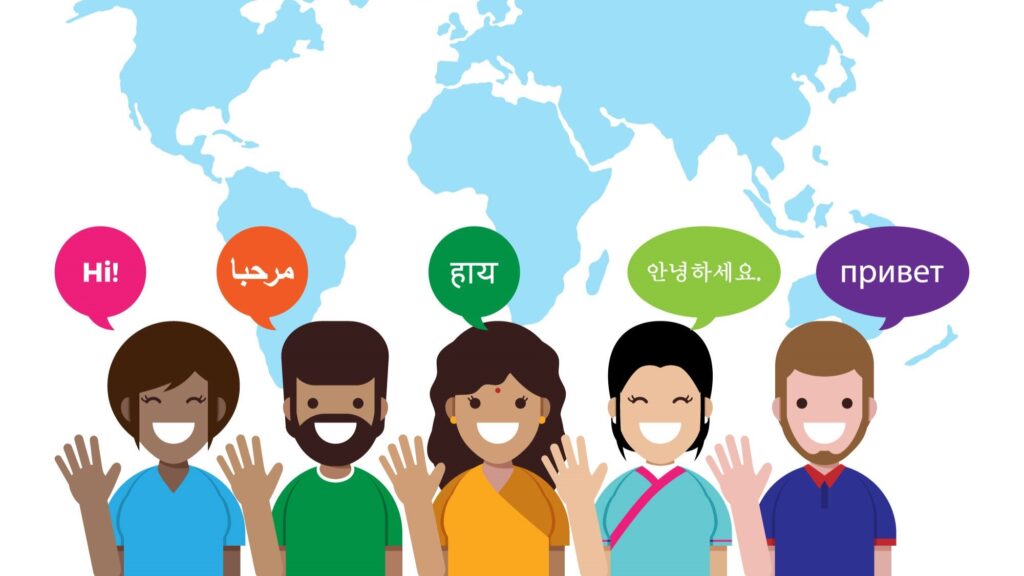

E-commerce websites are growing fast in 2026—but the biggest winners aren’t just selling online; they’re selling locally worldwide. As U.S. brands expand into a borderless digital economy, website localization has become the key driver of global conversion, trust, and discoverability.
Global retail e-commerce sales are projected to approach $8 trillion in the coming years, and cross-border shopping continues to surge. Yet most online shoppers still prefer to browse and buy in their own language and currency. That’s why website localization is no longer optional—it’s foundational for scalable e-commerce growth.
Translation vs. Localization — What’s the Difference?
Many businesses confuse translation with localization, but they’re not the same:
- Translation: Converting text from one language to another while keeping the original meaning intact.
- Localization: Adapting language, currency (USD, EUR, etc.), payment methods (such as Apple Pay, Klarna, or local wallets), measurements (imperial vs. metric), compliance disclosures, cultural references, and SEO keywords to match a specific target market.
Think of translation as changing the language, and localization as making it feel like it was built for them in the first place.
Why Localization Matters in E-Commerce
Localization is crucial anywhere you want to sell — and here’s where it makes the biggest impact:
- International Reach – By offering localized versions of your website, you open your store to entire markets that might otherwise never engage. For example, shoppers in Germany expect pricing in EUR, GDPR-compliant messaging, and locally preferred payment methods, while U.S. shoppers prioritize fast shipping estimates, clear return policies, and familiar wallets like Apple Pay or PayPal.
- Revenue Growth – The more comfortable customers feel, the more likely they are to buy. Industry research consistently shows that localized websites significantly outperform non-localized versions in engagement, time-on-site, and conversion rates — especially in cross-border markets.
- Brand Trust & Recognition – A localized e-commerce experience tells customers, “We understand you”. This emotional connection turns first-time buyers into loyal brand advocates.
VerboLabs Services are Beneficial for
VerboLabs specializes in translation and localization services for businesses that:
- Run e-commerce platforms and want to expand globally
- Have multi-language customer bases and need accurate, culturally adapted content
- Require SEO-friendly localization to boost search visibility in new markets
- Operate in industries like fashion, electronics, home goods, SaaS, and marketplaces
How VerboLabs Helps You Win the Localization Game

At VerboLabs, we don’t just translate — we transform your e-commerce store into a native experience for every market you target.
Why choose VerboLabs for Website Localization?
- Proven Experience
We’ve localized hundreds of e-commerce sites, helping brands scale in Asia, Europe, the Middle East, and beyond. - Native Linguists & Industry Experts
Our translators are native speakers with deep knowledge of cultural nuances and industry-specific terms. - Technical Localization Expertise
We handle complex CMS integrations, multilingual SEO optimization, right-to-left (RTL) language formatting, and localized payment gateway setups. - Rigorous Quality Assurance
Every project undergoes a two-step proofreading and quality check process to ensure flawless output before launch.
Real-World Example
Imagine you run an e-commerce store in the US selling beauty products. Without localization, your French customers see prices in USD, shipping details in English, and imperial measurement units. With VerboLabs:
- Prices show in EUR
- Product descriptions are in French with local beauty terminology
- Shipping info matches French postal systems and expectations
The result? Higher trust, better conversions, and stronger repeat business.
E-Commerce in 2026 — The Localization Advantage
In a 2026 e-commerce landscape shaped by AI-driven search, global marketplaces, and rising customer expectations, localization is no longer a differentiator — it’s a baseline requirement. Brands that fail to localize risk losing visibility in AI Overviews, voice search results, global marketplaces, and region-specific search engines, increasingly powered by generative AI.
With VerboLabs, you can:
- Tap into emerging markets without language or cultural barriers
- Improve customer retention with tailored shopping experiences
- Boost your SEO rankings in each target market through localized keywords and metadata
Conclusion
E-commerce growth in 2026 isn’t just about driving more traffic—it’s about delivering locally relevant experiences at a global scale. Translation communicates your message, but localization removes friction, builds trust, and directly impacts conversion performance across markets.
As AI-driven discovery, voice commerce, and cross-border shopping continue to accelerate, U.S. brands that invest in high-quality website localization will gain a measurable competitive edge. Those who don’t risk becoming invisible in increasingly personalized search environments.
If your goal is sustainable global growth, localization is no longer a nice-to-have—it’s core infrastructure. With the right localization partner, your e-commerce store won’t just reach new markets—it will resonate, convert, and scale in them.

Expand your e-commerce store globally with expert localization.
FAQs
Website localization improves conversion rates by making the shopping experience feel familiar and trustworthy to local buyers. When customers see pricing in their currency, culturally relevant messaging, and preferred payment options, they face fewer purchase barriers and are more likely to complete checkout.
The first step is market prioritization based on traffic data, demand signals, and shipping feasibility. U.S. brands should analyze where international visitors already come from, then localize high-impact elements like product pages, checkout, currency, and SEO metadata for those markets.
Yes. AI Overviews and voice assistants prioritize regionally relevant, intent-matched content. Proper localization—including hreflang tags, local keywords, and culturally adapted content—helps your store appear in conversational search results and voice-driven product queries.
Most U.S. brands start with one to three high-opportunity markets rather than translating into many languages at once. Prioritizing markets like Canada (French), Germany, or Spanish-speaking regions allows brands to validate ROI before scaling localization further.
Platforms like Shopify provide basic multi-language and multi-currency features, but true localization requires human optimization. Elements like cultural nuance, local SEO, compliance messaging, and conversion psychology still need expert review for best results.
Start with high-revenue and high-traffic pages: homepage, product pages, category pages, checkout flow, and key support content. Localizing these areas first typically delivers the fastest ROI before expanding to blogs, FAQs, and long-tail content.
Timelines vary based on catalog size and technical complexity. A focused market launch can take a few weeks, while full multi-market localization may take several months. Many brands use a phased rollout to start generating international revenue faster.