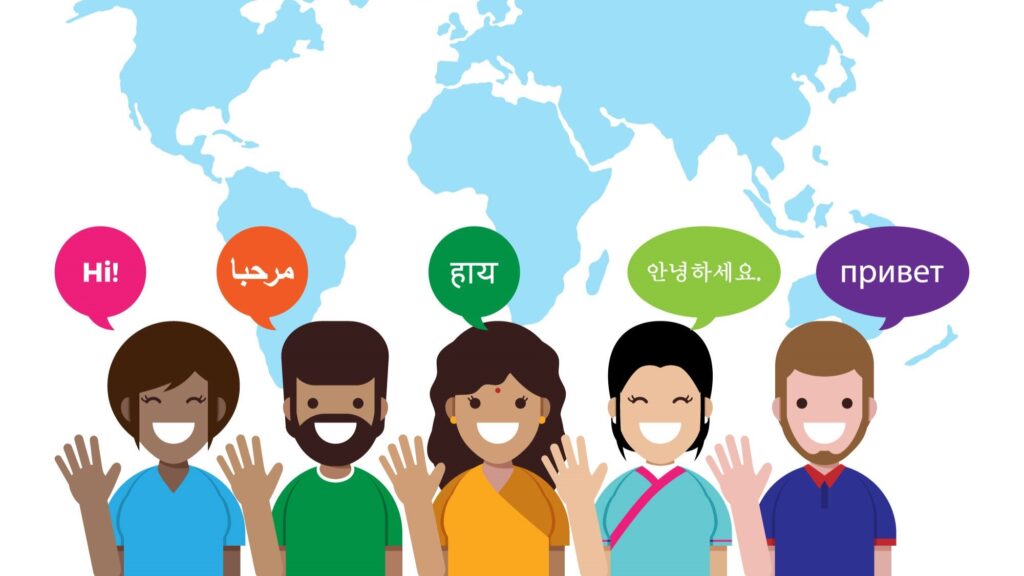

Organizations around the world need effective communication skills to operate in different languages. Organizations seeking to enter the Indian market or connect with Hindi speakers worldwide need Professional English to Hindi translation services most. The translation process between English and Hindi needs specialized human translators because it includes many hidden complexities.
The Unique Challenges of English-Hindi Translation

English and Hindi come from separate language families, making it hard for translators to convert between them. One language cannot directly follow the rules of another because their fundamental principles of sentence construction and ideas differ greatly.
Hindi sentences follow a Subject-Object-Verb pattern, but English uses a Subject-Verb-Object structure. Translators need to rebuild sentences from scratch because word-for-word replacement is not possible. In English, when Rahul reads a book, the exact phrase translates to “राहुल एक किताब पढ़ता है” (Rahul ek kitaab padhta hai).
Additionally, Hindi features grammatical gender for nouns, a concept absent in English. The grammatical gender of each Hindi noun determines how verbs and adjectives must change throughout the sentence. Professional translators handle gender agreements naturally, but automated translation systems have trouble with this aspect.
Cultural Norms Beyond Literal Translation
Translating between English and Hindi proves most difficult when dealing with cultural specificities and local expressions. Language links directly to how a culture lives through its background knowledge.
Anyone who hesitates to speak directly about something uses the English expression “beating around the bush” in everyday speech. A word-for-word Hindi translation would not make sense. A professional translator would use “बात को घुमा-फिराकर कहना” to express the real idea behind the phrase.
Professional translators need to understand and properly handle faith-based materials. The many cultures in India make some phrases carry religious or cultural meanings that translators without local knowledge may miss. Specialized translators change content based on cultural considerations while staying true to the message’s meaning.
Also read:
- Top 10 Best Language Translation Services In USA
- How to Choose the Right Translation Service Provider: A Complete Guide
- Top 10 Translation Companies in India
Industry-Specific Terminology and Precision
Each business sector needs translators who know specialized vocabulary beyond basic language skills. Documents in law, medicine, technology, and finance need specific language terms because accuracy matters most.
Medical document translation requires translators to understand English and Hindi terms for body parts, drugs, and medical procedures. Medical and patient care outcomes depend heavily on accurate translations of these documents. To translate legal documents properly, you need experience working with both Indian and foreign legal systems and their unique legal terms.
Basic business documents often include industry words that need someone with special skills to correctly interpret them. Specialized translators focus on one particular field to sustain needed precision throughout their work.
The Limitations of Machine Translation
Modern translation technology shows limited success in converting English to Hindi texts. These systems deliver better results when working with similar languages or when they have enough training data from extensively translated language pairs.
Hindi texts are translated by machines in ways that are grammatically proper yet hard to read naturally. The automated systems have trouble processing unclear text, idioms, and cultural references. These systems assist well with basic text, but they cannot understand complex business communications, authentic writing, or detailed specialized information.
AI technology struggles to keep track of information from start to end of large written materials, which results in it using unpredictable words that miss underlying relationships between ideas. Human translators maintain language standards even between big documents, online platforms, and marketing materials.
The Business Cost of Poor Translation
Companies usually do not understand how much poor translation affects their bottom line.
Poor translation has direct harmful effects that can affect brand standing, lead to legal problems, and drive customers away.
Materials that read poorly in Hindi will not connect with the target market and could accidentally offend cultural values. Documents with translation mistakes may not work in court and lead to unclear contracts that bring major financial risks.
Companies that want to succeed in India need professional content translation to show their customers proper respect for the local language and culture. Professional translators focus on language precision to ensure customers trust and believe in their services. Automatic translations do not reach these levels of trust.
Here are the key qualities to find in professional English-Hindi translation services

Organizations should focus on these key factors when they need professional translation services.
- Native Hindi translators deliver authentic and cultural accurate work in their native language.
- Translators who work in specific industries know both specialized terms and industry-specific situations.
- Professional translators enhance content to fit the target culture after translating from English to Hindi.
- Professional services use editors and proofreaders to check and correct all final work.
- Localization skills: Adapting content to specific regional Hindi dialects and cultural preferences when necessary.
Conclusion
To translate from English to Hindi, you need more than just vocabulary knowledge. You must also understand both cultures, the language structure, and industry details. Literally automated tools work well but do not duplicate what professional translators know.
Those who want to create effective communication with Hindi-speaking audiences should understand that professional translation costs align with building better business relationships and market reach. Expertise becomes necessary when dealing with cross-cultural communication because it handles the many complexities involved.

Ensure accuracy and cultural authenticity—Hire expert English to Hindi translators today.